15 Assisted Living Meal Ideas for Comfort and Variety
Discover 15 nutritious assisted living meal ideas that bring comfort and variety to senior dining. Delicious options for every taste!
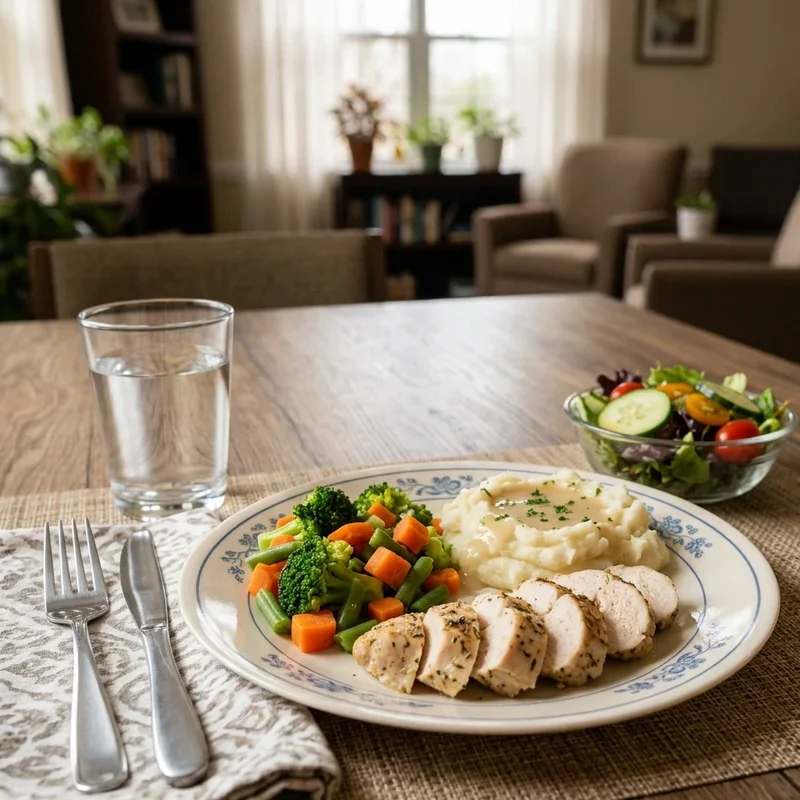
Mealtime in assisted living communities represents far more than simple nutrition delivery: it creates daily opportunities for connection, comfort, and the familiar pleasures that make life worth savoring. Seniors deserve meals that honor their sophisticated palates, respect their nutritional requirements, and remind them of beloved flavors accumulated across lifetimes of eating experiences. The challenge lies in balancing dietary restrictions, texture modifications, and health considerations while still producing food that residents genuinely anticipate and enjoy consuming. Nobody wants to feel like their declining independence means accepting bland, institutional food that ignores decades of culinary preferences developed throughout full lives. Quality assisted living dining programs understand that meals anchor daily routines, providing structure and pleasure that support overall wellbeing beyond mere caloric requirements. Ready to explore fifteen meal ideas that deliver both the comfort seniors crave and the nutritional variety their bodies require? These concepts transform assisted living dining into genuine culinary experiences.
1. Classic Pot Roast Dinner
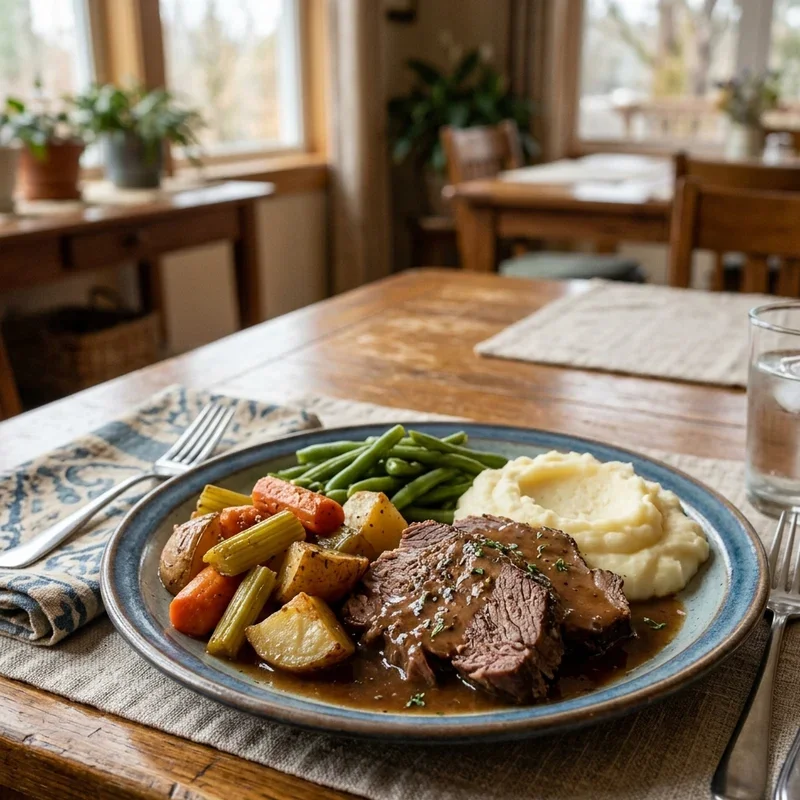
Few meals evoke home, family, and comfort quite like a properly prepared pot roast that falls apart at the gentlest fork touch. This classic delivers tender protein that seniors with dental challenges can manage easily while providing iron, zinc, and B vitamins essential for maintaining energy and cognitive function. Slow cooking transforms economical beef cuts into melt-in-mouth textures while root vegetables like carrots, potatoes, and onions absorb savory juices throughout extended cooking times. The familiar aroma of roasting beef triggers appetite in residents who sometimes struggle with diminished smell and taste sensations affecting their eating enthusiasm. Serve with smooth mashed potatoes or soft dinner rolls that complement the tender meat and vegetable combination perfectly. This one-pot meal simplifies kitchen operations while delivering maximum comfort impact that residents associate with family Sunday dinners. Your pot roast connects present meals with cherished memories of home cooking past.
2. Baked Salmon with Vegetables
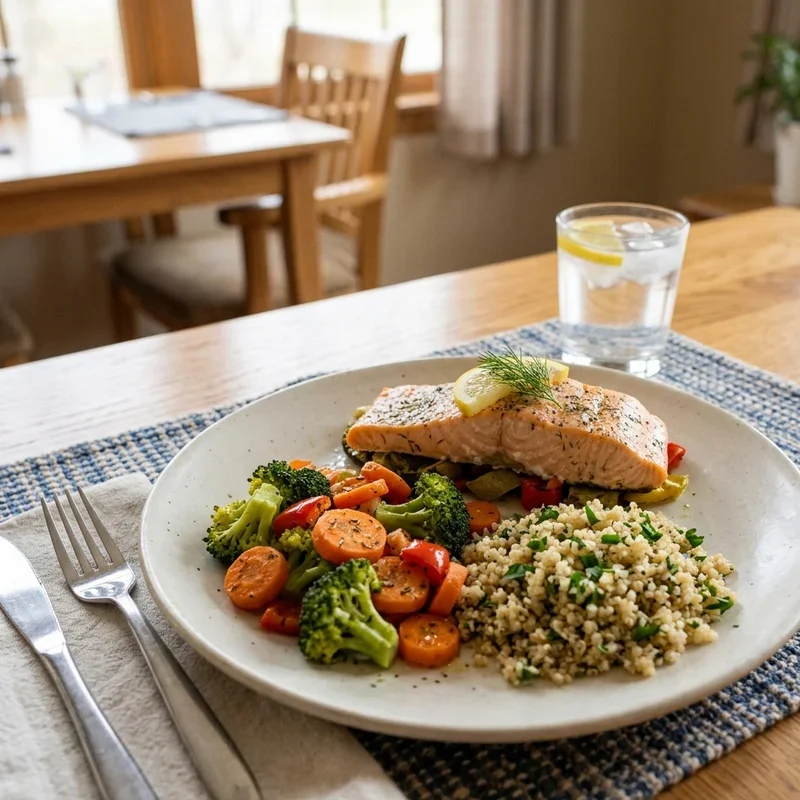
Deliver heart-healthy omega-3 fatty acids through baked salmon that supports cardiovascular health, cognitive function, and the anti-inflammatory benefits seniors particularly need. Salmon's natural oils keep flesh moist during cooking, creating tender textures that accommodate various chewing ability levels without becoming dry or difficult. Bake with lemon, dill, and light butter for familiar flavors that most residents recognize and appreciate from their own cooking histories. Pair with steamed vegetables like asparagus, green beans, or broccoli prepared soft enough for easy consumption without losing nutritional value. The fish provides complete protein supporting muscle maintenance that becomes increasingly important as aging bodies lose mass more quickly. This meal presents beautifully on plates, creating visual appeal that stimulates appetite before the first bite even reaches the mouth. Your baked salmon elevates assisted living dining toward restaurant-quality experiences residents deserve.
3. Homestyle Chicken Soup
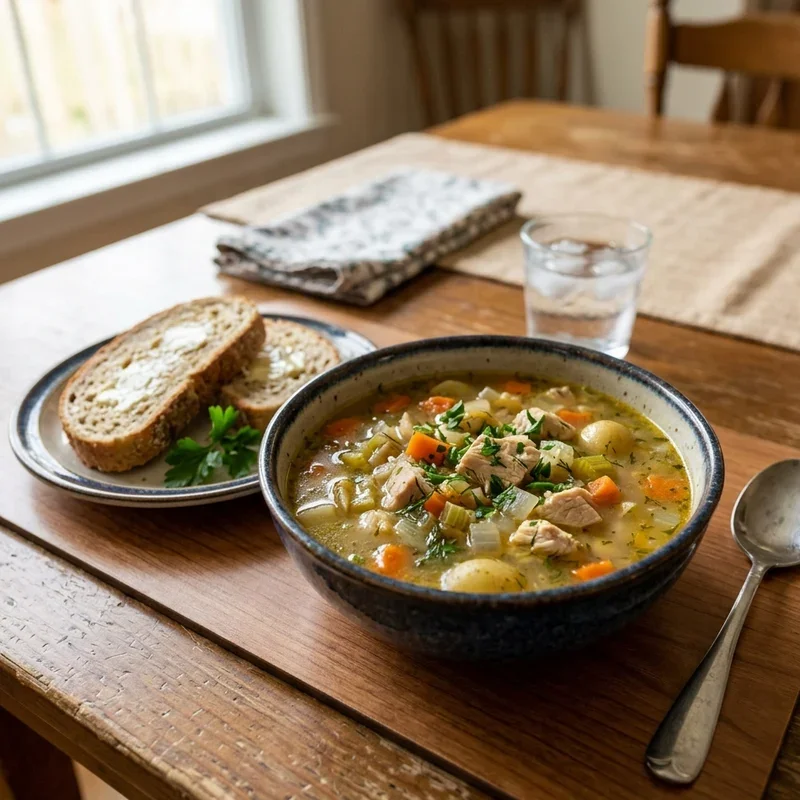
Serve comfort in a bowl through chicken soup that soothes souls while delivering hydration, protein, and vegetables in easy-to-consume liquid form. This universally beloved dish accommodates various dietary needs and texture requirements by adjusting vegetable sizes and pasta or rice additions accordingly. The warm broth encourages fluid intake that many seniors neglect, preventing dehydration that contributes to confusion, weakness, and other complications. Soft-cooked vegetables like carrots, celery, and peas provide vitamins while tender chicken pieces deliver protein without requiring extensive chewing effort. Make stock from scratch when possible, building depth of flavor that canned alternatives cannot match despite their convenience. Residents often request soup during illness or simply on days when heavier foods feel overwhelming to their digestive systems. Your homestyle chicken soup demonstrates that simple foods, prepared with care, often deliver the greatest comfort to appreciative residents.
4. Turkey Meatloaf Comfort
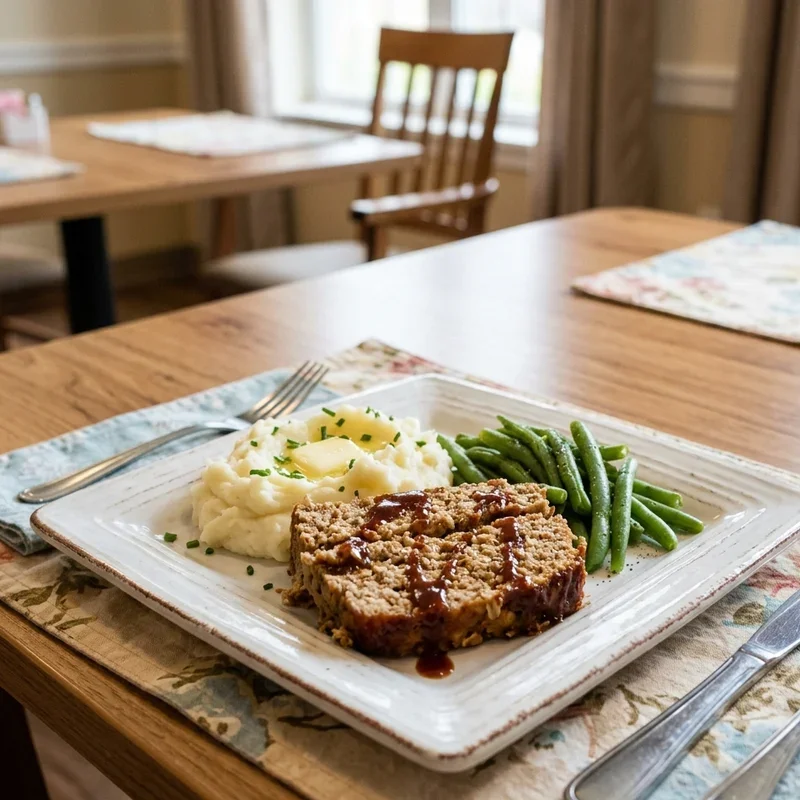
Update the classic meatloaf by substituting lean turkey that reduces fat content while maintaining the familiar texture and flavor profile seniors remember fondly. Turkey meatloaf provides substantial protein in soft, easily manageable portions that even residents with significant chewing difficulties can enjoy successfully. Add finely minced vegetables like onions, carrots, and bell peppers that cook invisible into the meat mixture, boosting nutrition without altering expected textures. Top with tomato-based glaze that adds moisture and familiar flavor notes connecting this version with traditional beef meatloaves residents grew up eating. Serve alongside mashed potatoes and gravy that transform individual components into cohesive comfort meals satisfying both hunger and emotional needs. The sliceable format allows precise portion control while the reheating capacity makes turkey meatloaf excellent for facilities managing varied dining schedules. Your turkey meatloaf proves that healthier substitutions need not sacrifice the comfort that makes certain meals so beloved.
5. Creamy Pasta Primavera
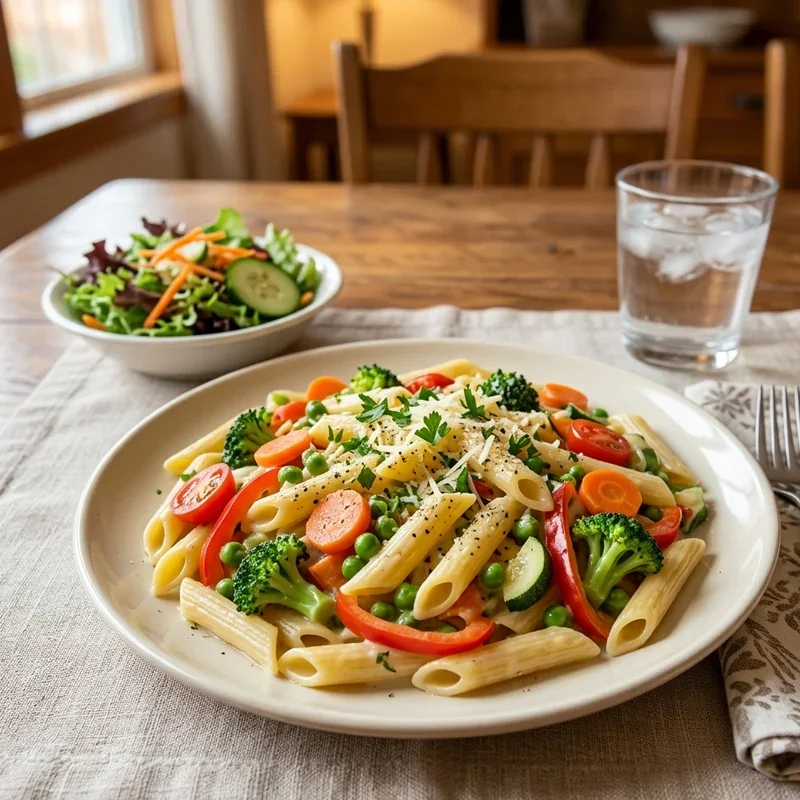
Paint plates with colorful vegetables tossed through creamy pasta that delivers carbohydrate energy alongside diverse vitamins seniors need for optimal function. Soft-cooked vegetables like zucchini, bell peppers, tomatoes, and spinach provide visual appeal and nutritional variety without creating texture challenges. The cream sauce ensures moisture throughout, preventing the dry pasta experiences that can create swallowing difficulties for some residents. Cook pasta slightly beyond al dente for easier chewing while maintaining enough structure to hold sauce effectively throughout the meal. This vegetarian option accommodates residents avoiding meat while still providing satisfying, filling meals they anticipate happily. The vibrant vegetable colors stimulate appetites that monochromatic meals sometimes fail to excite sufficiently before eating begins. Your pasta primavera celebrates vegetables through preparations that make nutritional compliance feel like indulgence rather than obligation.
6. Shepherd's Pie Tradition
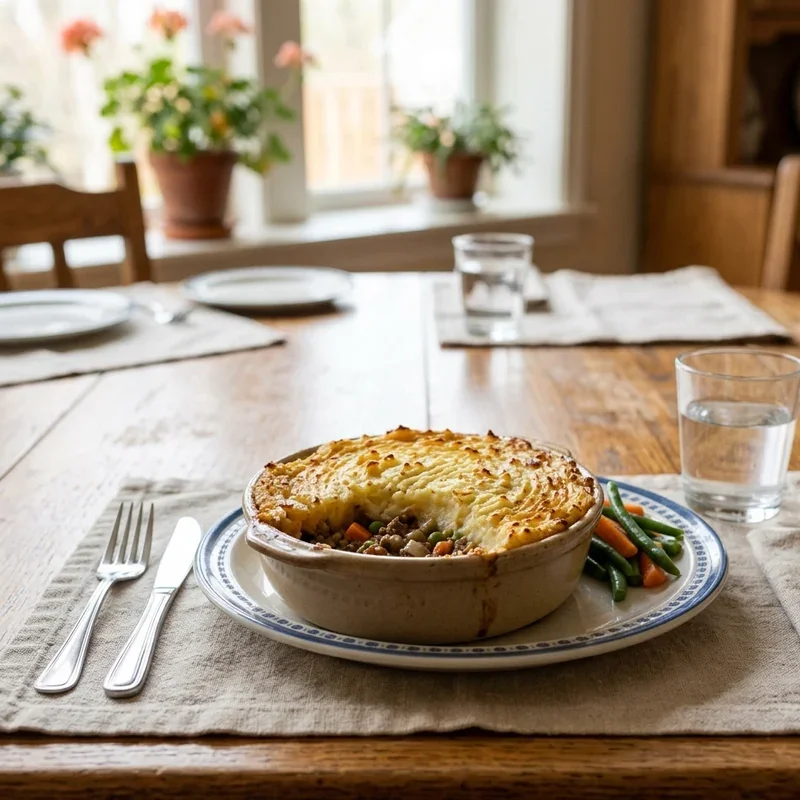
Layer seasoned ground meat beneath smooth mashed potato crowns for one-dish comfort that combines protein, vegetables, and carbohydrates harmoniously. This British-American classic resonates with many seniors who enjoyed similar casseroles throughout their lives, triggering positive memories alongside satisfying tastes. Use lean ground beef or lamb cooked with peas, carrots, and onions in savory gravy that creates moist, flavorful base layers beneath potato toppings. The mashed potato cap browns slightly during baking, adding visual appeal and textural contrast against the soft filling below. The all-in-one format simplifies serving while ensuring residents receive balanced nutrition through single dishes they consume completely. Shepherd's pie travels well from kitchen to dining room, maintaining proper temperatures throughout service periods. Your shepherd's pie embodies the comfort casserole tradition that assisted living dining should celebrate.
7. Baked Tilapia with Rice
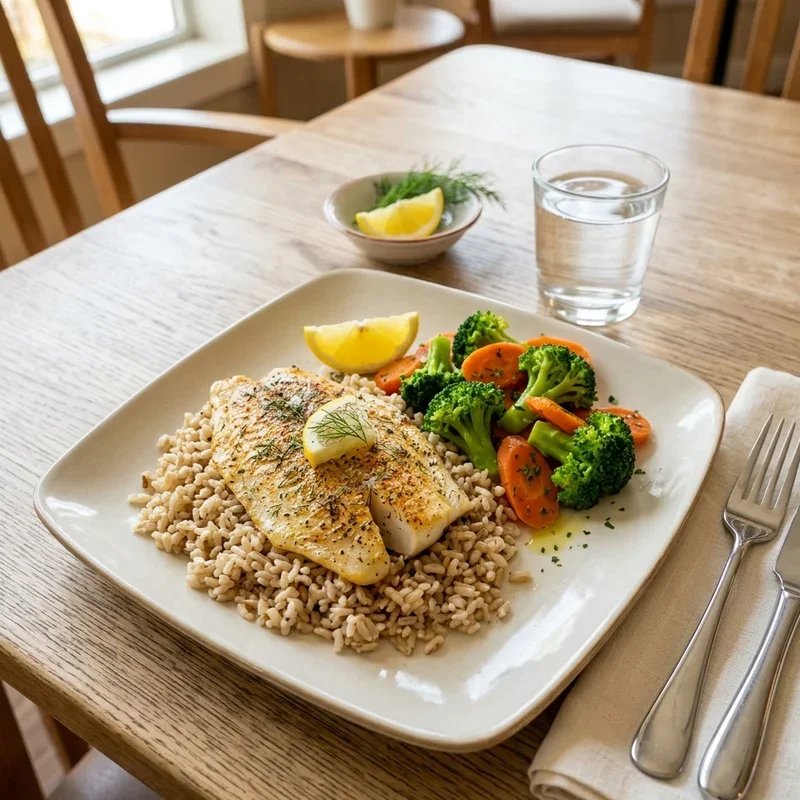
Offer mild white fish that appeals to residents who prefer lighter fare without the stronger flavors some seafood varieties present. Tilapia bakes quickly, emerging tender and flaky with textures that seniors with chewing limitations can manage successfully. Season simply with herbs, lemon, and light butter that enhance natural flavors without overwhelming delicate palates or triggering sensitivities. The lean protein supports muscle maintenance while the low fat content suits residents managing cardiovascular health through dietary modifications. Serve alongside fluffy rice that absorbs any pan juices, extending flavors throughout the plate while providing easy-to-digest carbohydrates. Add a soft vegetable like steamed spinach or tender green beans for color and nutritional completeness. Your baked tilapia demonstrates that assisted living menus can offer variety beyond repetitive chicken and beef rotations.
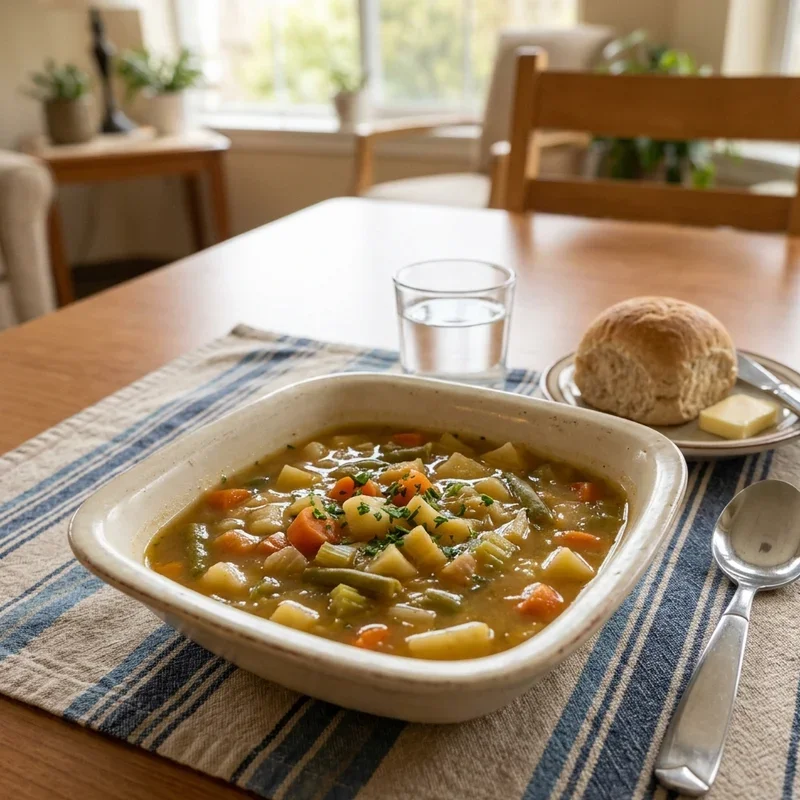
8. Soft Vegetable Stew
Create hearty vegetable stews that deliver fiber, vitamins, and satisfying warmth through preparations requiring minimal chewing effort. Slow cook root vegetables like potatoes, carrots, parsnips, and turnips until they yield easily to gentle fork pressure. Add protein through white beans or tender chicken pieces that boost nutritional profiles while maintaining the soft textures that define this accessible dish. Rich broth bases ensure adequate moisture while contributing savory depths that vegetables alone sometimes lack sufficiently. This vegetarian-adaptable option accommodates various dietary restrictions while still feeling substantial enough for residents accustomed to meat-centered meals. The stew format allows precise texture modification: continue cooking for softer results, or serve slightly earlier for residents tolerating more structure. Your vegetable stew proves that meatless meals can satisfy even the heartiest appetites when prepared thoughtfully.
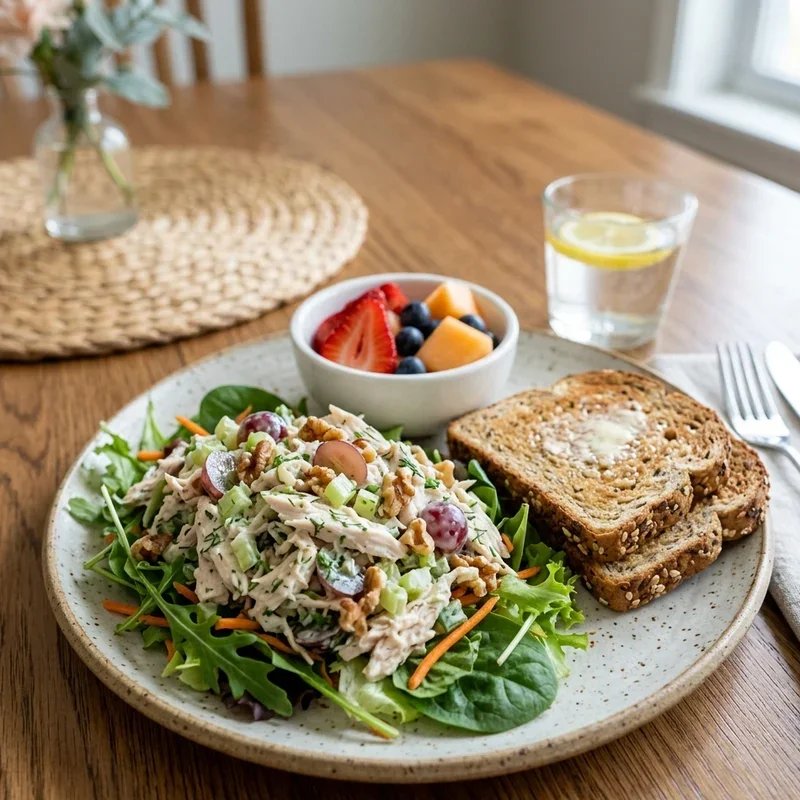
9. Chicken Salad Variations
Prepare classic chicken salad with enough mayonnaise moisture to create tender textures that spread easily on soft bread or crackers. This versatile preparation adapts for various flavor preferences: add grapes and walnuts for Waldorf style, curry powder for exotic flair, or keep traditional with celery and herbs. The cold preparation offers refreshing alternatives during warm weather when hot meals feel less appealing to residents whose appetite fluctuates seasonally. Finely dice or shred chicken to accommodate residents requiring smaller pieces while maintaining recognizable chicken salad character. Serve on croissants, soft white bread, or alongside crackers and vegetable accompaniments for complete meal presentations. Chicken salad prepares quickly, stores well, and provides reliable protein that lunchtime menus often lack sufficiently. Your chicken salad variations keep familiar concepts interesting through flavor modifications that surprise without overwhelming.
10. Breakfast for Dinner Option
Break routine monotony by serving breakfast foods at dinner, a format many residents remember fondly from their own family traditions. Scrambled eggs provide soft protein that virtually all residents can consume regardless of chewing ability, while pancakes or French toast add comforting carbohydrates. Include turkey sausage or bacon for residents without pork restrictions who enjoy these familiar breakfast proteins alongside egg preparations. The nostalgic quality of breakfast-for-dinner triggers positive emotional responses that sometimes encourage eating among residents with decreased appetites. This meal format typically proves popular when offered monthly, providing anticipated variety that residents discuss and request. The preparation simplicity benefits kitchen operations while the universal appeal reduces food waste from rejected meals. Your breakfast dinner demonstrates that variety sometimes means reimagining when, not just what, familiar foods appear on menus.

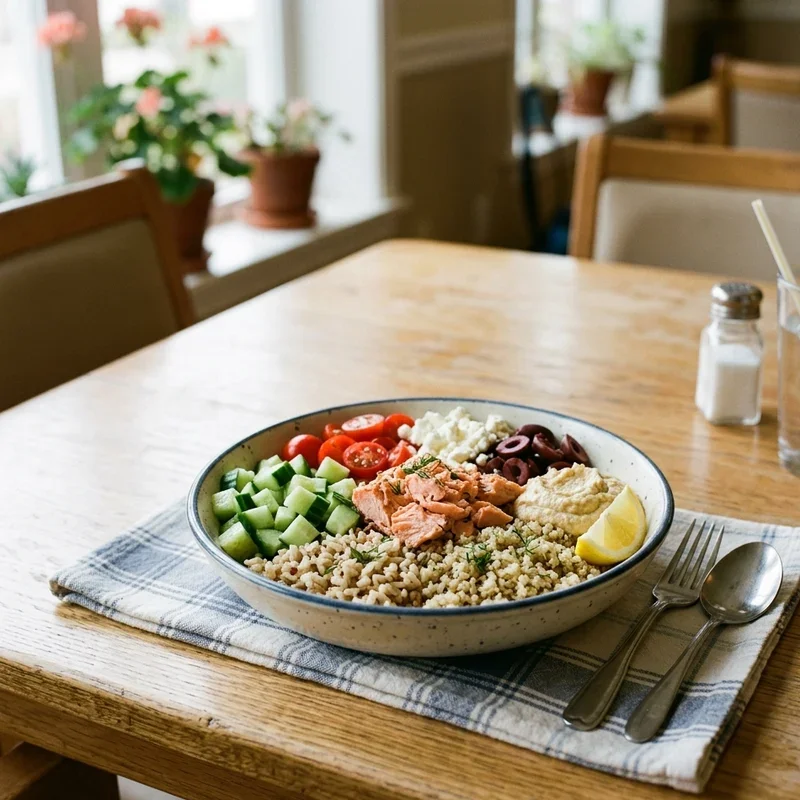
11. Mediterranean Grain Bowl
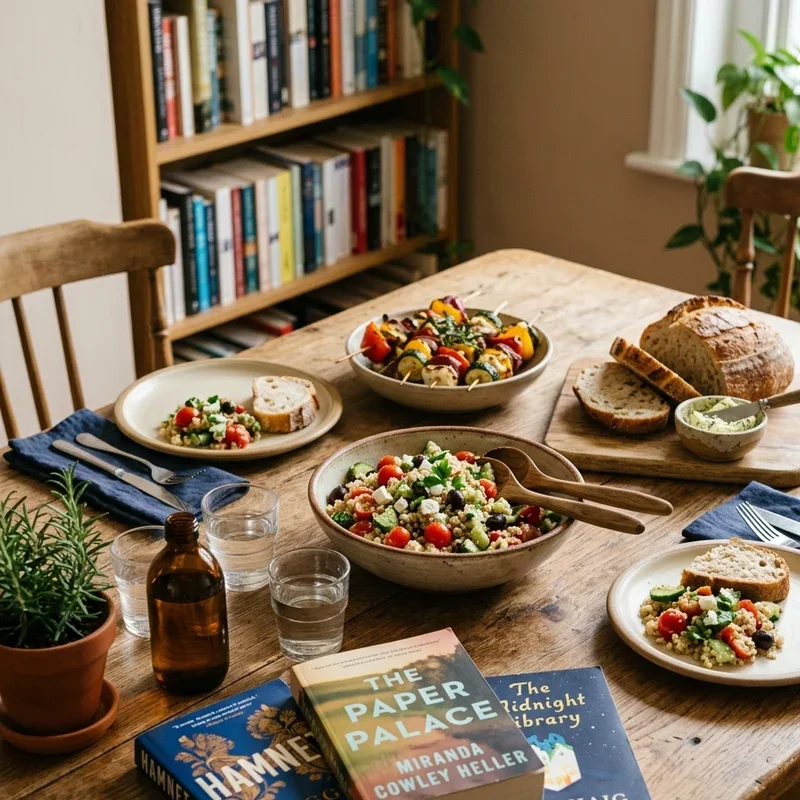
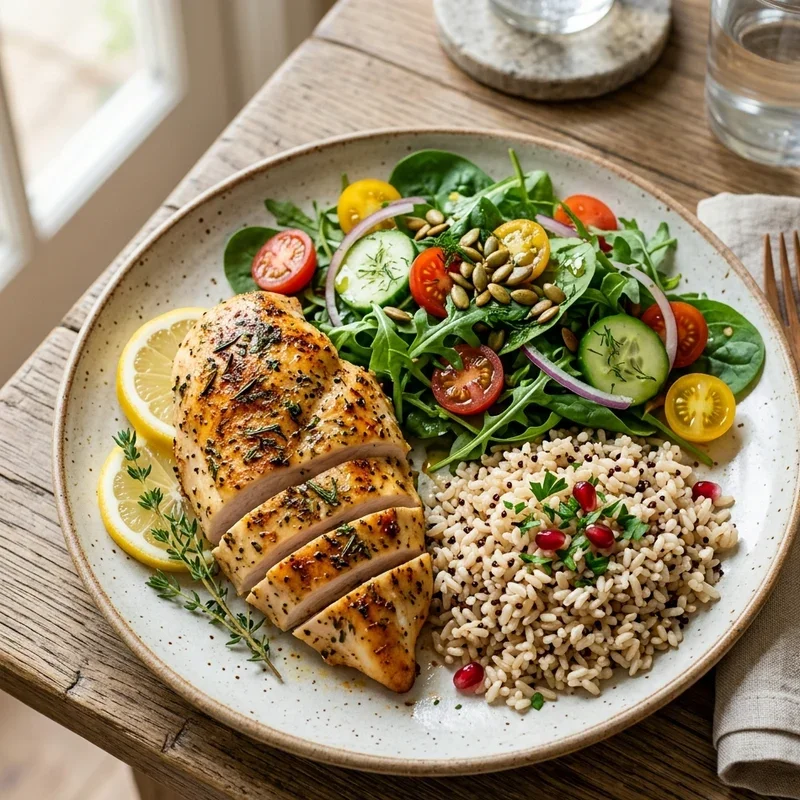
Introduce gentle culinary exploration through Mediterranean bowls combining grains, vegetables, lean proteins, and olive oil in heart-healthy compositions. Build bases with soft cooked quinoa or farro that provide whole grain nutrition while remaining tender enough for easy consumption. Top with grilled chicken, cucumber, tomatoes, olives, and feta cheese for flavor profiles that feel special without venturing into unfamiliar territory. Drizzle with olive oil and lemon for dressing that delivers healthy fats while maintaining moisture throughout the eating experience. This bowl format allows customization where residents select preferred components from available options, increasing consumption through personal choice involvement. The Mediterranean dietary pattern supports cardiovascular health, cognitive function, and longevity through proven nutritional science that benefits senior populations specifically. Your Mediterranean bowl expands palate horizons while delivering nutrition through internationally-inspired preparations.
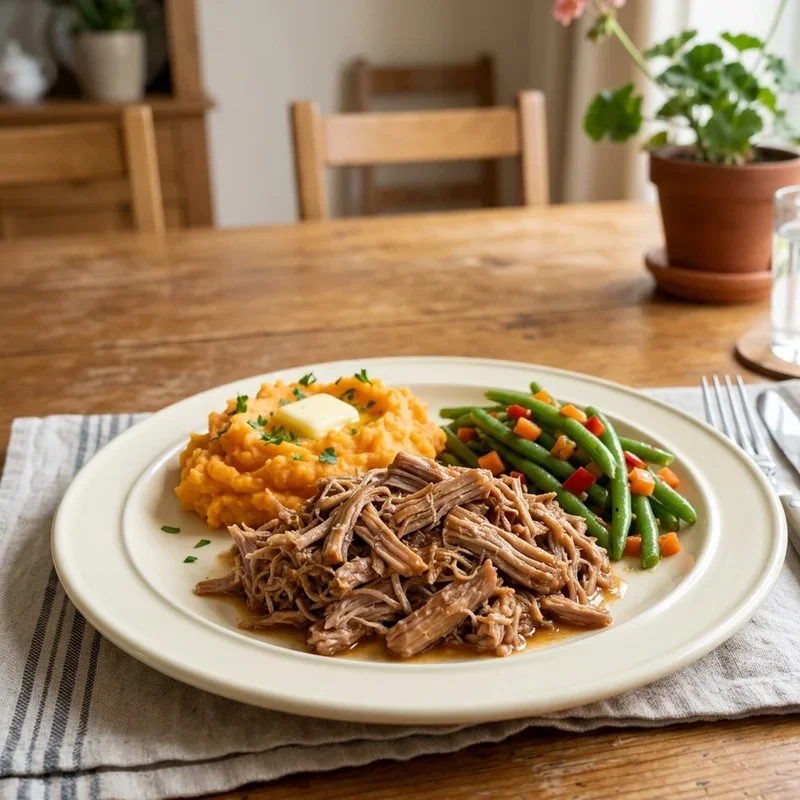
12. Tender Pulled Pork
Slow cook pork shoulder until fibers separate easily, creating tender shreds that even residents with significant chewing limitations consume successfully. The extended cooking transforms tougher cuts into melt-in-mouth textures impossible to achieve through faster methods. Season with barbecue sauce, Carolina vinegar style, or simple herbs depending on resident preferences and regional culinary traditions. Serve on soft buns that create familiar sandwich experiences, or alongside mashed potatoes and coleslaw for plated presentations. The rich flavor satisfies appetites while the protein content supports muscle maintenance throughout the aging process. Pulled pork prepares in large batches efficiently, making it economical for facilities while ensuring consistent quality across serving portions. Your pulled pork brings Southern comfort to assisted living dining regardless of geographic location.
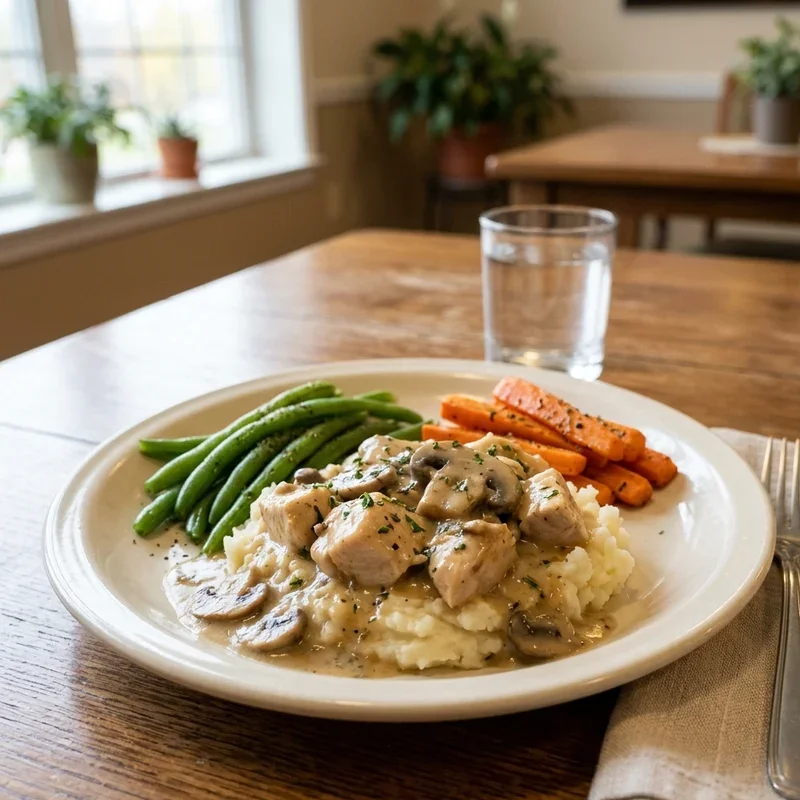
13. Cream of Mushroom Chicken
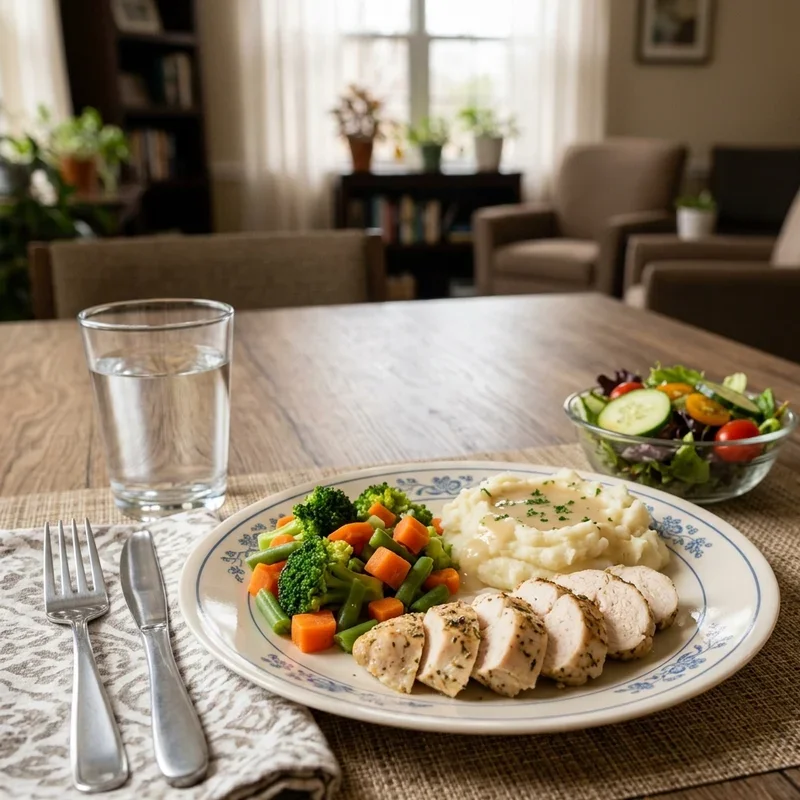
Bake chicken breast in cream of mushroom sauce that creates fork-tender results while delivering familiar flavors from decades of American home cooking. This nostalgic preparation appears in countless family recipe boxes, connecting residents with meals their mothers and grandmothers served during childhood. The sauce keeps chicken moist throughout cooking and service, preventing dryness that creates swallowing difficulties for some residents. Add herbs like thyme or rosemary for elevated flavors that maintain comfort food character while adding subtle sophistication. Serve over egg noodles or rice that absorb creamy sauce, extending savory flavors throughout every bite of the complete meal. The simple preparation requires minimal active cooking time, freeing kitchen staff for other responsibilities while ovens do the slow work. Your mushroom chicken embraces retro comfort that remains genuinely delicious despite decades of service.
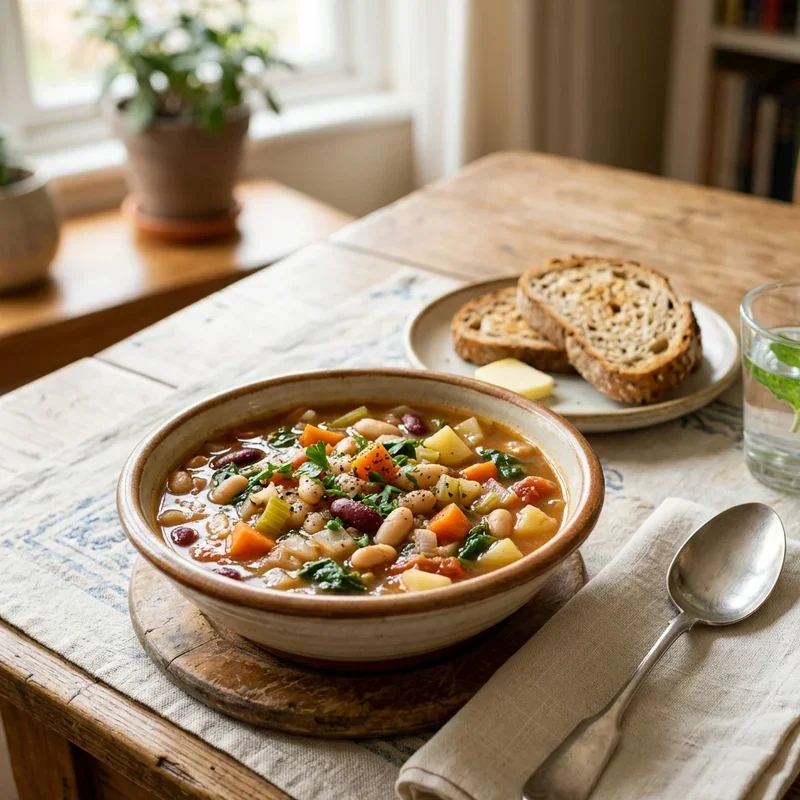
14. Hearty Bean Soup
Deliver plant-based protein and fiber through bean soups that satisfy hunger while supporting digestive health seniors need for optimal function. Choose varieties like white bean, black bean, or classic Senate bean soup that provide familiar flavors residents recognize from their own cooking histories. Puree partially for creamier textures that residents with chewing difficulties can manage, or leave whole for those who prefer more structure. Add vegetables, ham hocks, or smoked turkey for additional flavor dimensions that transform simple beans into complex, satisfying meals. The high fiber content supports digestive regularity that many seniors struggle with due to decreased activity and medication side effects. Bean soups provide excellent nutrition per dollar, making them economically sound for facilities while remaining genuinely delicious for residents. Your hearty bean soup proves that budget-conscious cooking need not sacrifice flavor or nutritional quality.
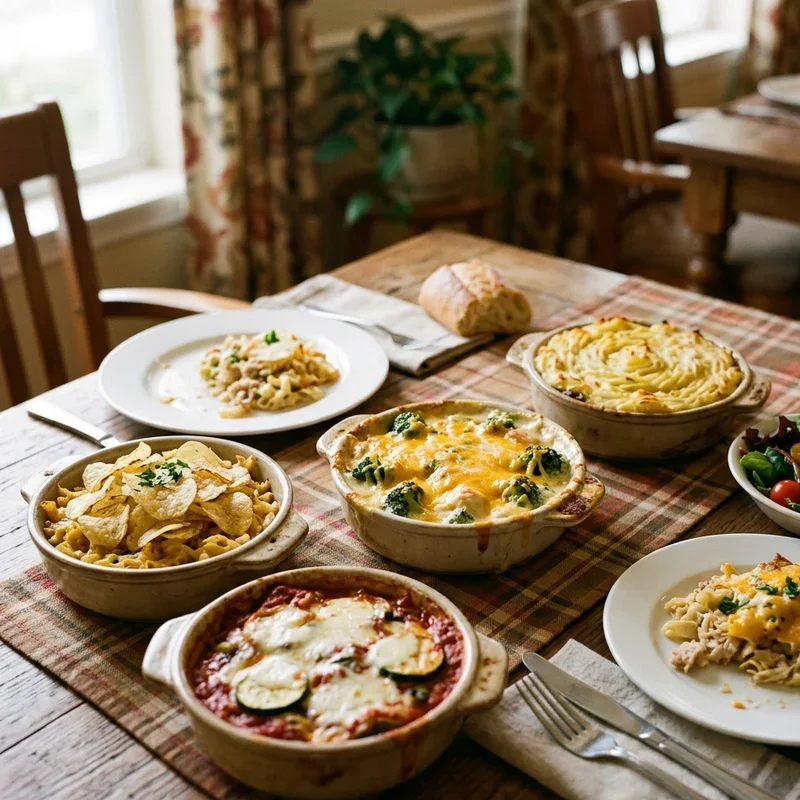
15. Comfort Casserole Collection
Rotate through casserole varieties that deliver complete nutrition through single-dish formats beloved across American culinary tradition. Tuna noodle casserole, chicken and rice bake, and hash brown breakfast casserole all provide protein, carbohydrates, and vegetables in convenient assemblies. The one-dish format simplifies kitchen operations while ensuring balanced nutrition reaches residents through meals they consume completely. Casseroles hold temperature well during extended service periods, maintaining quality across staggered dining schedules that assisted living facilities often navigate. The familiar comfort of casseroles triggers positive memories of family potlucks, church suppers, and home cooking many residents associate with happier times. Soft textures throughout accommodate various chewing abilities while the moist preparations prevent dry, difficult eating experiences. Your casserole collection celebrates the humble covered dish that has nourished American families for generations.
Conclusion
Assisted living meal programs succeed when they prioritize both nutritional science and the emotional comfort that food provides throughout every stage of life. These fifteen ideas demonstrate that senior dining can deliver variety, nutrition, and genuine pleasure through thoughtful preparation that honors residents' lifetime food preferences. Texture modifications, dietary restrictions, and health considerations need not result in bland, institutional food that residents merely tolerate rather than enjoy. Quality ingredients, familiar flavors, and careful preparation transform necessary nourishment into anticipated highlights structuring each resident's day positively. Remember that mealtime represents social opportunity alongside nutrition delivery, making pleasant food essential for overall wellbeing beyond mere calories. Your commitment to excellent dining directly impacts quality of life for those whose independence has changed but whose desire for delicious food remains.
Read next: 15 Meal Train Ideas That Make Life a Little Easier
Frequently Asked Questions
Q1: How can assisted living facilities accommodate multiple dietary restrictions simultaneously?
A: Flexible base recipes with modular components allow customization for individual residents' specific needs.
Q2: What textures work best for residents with swallowing difficulties?
A: Soft, moist foods with consistent textures and adequate sauce prevent choking and ease swallowing.
Q3: How often should assisted living menus rotate for adequate variety?
A: Four to six week rotations prevent monotony while allowing efficient purchasing and preparation planning.
Q4: Should assisted living facilities accommodate cultural food preferences?
A: Yes, honoring cultural backgrounds through familiar foods supports emotional wellbeing and meal consumption.
Q5: How can facilities encourage residents with poor appetites to eat more?
A: Smaller portions, favorite foods, pleasant dining environments, and social mealtimes often improve intake.
Stay up to date with our latest ideas!