How to Keep Food Warm for a Party: Simple Tips and Tricks
Discover practical methods to keep your party food hot and delicious. Learn proven techniques for maintaining perfect serving temperatures effortlessly.
Planning a party can be quite the adventure, can't it? You've got the guest list sorted, decorations up, and the playlist ready to go. But here's the thing that often throws a wrench in the works: keeping all that delicious food warm throughout the event. Nothing's worse than watching your carefully prepared dishes turn cold and unappetizing while your guests are still arriving. Whether you're hosting a casual backyard gathering or an elegant dinner party, maintaining the right temperature for your food is absolutely crucial. The good news? You don't need fancy equipment or professional catering experience to pull this off. With a few clever strategies and some practical know-how, you can ensure every bite stays as warm and tasty as when it first came out of the kitchen.
Understanding the Basics of Food Temperature
Before diving into specific techniques, let's talk about why temperature matters so much. Food safety experts recommend keeping hot foods above 140°F to prevent bacterial growth. Below this threshold, you're entering what's called the danger zone, where bacteria multiply faster than you can say "food poisoning." Beyond safety concerns, there's also the taste factor. Cold food that should be hot just doesn't hit the same, does it? The flavors become muted, textures change, and honestly, it's just not as enjoyable. Understanding these fundamentals helps you appreciate why proper food warming techniques aren't just nice to have but absolutely essential for a successful gathering.
How to Keep Food Warm for a Party: Simple Tips and Tricks with Chafing Dishes
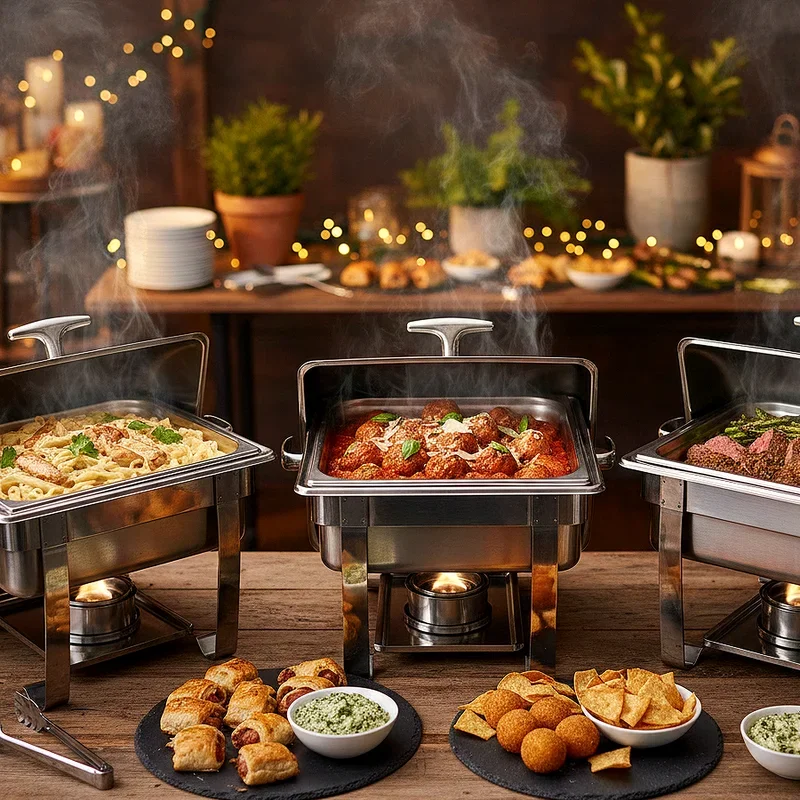
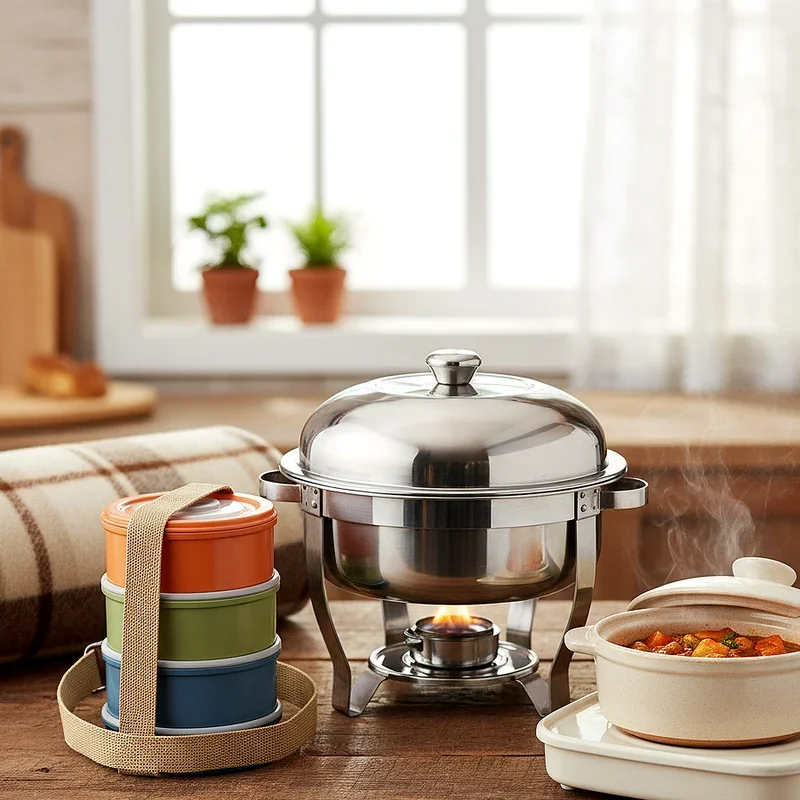
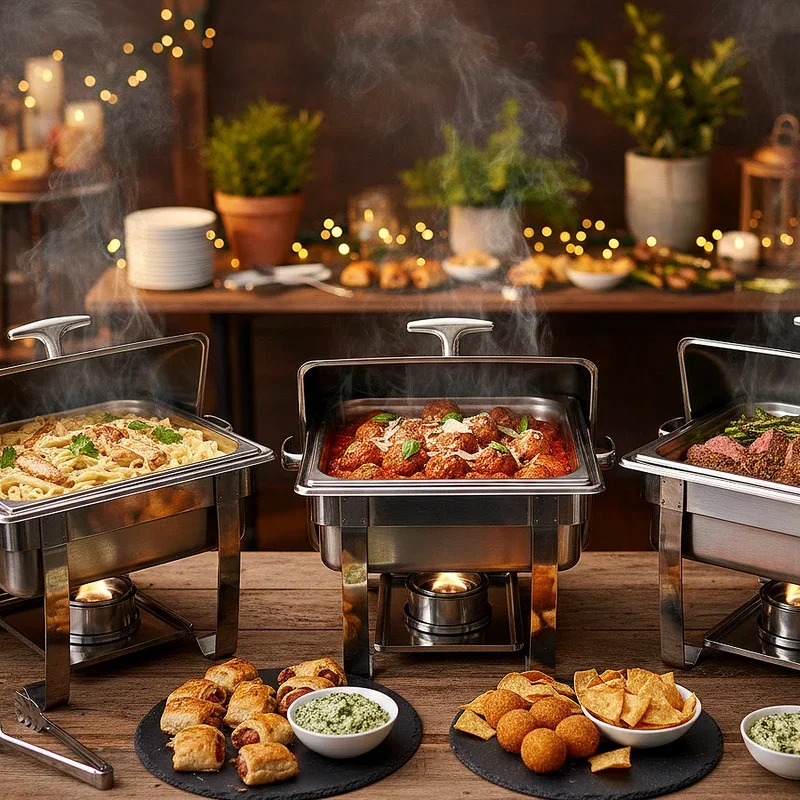
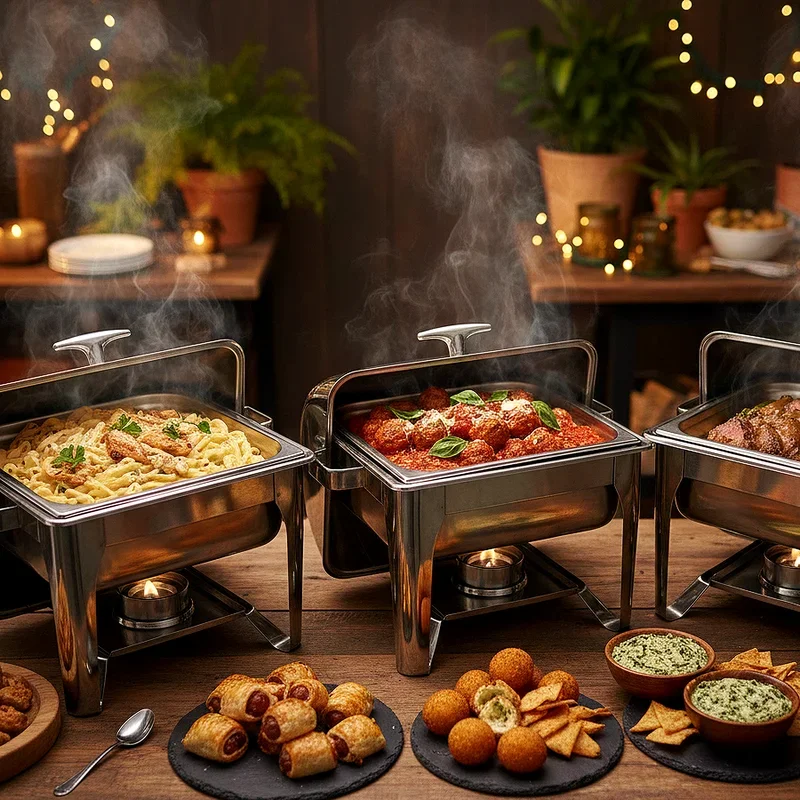
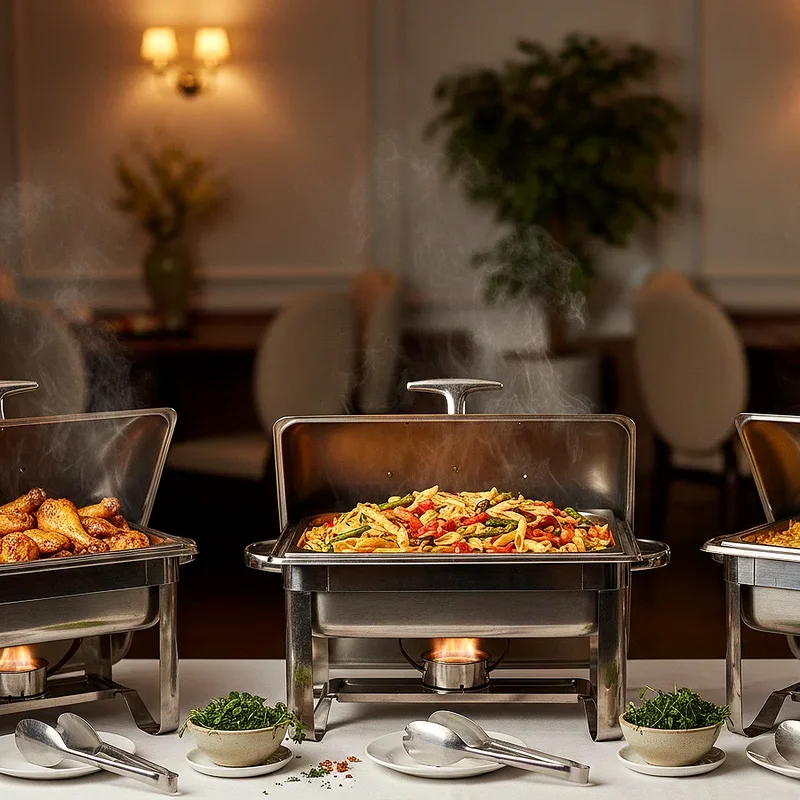
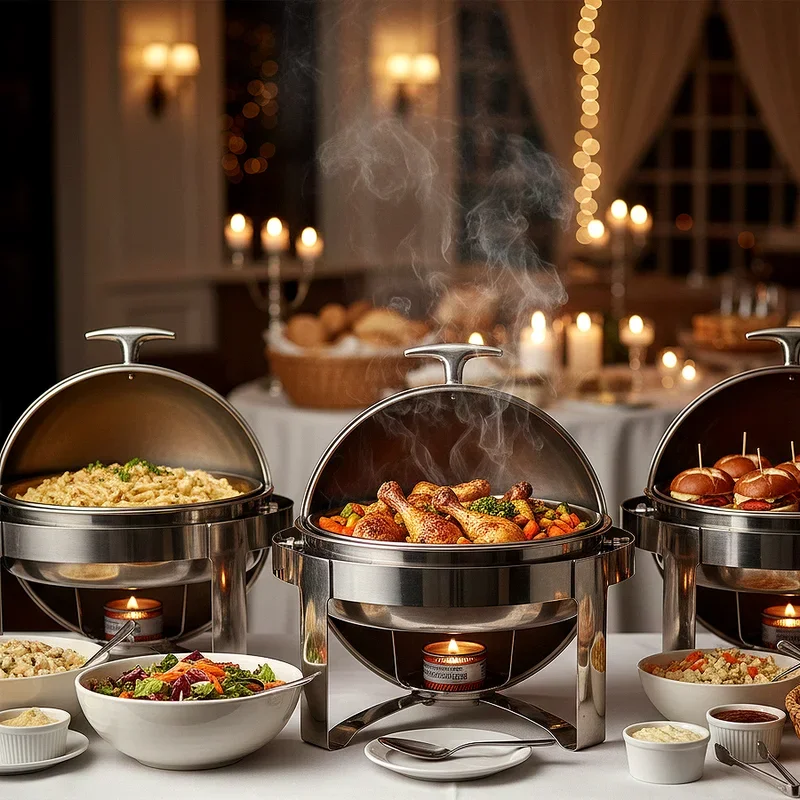
Chafing dishes are the workhorses of party food warming, and for good reason. These metal pans suspended over heat sources have been keeping buffet foods hot for generations. Here's what makes them so effective: they use indirect heat, usually from canned fuel like Sterno, to maintain consistent temperatures without continuing to cook your food. Setting them up is pretty straightforward. Fill the water pan about halfway, light your fuel cans, and place them underneath. The water bath creates gentle, even heat that radiates upward. Pro tip: always keep lids on when guests aren't serving themselves. This traps heat and moisture, preventing your dishes from drying out. You can rent chafing dishes from party supply stores if you don't own them, and they're surprisingly affordable for the peace of mind they provide.
Slow Cookers: Your Secret Weapon
Slow cookers aren't just for making dinner on busy weeknights. They're absolute champions at keeping party food warm for hours on end. The beauty of using slow cookers is their "warm" setting, which maintains temperatures right around 165°F without overcooking. This makes them perfect for dishes like meatballs, dips, soups, and sauces. Here's a trick many hosts don't think about: use multiple slow cookers instead of one large chafer. This gives you more variety and prevents cross-contamination of flavors. Line them up on your serving table, remove the lids or prop them slightly open to let steam escape, and you've got a foolproof warming station. Just remember to plug them in at least thirty minutes before serving to get everything up to temperature.
The Oven Method for Large Quantities
Your oven is probably the most underutilized party warming tool in your kitchen. Setting it to a low temperature between 170°F and 200°F creates a perfect holding environment for covered dishes. The key word here is covered. Without proper covering, your food will dry out faster than you can refill the punch bowl. Use aluminum foil tightly wrapped over pans, or better yet, use oven-safe dishes with fitted lids. This method works brilliantly for items like casseroles, roasted vegetables, and baked pasta dishes. One thing to watch out for: don't overcrowd your oven. Air needs to circulate around each dish for even heating. If you're working with limited oven space, prioritize items that absolutely must stay hot and use alternative methods for others.
Insulated Containers and Thermal Carriers
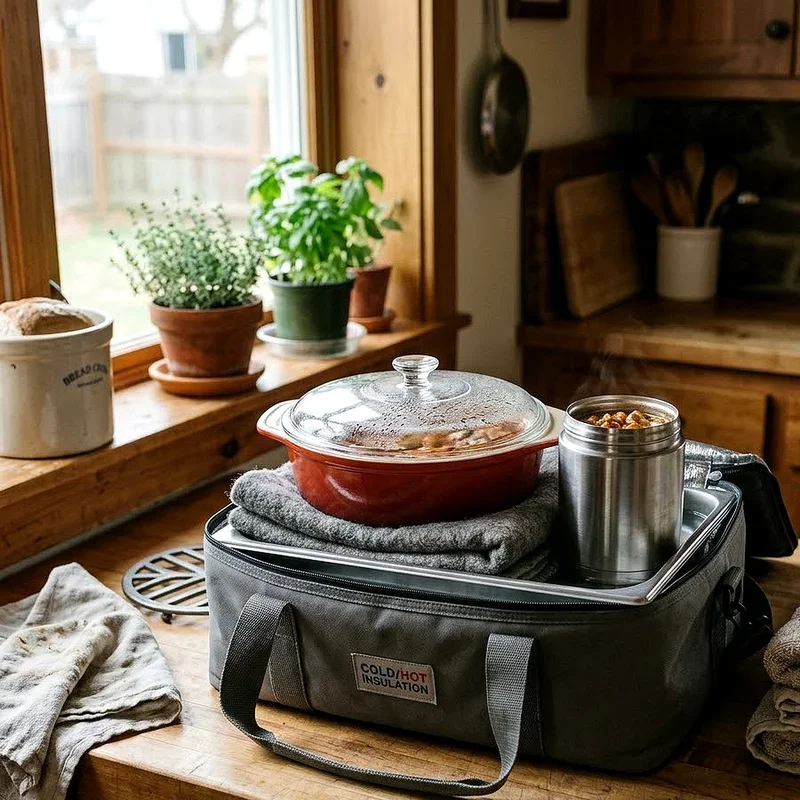
Sometimes the simplest solutions are the best ones. Insulated food carriers and thermal bags are fantastic for keeping food warm, especially if you're transporting dishes or have limited kitchen space. These containers work by trapping heat inside through insulation layers, kind of like a thermos for your casserole. For maximum effectiveness, preheat your containers with hot water before adding food. This ensures the interior is already warm and won't sap heat from your dishes. Wrap individual pans in towels or newspapers before placing them in carriers for extra insulation. This old-school trick really works wonders. Thermal carriers are particularly useful for potluck-style parties where guests bring dishes from home. Just remind everyone to wrap their contributions well before heading out.
Creative Solutions with Heating Pads and Warming Trays
Thinking outside the box can lead to some pretty clever warming solutions. Electric warming trays are flat heating surfaces that keep serving dishes at ideal temperatures. They're perfect for appetizers, bread baskets, and smaller portions. Place your serving platters directly on these trays, and everything stays toasty warm throughout your event. Another surprisingly effective option? Those electric heating pads you use for sore muscles. Seriously. Set them to medium or high, place them under serving dishes, and voila. Instant warming station. This works especially well for dips and cheese plates. Just make sure to put a towel or trivet between the heating pad and your dish to protect both surfaces. These methods are budget-friendly and work great when you're hosting smaller gatherings.
How to Keep Food Warm for a Party: Simple Tips and Tricks Using Hot Water Baths
The water bath technique, also called a bain-marie, is straight from professional kitchens but totally doable at home. Fill a large roasting pan or baking dish with hot water, then nestle your food containers inside. The surrounding water maintains gentle, consistent heat without direct flame contact. This method is particularly brilliant for delicate items like sauces, gravies, and custards that might scorch with direct heat. You can set this up on your stovetop over very low heat or in a low oven. The water level should come about halfway up the sides of your food containers. Check periodically and add more hot water as needed. This technique prevents hot spots and ensures even warming throughout your dishes.
Aluminum Foil: The Budget-Friendly Hero
Never underestimate the power of good old aluminum foil. This kitchen staple is incredibly effective at retaining heat when used correctly. The trick is creating proper insulation layers. Wrap your dishes tightly in multiple layers of heavy-duty foil, shiny side in to reflect heat back toward the food. For extra insulation, place wrapped dishes in cardboard boxes lined with towels. This creates an improvised warming box that holds heat remarkably well. Coolers work even better for this purpose. That's right, the same cooler you use for keeping things cold works brilliantly for keeping things hot. The insulation doesn't care which direction the temperature differential goes. Just remember: the tighter the seal, the longer your food stays warm.
Strategic Serving Techniques
How you serve food matters just as much as how you warm it. Instead of putting everything out at once, consider a staggered serving approach. Keep dishes in the kitchen and bring them out in batches. This ensures fresher, hotter food throughout your party. Use smaller serving portions that guests will finish quickly, then replenish from your warming sources. This rotation system keeps everything at peak temperature and freshness. Another smart move: place hot dishes away from air conditioning vents, open windows, and high-traffic areas where doors open frequently. These environmental factors steal heat faster than you'd think. Create a serving station in a warm corner of your space, and you'll notice food stays hot much longer.
Preparing Foods That Hold Heat Better
Some dishes are naturally better at maintaining temperature than others. Planning your menu with this in mind can make your warming job much easier. Thick, dense foods like casseroles, lasagnas, and hearty stews retain heat far longer than thin, delicate items. Foods with higher fat content also stay warm longer because fat holds heat effectively. Consider making dishes with gravies, sauces, or cheese-based components. These additions not only taste amazing but also help maintain moisture and temperature. Avoid planning menus heavy on items that cool quickly like thin cuts of meat, delicate fish, or crispy fried foods. If you must serve these, plan to make them in small batches throughout the party rather than all at once.
How to Keep Food Warm for a Party: Simple Tips and Tricks for Outdoor Events
Outdoor parties present unique challenges when it comes to keeping food warm. Wind, cooler temperatures, and lack of electrical outlets can complicate things. Setting up a tent or canopy over your serving area helps block wind and retain heat. If you're using chafing dishes outdoors, position them away from breezy spots and consider using windscreens around the fuel sources. Propane-powered warming equipment works better than electric for outdoor settings. These portable burners and warming stations don't require outlets and generate plenty of heat. For casual outdoor gatherings, consider serving foods that taste great at room temperature alongside a few carefully warmed dishes. This reduces the pressure to keep everything piping hot and gives you more time to actually enjoy your party.
Timing Your Food Preparation
Smart timing can reduce the stress of keeping food warm considerably. Plan your cooking schedule so dishes finish right before serving time. This might sound obvious, but you'd be surprised how many hosts prepare everything hours in advance, then struggle to maintain temperatures. Create a cooking timeline working backward from your party start time. Items that reheat well can be made ahead, while others should be timed to finish fresh. For dishes that must sit for a while, factor in your warming method from the start. Some foods actually benefit from resting in warm environments, allowing flavors to meld and textures to settle. Understanding which dishes fall into which category helps you orchestrate everything perfectly.
Monitoring and Adjusting Throughout Your Event
Once your party's in full swing, don't just set it and forget it. Make periodic checks on your food temperatures. A quick-read thermometer is your best friend here. Hot foods should stay above 140°F throughout the event. If temperatures start dropping, adjust heat sources or transfer items to different warming methods. Top up water baths, replace fuel cans in chafing dishes, or rotate items in and out of the oven as needed. Stir dishes occasionally to distribute heat evenly and prevent hot spots or cold pockets. These small adjustments take just minutes but make a huge difference in food quality. Think of yourself as a conductor orchestrating a delicious symphony, and those periodic check-ins are how you keep everything in harmony.
Common Mistakes to Avoid
Even experienced hosts make warming mistakes that compromise their food. One biggie: cranking heat too high thinking it'll work better. High heat continues cooking your food, leading to dried-out, overcooked disasters. Low and slow is always the way to go for holding temperatures. Another common error is leaving food uncovered. This invites rapid heat loss and drying. Always cover dishes when possible. Don't mix hot and cold items in the same warming setup. This confuses temperature regulation and can create food safety issues. Avoid using your microwave as a warming station. Microwaves heat unevenly and continue cooking food rather than just holding it warm. Finally, don't forget about food that's been sitting out. The two-hour rule applies even to warmed food. After that time frame, it's better to toss it than risk foodborne illness.
Budget-Friendly Warming Options
You don't need to break the bank on expensive equipment to keep party food warm. Many effective solutions cost little to nothing. Those cardboard boxes and towels we mentioned? Completely free if you've got them around. Tea light candles under heatproof trivets can warm small dishes beautifully for just pennies. Borrow chafing dishes from friends or family instead of renting. Community sharing saves everyone money. DIY warming stations using bricks and canned heat cost just a few dollars. Check discount stores for inexpensive electric warming trays that work surprisingly well. With creativity and resourcefulness, you can achieve professional results without professional prices. The investment that really matters is your time and attention, not fancy gadgets.
Making Cleanup Easier
Let's be honest, nobody wants to deal with complicated cleanup after hosting a party. Choose warming methods that simplify this process. Disposable aluminum pans in chafing dishes mean less scrubbing later. Slow cooker liners are absolute lifesavers for easy cleanup. If you're using your oven, line racks with foil to catch any spills. Clean as you go throughout the party when possible. Between greeting guests and refilling drinks, wipe down surfaces and deal with small messes. This prevents overwhelming cleanup sessions later. For outdoor warming equipment, have a designated cooling area where items can safely cool down before packing away. Safety first, always. Proper planning around cleanup makes the whole experience more enjoyable and less stressful.
Conclusion
Keeping food warm for a party doesn't have to be complicated or stressful. With the right techniques and a bit of planning, you can ensure every dish stays delicious from the first guest to the last. Whether you're using chafing dishes, slow cookers, or clever DIY solutions, the key is maintaining consistent temperatures without overcooking. Remember to choose warming methods that match your menu, space, and budget. Monitor temperatures throughout your event and make adjustments as needed. Most importantly, don't let food warming worries overshadow the joy of hosting.
Read next: How to Keep Food Warm at Parties, Events, or Home
Frequently Asked Questions
Q1. What temperature should I keep hot party food at?
A: Hot party foods should maintain temperatures above 140°F for safety and quality purposes.
Q2. Can I use a cooler to keep food warm?
A: Yes, coolers insulated with towels and preheated effectively maintain food warmth for hours.
Q3. How long can food safely sit in a warming tray?
A: Food can safely remain in warming trays for up to two hours maximum.
Q4. Do I need to stir food while it's being kept warm?
A: Yes, occasional stirring ensures even heat distribution and prevents cold spots from developing.
Q5. What's the cheapest way to keep party food warm?
A: Aluminum foil wrapping with towel insulation in cardboard boxes costs almost nothing yet works.
Stay up to date with our latest ideas!