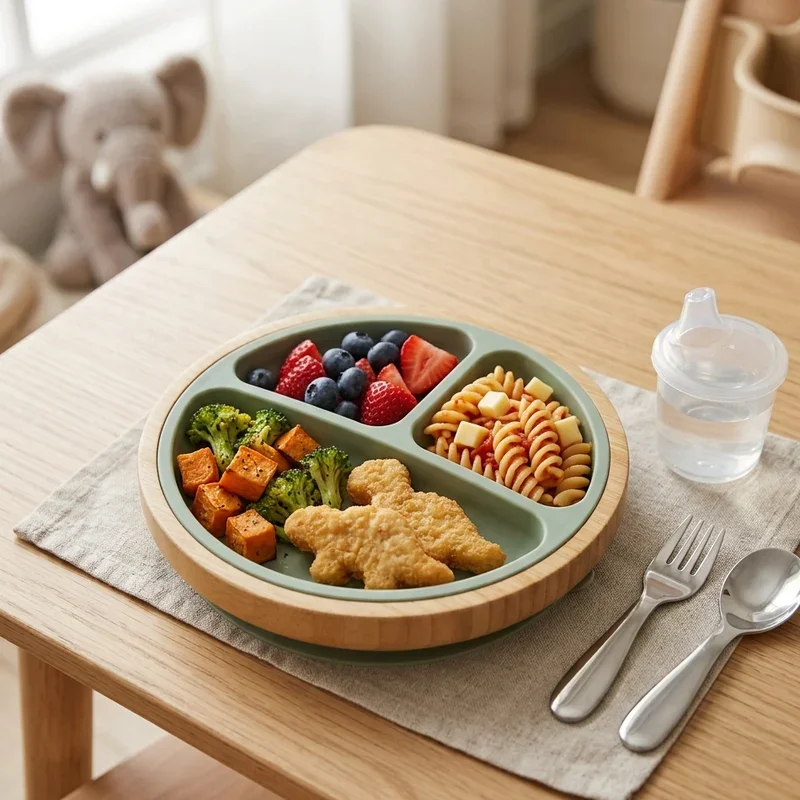
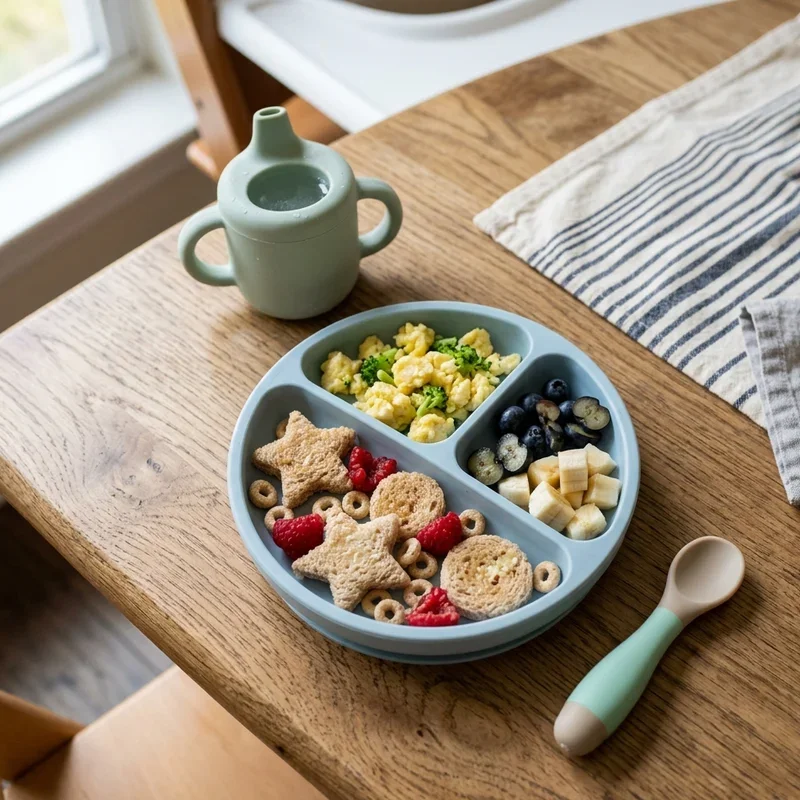
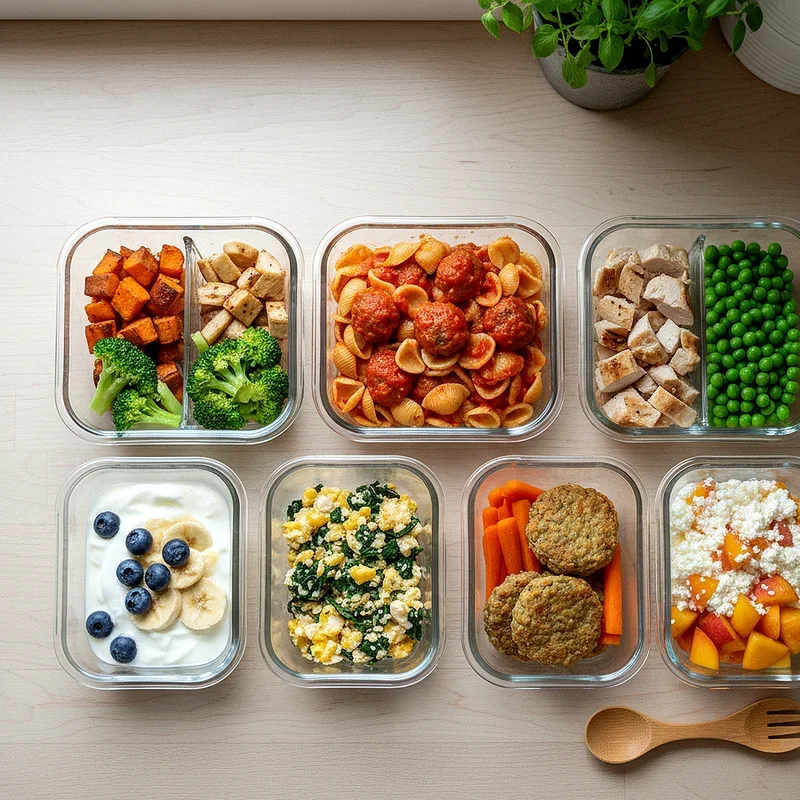
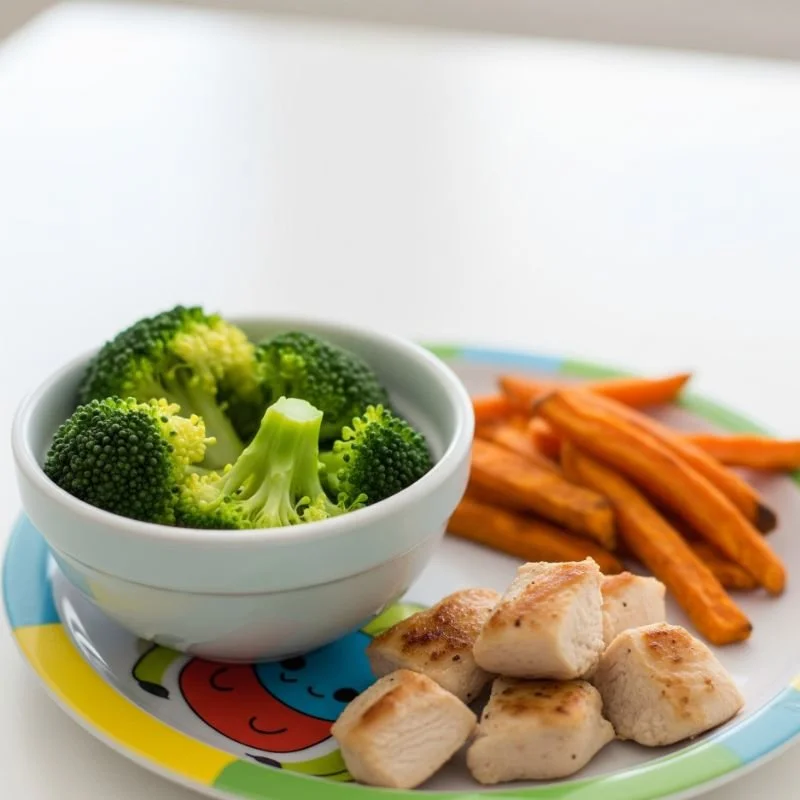
15 Toddler Food Ideas for Easy, Nutritious Meals
Discover 15 easy toddler food ideas packed with nutrition that even picky eaters will love. Simple meals for busy parents!
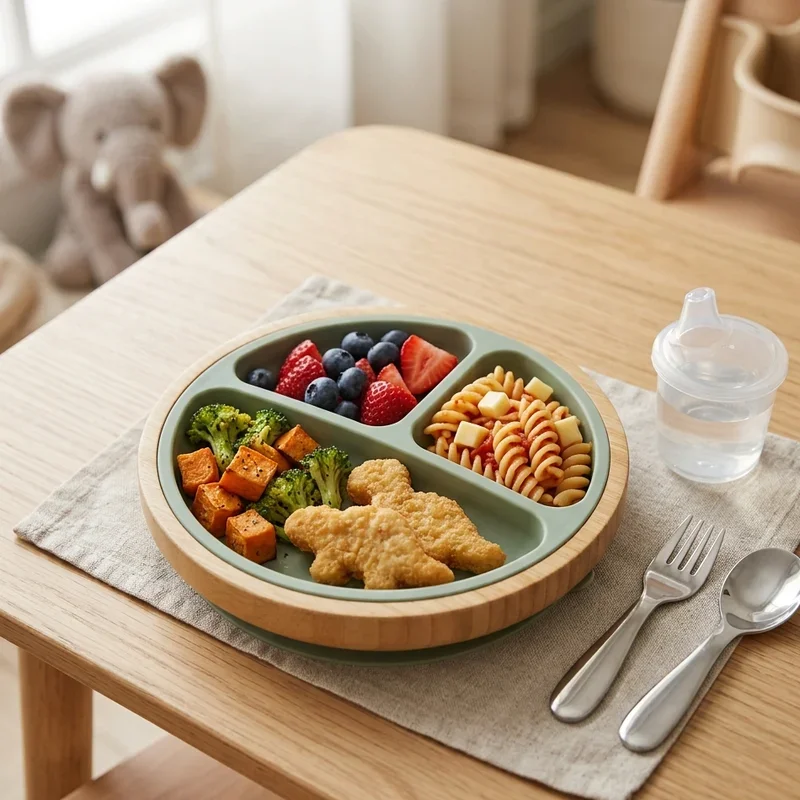
Feeding toddlers often feels like negotiating peace treaties with tiny dictators who change their demands mid-bite without warning. One day they devour broccoli like it's candy, the next day that same vegetable becomes enemy number one worthy of dramatic table-side rejection. Sound familiar? The toddler years bring incredible developmental growth alongside equally incredible mealtime challenges that test every parent's patience and creativity daily. Your little one needs proper nutrition to fuel those busy bodies and developing brains, but getting that nutrition past pursed lips requires strategy, patience, and a few clever tricks up your sleeve. The good news? Nutritious meals don't require culinary degrees or hours of kitchen labor that exhausted parents simply don't have available. These fifteen ideas prove that easy and nutritious can absolutely coexist on your toddler's plate, making mealtimes less stressful and more successful for everyone involved.
1. Mini Vegetable Muffins
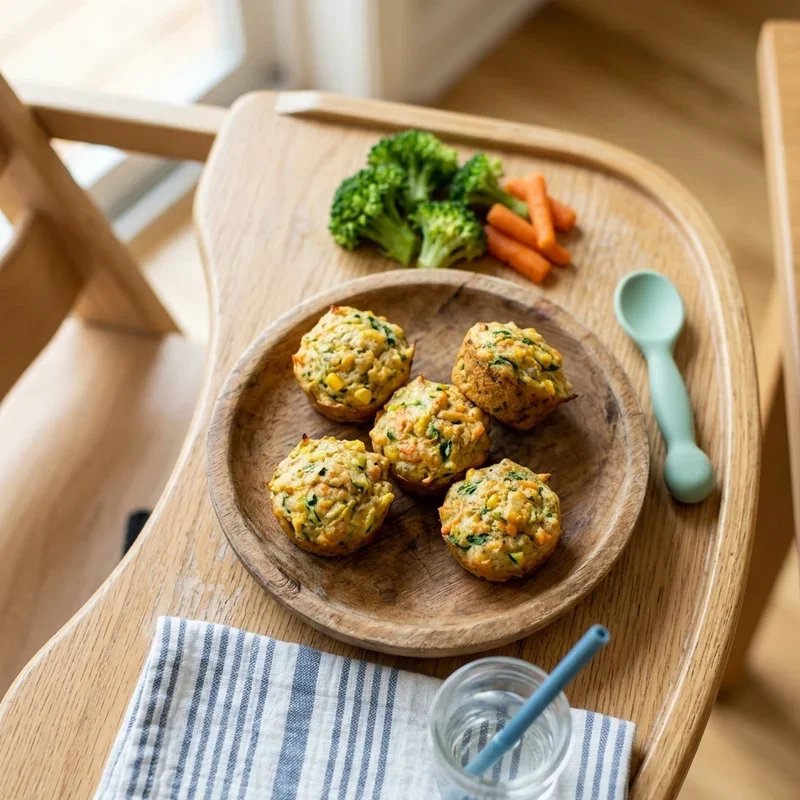
Transform vegetables into handheld treasures that toddlers can grasp, explore, and actually eat without recognizing the nutritious cargo hidden inside. These savory muffins incorporate shredded zucchini, carrots, spinach, or whatever vegetables your little one typically rejects when served in recognizable form. The muffin format appeals to toddlers who love feeding themselves while the baked vegetable texture disappears into delicious bites they accept readily. Mix vegetables with eggs, cheese, and a bit of flour to create batter that bakes into perfect toddler-sized portions in mini muffin tins. Batch cooking allows you to freeze extras for busy mornings when cooking feels impossible and grabbing something nutritious feels essential. Add herbs and mild seasonings that introduce flavor variety without overwhelming developing palates still learning to appreciate complex tastes. Your vegetable muffins become secret weapons for nutrition delivery that toddlers request willingly.
2. Banana Oat Pancakes
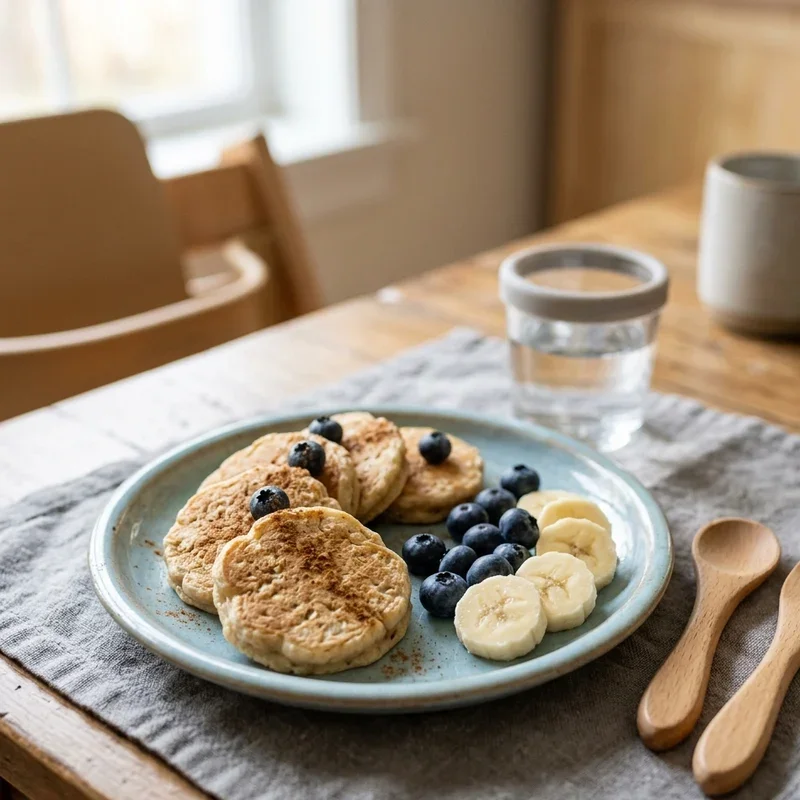
Start mornings right with three-ingredient pancakes that deliver whole grains, potassium, and natural sweetness without added sugars complicating nutritional profiles. Blend ripe bananas with oats and eggs to create batter that cooks into soft, naturally sweet pancakes that toddlers devour enthusiastically. The banana provides sweetness that eliminates syrup needs while oats offer fiber keeping little tummies satisfied through busy morning activities ahead. Make silver-dollar-sized pancakes perfectly proportioned for small hands learning to use utensils or still preferring finger food approaches. Freeze extras flat on baking sheets, then transfer to bags for quick weekday breakfasts requiring only brief reheating before serving. Top with fresh berries, nut butter swirls, or thin yogurt drizzles that add nutritional variety alongside visual appeal. Your banana oat pancakes prove healthy breakfasts require minimal ingredients and even less morning effort.
3. Hidden Veggie Pasta Sauce
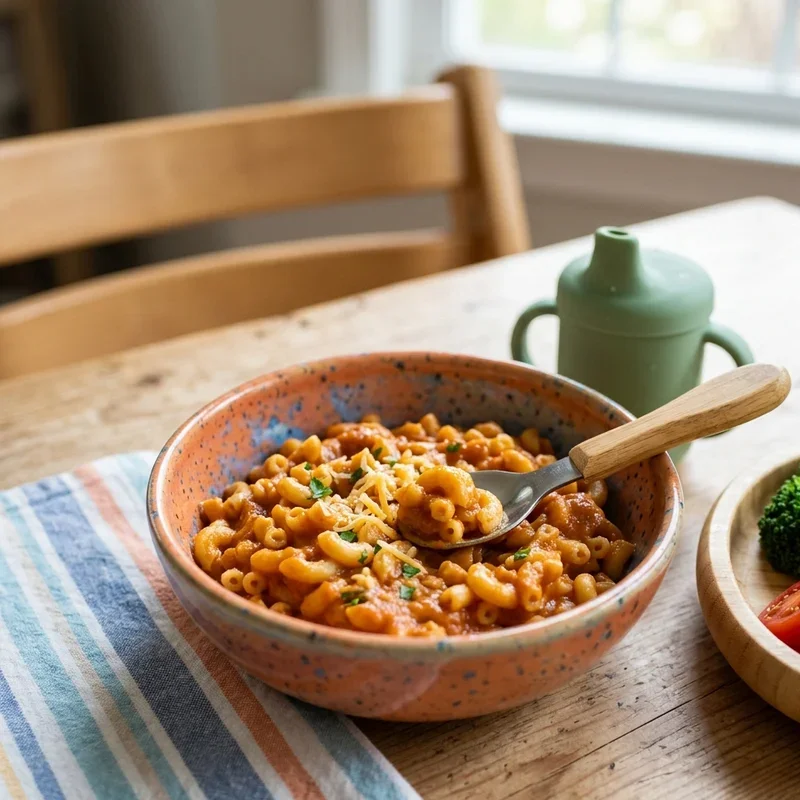
Harness pasta's universal toddler appeal by loading sauces with vegetables that blend invisibly into the beloved red coating their noodles receive. Cook carrots, zucchini, bell peppers, spinach, and whatever vegetables need using, then blend smooth with tomato sauce until vegetable evidence disappears completely. Toddlers taste familiar pasta sauce while consuming vegetable servings they would reject if those same vegetables appeared recognizably on their plates nearby. The cooking process softens vegetables for blending while the tomato flavor dominates taste profiles that toddlers already accept happily. Make large batches that freeze in portion sizes, creating quick dinner solutions for hectic evenings when elaborate cooking seems impossible. Serve over various pasta shapes that add fun through visual variety: wheels, shells, bowties all taste identical but look excitingly different to toddler eyes. Your hidden veggie sauce delivers nutrition through beloved vehicles toddlers never suspect of carrying healthy cargo.
4. Yogurt Parfait Cups
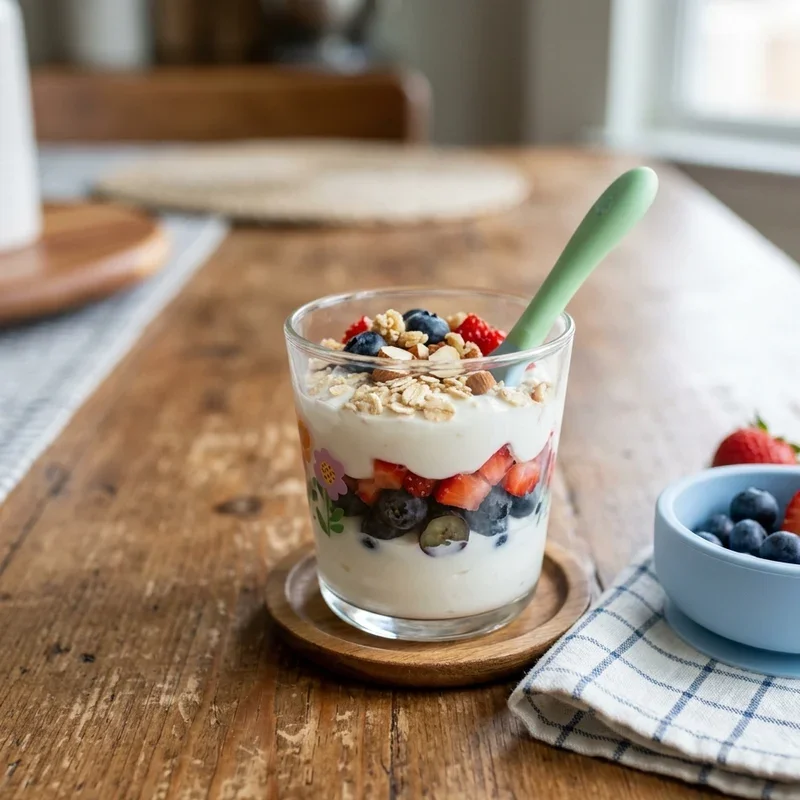
Layer nutrition beautifully in clear cups where toddlers can see colorful strata of yogurt, fruit, and crunchy toppings awaiting their spoons. Use plain full-fat Greek yogurt that provides protein and probiotics supporting developing digestive systems without added sugars undermining nutritional goals. Layer fresh or frozen berries, sliced bananas, or diced soft fruits that add natural sweetness alongside vitamins and fiber throughout compositions. Crunchy elements like low-sugar granola, crushed whole grain cereal, or even finely chopped nuts for appropriate ages add texture variety that keeps toddlers interested. The visual appeal of layered parfaits transforms ordinary yogurt into special treats that toddlers feel excited to receive and consume completely. Prepare parfaits in advance for grab-and-go breakfasts or afternoon snacks requiring zero preparation when hunger strikes suddenly. Your parfait cups make nutrition visible, accessible, and appealing through simple layering techniques.
5. Cheese and Veggie Quesadillas
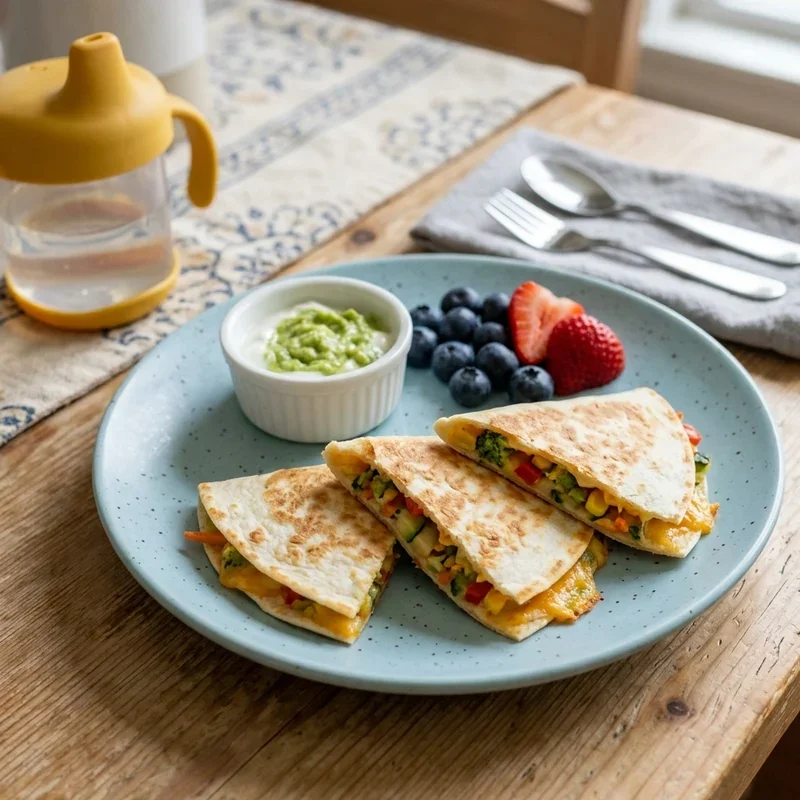
Fold vegetables inside melted cheese blankets where gooey deliciousness disguises nutritious stowaways toddlers would otherwise refuse outright. Finely dice or shred vegetables like bell peppers, spinach, zucchini, or corn that melt into cheese between warm tortilla layers invisibly. The cheese provides calcium and protein while tortillas contribute whole grains when you select whole wheat varieties for additional fiber benefits. Cut quesadillas into strips, triangles, or use cookie cutters creating fun shapes that make eating more engaging for easily distracted toddlers. Serve with mild salsa, guacamole, or plain yogurt dips that encourage toddlers to participate in dipping rituals making mealtimes interactive and fun. The handheld format suits toddlers practicing self-feeding skills while the warm, melty texture appeals universally across picky eater categories. Your veggie quesadillas deliver hidden nutrition through cheese's beloved disguise effectively.
6. Sweet Potato Toast Fingers
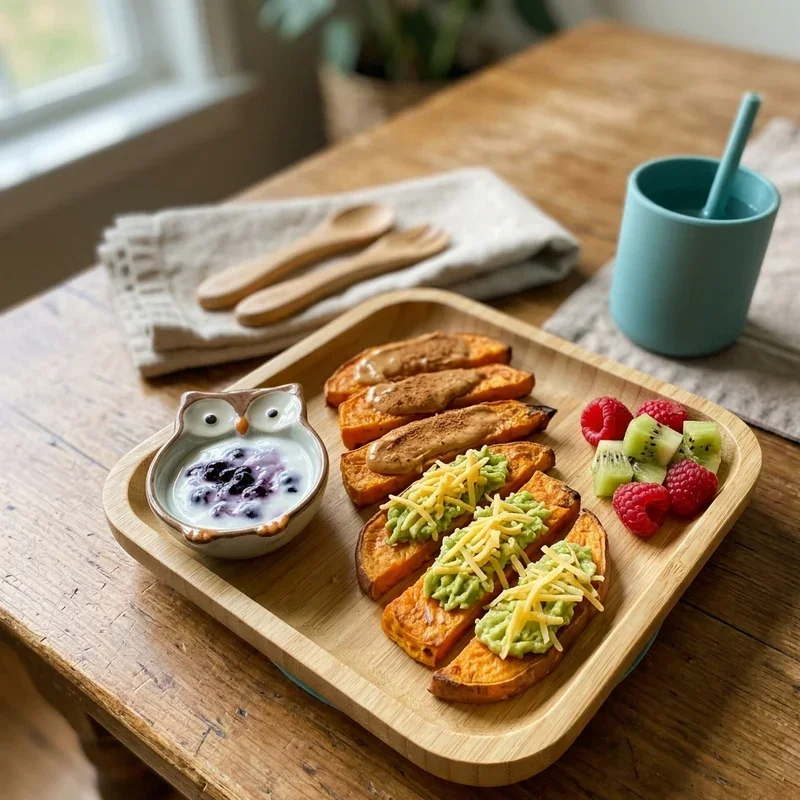
Replace bread with nutrient-dense sweet potato slices that toast into perfect finger food vehicles for various healthy toppings. Slice sweet potatoes lengthwise into quarter-inch slabs, then toast until tender inside and slightly crispy outside for ideal texture. These orange beauties provide vitamin A, fiber, and complex carbohydrates that fuel toddler activities more sustainably than simple refined alternatives. Top with mashed avocado, nut butter, cream cheese, or hummus that add protein and healthy fats alongside visual color contrasts that attract curious toddlers. The naturally sweet flavor appeals to toddler palates still developing appreciation for savory options vegetables often require. Batch prep sweet potato slices on weekends, storing in refrigerators for quick toasting throughout busy weeks ahead. Your sweet potato toasts offer bread alternatives that boost nutrition without sacrificing the familiar toast experience toddlers enjoy.
7. Mini Meatballs with Vegetables
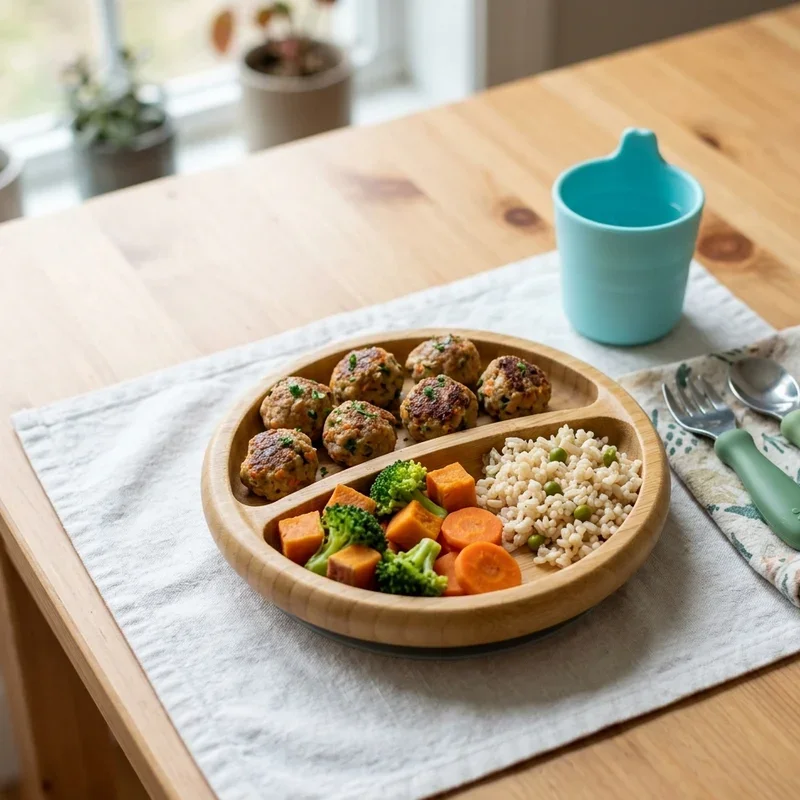
Roll vegetables directly into meatballs where protein and produce combine into perfect bite-sized spheres toddlers can self-feed easily. Finely grate zucchini, carrots, or spinach into ground meat mixtures where cooking transforms vegetables into invisible nutritional boosters throughout. The meatball format appeals to toddlers who enjoy food they can pick up, control, and consume independently without adult assistance cutting food smaller. Bake rather than fry for healthier results that also simplify cooking processes when managing toddler supervision simultaneously. Make large batches for freezing: meatballs reheat beautifully, providing quick protein sources when cooking from scratch feels overwhelming. Serve with various dipping sauces from tomato to yogurt-based options that encourage sauce exploration while adding additional nutrition layers. Your veggie-loaded meatballs deliver protein and vegetables through universally appealing spherical packages.
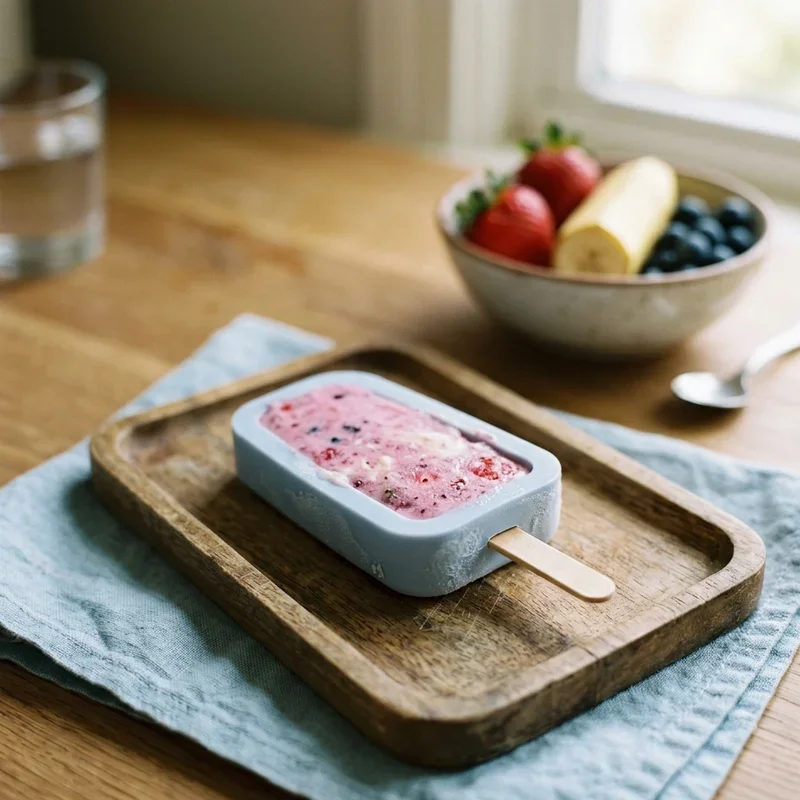
8. Smoothie Popsicles
Freeze nutrition into popsicle molds that transform healthy smoothie ingredients into frozen treats toddlers beg to receive enthusiastically. Blend spinach, bananas, berries, yogurt, and milk into smoothies that pour into molds, becoming solid nutrition delivery systems requiring zero spoon coordination whatsoever. The frozen format disguises vegetables completely while the popsicle experience feels like treat time rather than nutrition enforcement to toddlers. These homemade versions control sugar content unlike commercial alternatives often loaded with added sweeteners undermining health goals significantly. Teething toddlers particularly appreciate the soothing cold sensation that provides comfort alongside nutrition during uncomfortable developmental phases. The mess potential concerns some parents, but bathtub popsicle sessions solve drip disasters while adding bath time fun. Your smoothie popsicles prove that dessert and nutrition coexist happily within frozen treat frameworks.
9. Egg Muffin Cups
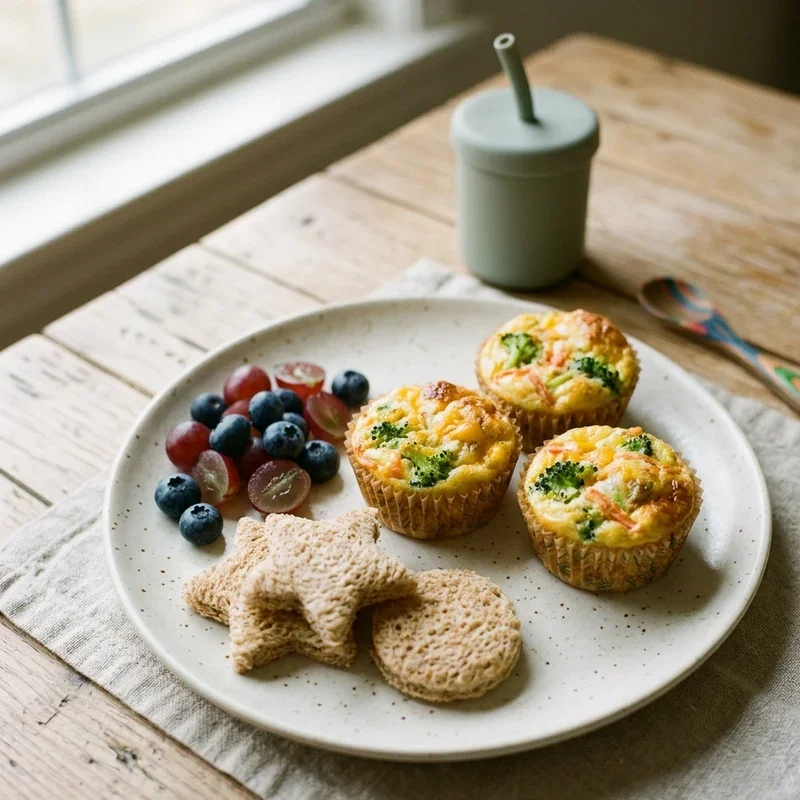
Bake eggs with vegetables in muffin tins creating portable protein packages perfect for busy mornings or quick snacks throughout the day. Whisk eggs with milk, cheese, and finely chopped vegetables like bell peppers, spinach, tomatoes, or broccoli that bake set within egg mixtures. The muffin cup format creates perfectly sized portions that toddler hands can hold and mouths can manage without overwhelming portion challenges. Protein from eggs supports growing muscles and developing brains while vegetables add vitamins without changing textures toddlers might reject otherwise. Make dozens at once, refrigerating for the week or freezing for longer storage that extends your prep investment significantly. Reheat briefly before serving for warm breakfasts that feel freshly prepared despite requiring merely microwave moments. Your egg muffin cups deliver complete breakfast nutrition through convenient, portable, toddler-friendly formats.
10. Avocado Toast Strips
Cut toast into strips that toddler fingers can grip while avocado's creamy nutrition coats whole grain bases delivering healthy fats essential for brain development. Mash ripe avocado with tiny lime squeezes that prevent browning while adding flavor dimension that intrigues developing palates subtly. Spread generously onto whole grain toast, then cut into strips that fit small hands while minimizing mess potential throughout eating sessions. The healthy fats in avocado support brain development occurring rapidly during toddler years while providing satisfying creaminess that appeals universally. Top with mashed banana for sweetness, crumbled egg for protein, or sesame seeds for texture variety that keeps this simple meal interesting. The preparation requires minimal effort: mash, spread, cut, serve, making this ideal for exhausted parents seeking nutrition with zero cooking requirement whatsoever. Your avocado toast strips prove simple preparations often deliver maximum nutritional returns.

11. Homemade Fish Fingers
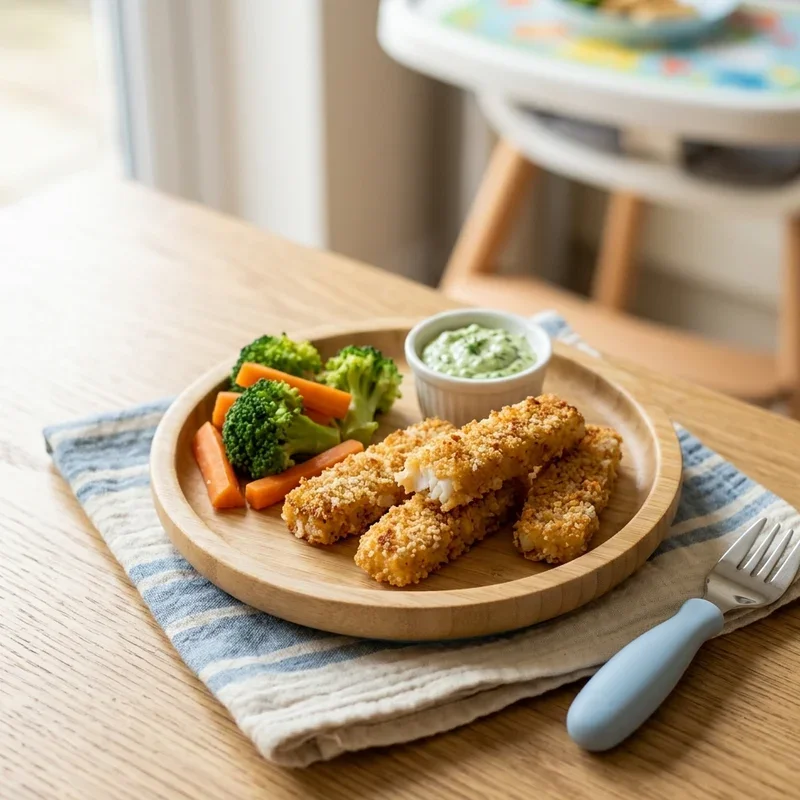
Replace processed frozen fish sticks with homemade versions where you control ingredients, ensuring quality protein without mysterious additives hiding within. Use mild white fish like cod or tilapia that cut into strips, coat with whole wheat breadcrumbs, and bake until golden and flaky inside. Fish provides omega-3 fatty acids supporting brain development that toddler years demand in significant quantities for optimal cognitive growth. The familiar fish stick format appeals to toddlers who might reject fish served in unfamiliar preparations but accept this recognized shape happily. Baking rather than frying reduces fat content while simplifying preparation for parents managing multiple responsibilities simultaneously during dinner rushes. Serve with vegetable sides and dipping sauces that encourage fish consumption through interactive eating experiences toddlers enjoy. Your homemade fish fingers deliver brain-boosting omega-3s through trusted formats toddlers already accept.
12. Veggie-Loaded Mac and Cheese
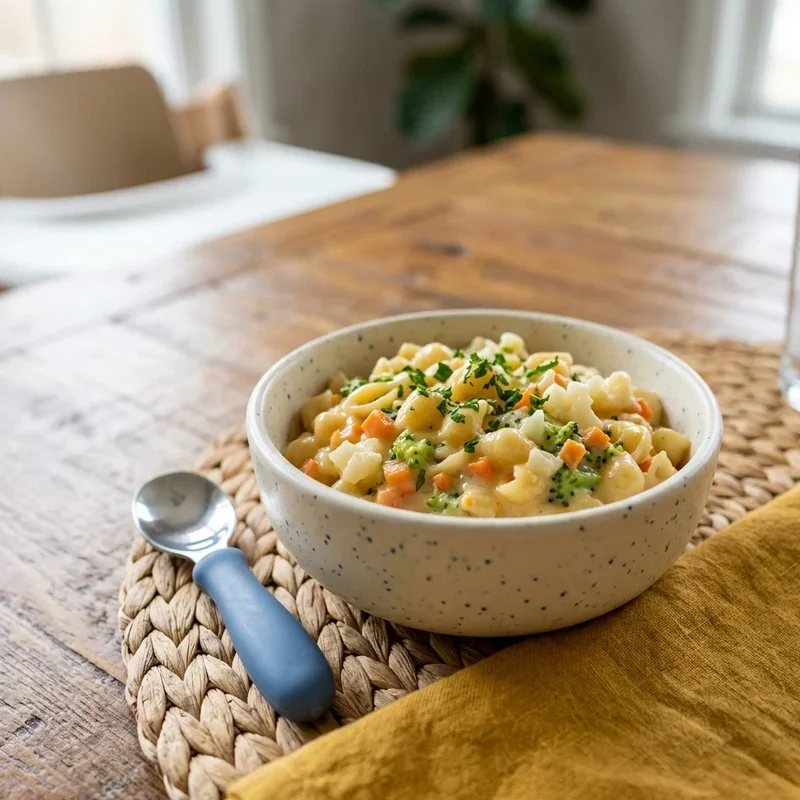
Elevate beloved mac and cheese by stirring pureed vegetables into cheese sauces where nutrition hides beneath beloved cheesy coating completely. Steam butternut squash, carrots, or cauliflower until tender, then blend smooth with cheese sauce until vegetables disappear into familiar orange comfort food. Toddlers taste only the mac and cheese they adore while consuming significant vegetable portions they would certainly reject if served recognizably alongside. The cheese provides calcium and protein while vegetables add vitamins, fiber, and other nutrients this traditionally simple dish lacks alone. Make cheese sauce from scratch when time permits, or blend vegetables into quality jarred alternatives when shortcuts become necessary for sanity preservation. The familiar comfort of mac and cheese ensures acceptance while hidden vegetables ensure nutrition parents require for peace of mind. Your veggie mac and cheese maintains beloved childhood dish status while dramatically improving nutritional profiles.
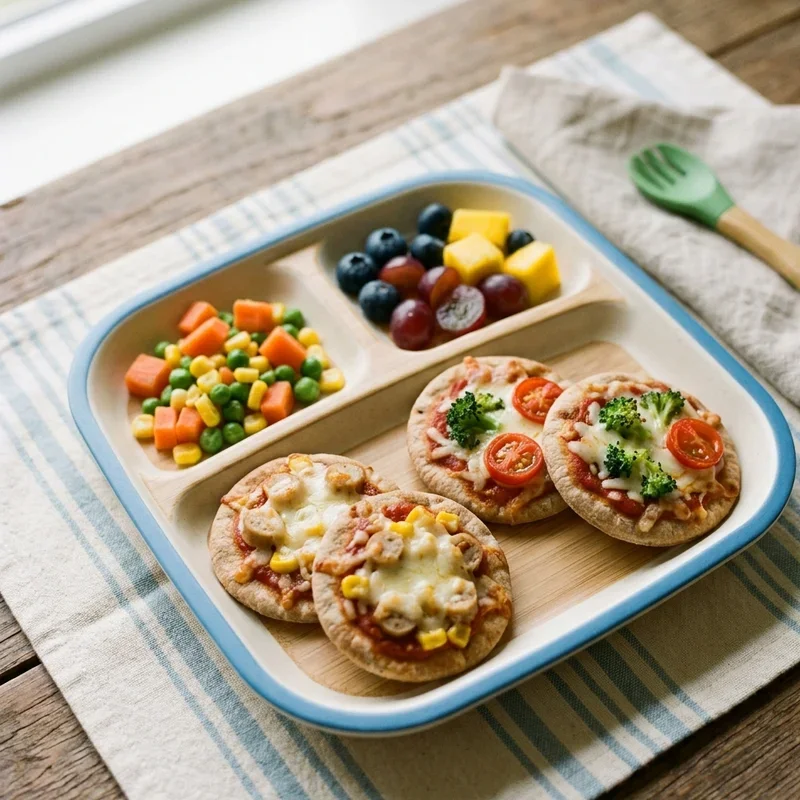
13. Mini Pita Pizzas
Empower toddlers through pizza-making participation where they top mini pitas with sauce, cheese, and vegetables they select themselves. The ownership of making their own food often encourages eating creations they might reject if simply served without involvement. Pita rounds provide individual pizza bases that maintain their integrity better than bread alternatives while offering whole grain options. Spread tomato sauce, sprinkle cheese, and offer vegetable toppings in small bowls where toddlers can practice pincer grasps while selecting additions. Bake briefly until cheese melts, then cool adequately before serving these personalized creations to their proud young chefs. The activity combines fine motor skill development, decision-making practice, and nutrition consumption into single mealtime experiences. Your mini pita pizzas transform nutrition consumption into engaging activities that toddlers enjoy participating in enthusiastically.
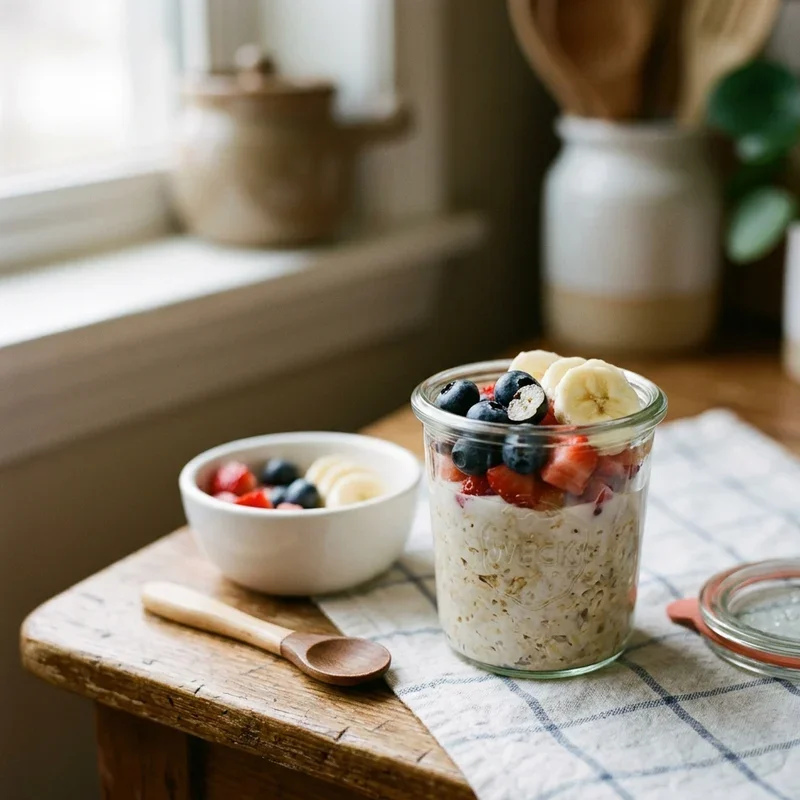
14. Overnight Oats Jars
Prepare tomorrow's breakfast tonight through overnight oats that soften while you sleep, requiring zero morning effort when chaos reigns supreme. Combine oats with milk, yogurt, and chia seeds in jars that refrigerate overnight, transforming into ready-to-eat soft, nutritious breakfasts by morning. Add mashed banana, pureed fruit, or cinnamon for sweetness without added sugars that undermine otherwise healthy breakfast intentions completely. The soft texture suits toddlers still mastering chewing while the mild flavors appeal to palates still developing complex taste appreciation. Make multiple jars on prep days, creating several morning solutions that eliminate daily breakfast decisions during rushed weekday starts. Serve cold or warm briefly depending on toddler preference and seasonal temperature considerations that influence breakfast appeal variably. Your overnight oats jars prove that excellent morning nutrition requires only evening forethought rather than morning labor.
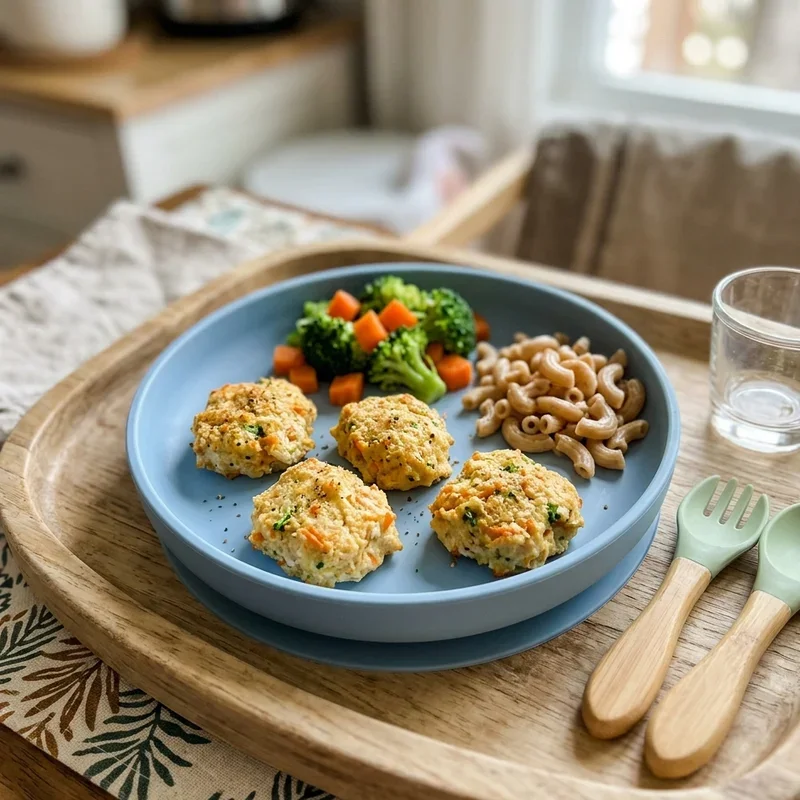
15. Chicken and Vegetable Nuggets
Create homemade nuggets where ground chicken combines with finely chopped vegetables forming protein-packed bites without processed ingredient lists. Pulse chicken breast with carrots, zucchini, and spinach until vegetables disappear into meat mixtures that shape into nugget forms easily. The familiar nugget format assures picky toddlers who might reject chicken and vegetable combinations if those same ingredients appeared separately on plates recognizably. Bake until golden outside and cooked through inside, achieving crispy textures without deep frying that healthier approaches eliminate. These nuggets freeze beautifully, creating stockpiles for busy weeknight dinners when elaborate cooking feels utterly impossible. Serve with dipping sauces that encourage consumption while providing additional flavor variety that keeps nugget meals interesting throughout weekly repetitions. Your veggie-loaded nuggets deliver protein and vegetables through beloved formats toddlers accept without suspicion.
Conclusion
Feeding toddlers nutritious meals doesn't require culinary expertise, unlimited time, or supernatural patience levels that few parents actually possess. These fifteen ideas demonstrate that simple approaches often deliver maximum nutritional results while minimizing the mealtime struggles that exhaust families daily. Hidden vegetables, familiar formats, and self-feeding opportunities all work together to increase acceptance rates while ensuring proper nutrition reaches growing bodies consistently. Remember that toddler eating habits fluctuate wildly: today's rejected food might become tomorrow's obsessive favorite without any logical explanation whatsoever. Keep offering variety, maintain mealtime positivity, and celebrate small victories when nutrition actually enters those tiny bodies willingly. Your patience and creativity today build healthy eating foundations that serve your child throughout their entire lifetime.
Read next: 15 Toddler Breakfast Ideas for Easy and Healthy Mornings
Frequently Asked Questions
Q1: How do I handle extreme picky eating in my toddler?
A: Offer variety without pressure, maintain consistent mealtimes, and model healthy eating behaviors yourself.
Q2: Are frozen vegetables as nutritious as fresh for toddlers?
A: Yes, frozen vegetables retain excellent nutrition and often provide more convenience for busy families.
Q3: How much should my toddler eat at each meal?
A: Toddler portions are small, roughly one tablespoon of each food per year of age.
Q4: Can I meal prep toddler food for the entire week?
A: Absolutely, most toddler foods refrigerate three to four days or freeze for months.
Q5: When should I worry about my toddler's eating habits?
A: Consult pediatricians if weight falters, development slows, or eating anxiety becomes severe and persistent.
Stay up to date with our latest ideas!