Why Does Indian Food Make Me Gassy? Explained
Why does Indian food make me gassy? Explained here with causes like legumes, spices, dairy, and fiber plus easy fixes.

Let us be honest for a second. You have just polished off a gorgeous plate of chana masala, some buttery naan, and a side of dal that tasted like heaven. Everything was perfect until about an hour later when your stomach started putting on its own little symphony. And not the pleasant kind. If you have ever found yourself wondering why does Indian food make me gassy, you are definitely not alone in this boat.
Indian cuisine is one of the most beloved food traditions on the planet, and for good reason. The flavors are bold, the spices are intoxicating, and the variety is simply unmatched. But for a lot of people, especially those who did not grow up eating these dishes regularly, the aftermath can be a bit uncomfortable. The bloating, the rumbling, and yes, the gas can put a real damper on an otherwise fantastic meal.
Here is the good news though. Once you understand what is actually going on inside your gut, you can take steps to enjoy all that incredible food without the unwanted side effects. So let us dig into the science, the ingredients, and some practical solutions that will keep you coming back to your favorite Indian restaurant without any regrets.
The Real Reasons Behind the Gas
Before pointing the finger at any single ingredient, it helps to understand that gas is a completely normal part of digestion. Everyone produces it, and most people pass gas somewhere between 13 and 21 times a day. The issue with certain foods is not that they cause gas to exist but that they ramp up production beyond what your body is used to handling comfortably.
Indian food tends to hit several gas-producing triggers all at once, which is why it can feel like your digestive system just went into overdrive. It is not one thing causing the problem. It is usually a combination of factors working together to create the perfect storm in your belly.
Legumes and Lentils Are the Biggest Culprits
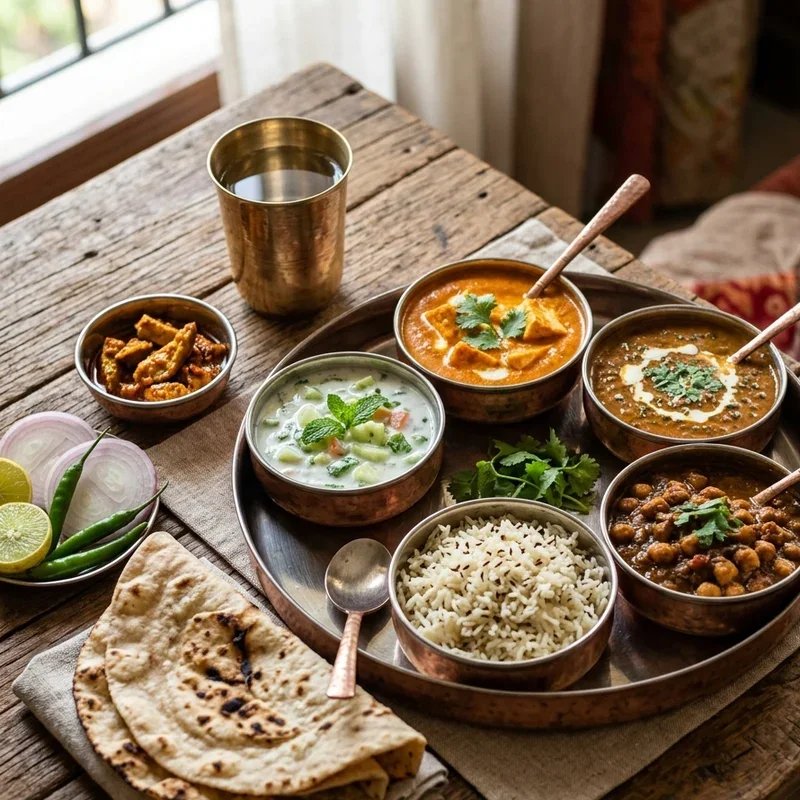
If there is one ingredient category that deserves most of the blame, it is legumes. Indian cuisine relies heavily on lentils, chickpeas, kidney beans, black-eyed peas, and a whole family of pulses that form the backbone of countless classic dishes. Dal alone comes in dozens of varieties, and nearly every thali you have ever seen includes some form of legume-based preparation.
So what makes these little powerhouses so problematic for your gut? It all comes down to a group of sugars called oligosaccharides, particularly one called raffinose. Your small intestine does not produce the enzyme needed to break down raffinose properly. Instead, these sugars pass through to your large intestine completely intact, where bacteria have a field day fermenting them. That fermentation process is exactly what produces all that extra gas.
The thing is, legumes are incredibly nutritious. They are packed with protein, fiber, iron, and B vitamins. Nobody is saying you should avoid them entirely. But if your body is not accustomed to processing them regularly, that bacterial fermentation kicks into high gear and the results can be pretty noticeable.
People who grow up eating lentils and beans daily tend to have gut bacteria that are better adapted to handling these sugars. Their digestive systems have essentially been trained over years of consistent exposure. If you only eat Indian food occasionally, your gut simply has not built up that same level of tolerance.
Spices Can Stir Things Up More Than You Think
Indian cooking is famous for its bold and complex spice blends, and while most of these spices are actually beneficial for digestion in moderate amounts, they can cause trouble when your system is not used to them.
Cumin, coriander, turmeric, mustard seeds, fenugreek, and asafoetida are just a few of the spices that show up regularly in Indian dishes. Many of these have carminative properties, meaning they can actually help reduce gas when used in small quantities. Funny enough, that is exactly why traditional Indian cooking includes them. Generations of cooks figured out long ago that certain spices help offset the gassy effects of beans and lentils.
However, there is a catch. When you eat a cuisine loaded with spices that your digestive system rarely encounters, the sudden introduction can irritate your gut lining and speed up motility. Faster digestion means food spends less time being broken down in your stomach and small intestine, which can lead to more undigested material reaching your colon. And more undigested material in the colon means more fermentation and more gas.
Chili peppers deserve a special mention here. Capsaicin, the compound that gives peppers their heat, is a known gut irritant for many people. It can trigger cramping, accelerate bowel movements, and contribute to that uncomfortable bloated feeling. If you are sensitive to spicy food in general, the heat level in many Indian dishes could be amplifying your symptoms considerably.
Why Does Indian Food Make Me Gassy? Explained Through Fiber Content
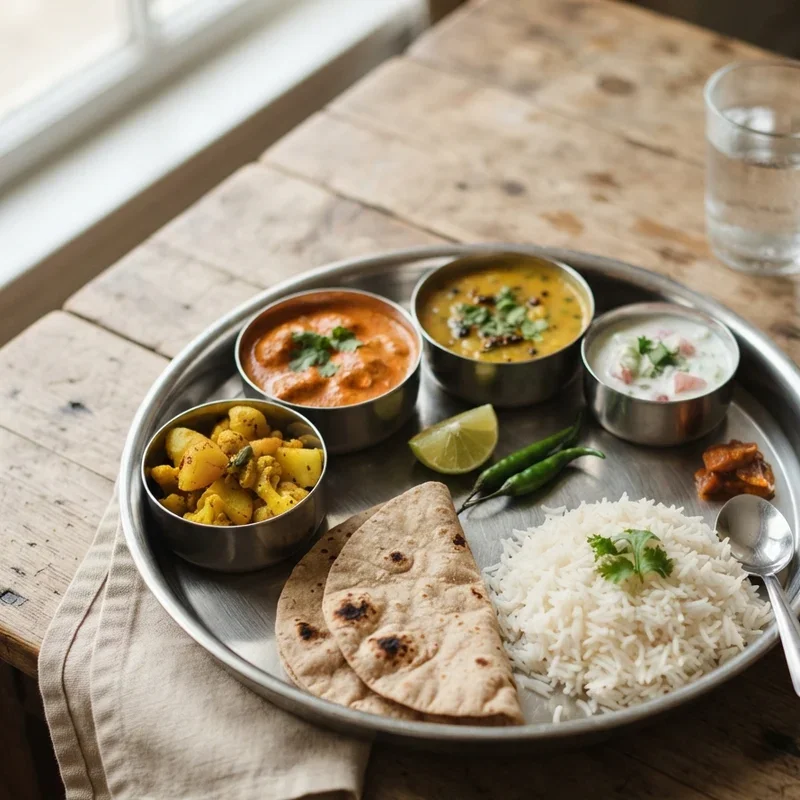
One aspect that often gets overlooked in this conversation is just how fiber-rich Indian food tends to be. Between the lentils, vegetables, whole wheat chapatis, and various plant-based preparations, a typical Indian meal can deliver a substantial fiber punch that your body might not be ready for.
Fiber is fantastic for your health. It supports heart function, regulates blood sugar, feeds beneficial gut bacteria, and keeps your digestive system running smoothly. But when you suddenly increase your fiber intake beyond what your body is accustomed to, the result is almost always gas and bloating.
Think of it this way. If you normally eat a diet that is relatively low in fiber and then sit down to a meal featuring dal, sabzi, whole wheat roti, and a side of raita with cucumber, you have just given your gut a fiber load it was not expecting. Your intestinal bacteria respond to that sudden influx by producing more gas than usual as they work to break everything down.
This is actually a temporary issue for most people. If you gradually increase your fiber intake over a few weeks, your digestive system adapts and the gas production typically settles down to normal levels. It is the sudden jump that causes all the drama.
Dairy Products and Lactose Sensitivity
Indian cuisine features dairy prominently, and this is another piece of the puzzle that catches a lot of people off guard. Ghee, paneer, cream-based curries, yogurt, and buttermilk are staples in many regional cooking styles. For anyone with even a mild degree of lactose intolerance, these ingredients can contribute significantly to gas and bloating.
Lactose intolerance is remarkably common worldwide. Some estimates suggest that roughly 65 to 70 percent of the global adult population has some reduced ability to digest lactose after childhood. The condition is particularly prevalent in East Asian, African, and Mediterranean populations, though it can affect anyone regardless of background.
When lactose is not properly digested in the small intestine, it travels to the colon where bacteria ferment it and produce hydrogen, carbon dioxide, and methane gas. Sound familiar? It is the same basic mechanism that causes gas from legumes, just with a different sugar molecule triggering the process.
What makes this tricky is that many people do not realize they have a sensitivity to lactose. They might handle a splash of milk in their coffee just fine but struggle when they eat a rich paneer tikka masala loaded with cream and cheese. The cumulative dairy load in a full Indian meal can push them past their tolerance threshold.
Onions and Garlic Play a Role Too
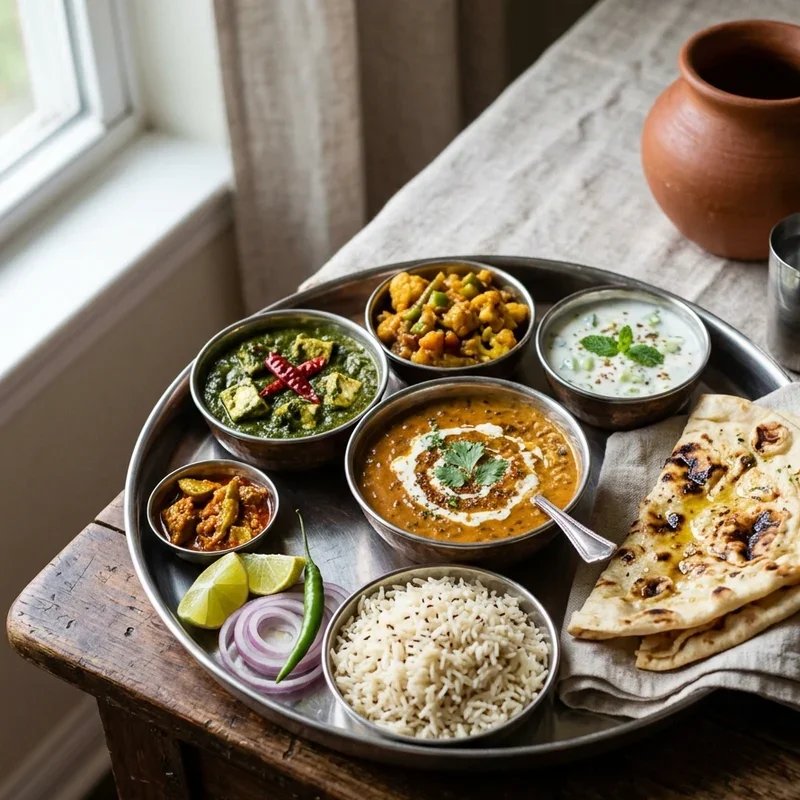
If you have ever noticed that your stomach seems more unsettled after eating certain Indian dishes compared to others, onions and garlic could be part of the explanation. These two aromatics are foundational to Indian cooking, appearing in practically every curry, gravy, and stir-fry you can think of.
Both onions and garlic contain fructans, which are a type of carbohydrate that belongs to the FODMAP family. FODMAPs are fermentable sugars that are notorious for causing digestive distress in sensitive individuals. Your small intestine absorbs fructans poorly, so they end up in the colon where bacteria feast on them and produce gas as a byproduct.
The base of most Indian curries starts with a generous amount of onions cooked down with garlic, ginger, and spices. This means you are getting a concentrated dose of fructans in nearly every bite. For people who are sensitive to FODMAPs, this can be a significant contributor to post-meal discomfort.
It is worth mentioning that cooking onions and garlic does reduce their fructan content somewhat compared to eating them raw. But the sheer volume used in Indian cooking means you are still getting a substantial amount even after they have been sauteed or caramelized.
The Oil and Fat Factor
Indian cooking often uses generous amounts of oil, ghee, or butter to build flavor and achieve the right texture. While fat itself does not directly produce gas, it does slow down gastric emptying. This means food sits in your stomach longer, which can create a feeling of fullness and bloating that many people interpret as gassiness.
When digestion slows down, the food in your intestines has more time to ferment before it moves through. This extended fermentation window can increase gas production, especially when the meal already contains plenty of gas-producing ingredients like legumes and high-fiber vegetables.
Rich, heavy curries that are swimming in oil or cream are particularly likely to cause this effect. Your body has to work harder and longer to process all that fat, and the cascading effect on digestion can leave you feeling uncomfortable for hours after eating.
Practical Ways to Reduce Gas from Indian Food
Now that you understand the why behind the bloating, let us talk about solutions. You do not have to give up Indian food to feel comfortable. A few smart strategies can make a world of difference.
Soaking dried lentils and beans before cooking them is one of the most effective steps you can take. Soaking for at least four to six hours, and ideally overnight, helps leach out some of those troublesome oligosaccharides. Rinsing them thoroughly after soaking removes even more of the gas-producing sugars. Many traditional Indian recipes actually call for this step, and there is a very good reason for it.
Introducing Indian food into your diet gradually rather than going all in at once gives your gut bacteria time to adjust. Start with smaller portions and milder dishes, then work your way up to more complex meals over a few weeks. Your microbiome is surprisingly adaptable when given the chance to acclimate slowly.
Taking a digestive enzyme supplement containing alpha-galactosidase before your meal can help break down those oligosaccharides before they reach your colon. These supplements are widely available over the counter and can be genuinely helpful for occasional indulgence.
Paying attention to which specific dishes trigger the worst symptoms is also valuable. You might discover that you handle dal just fine but struggle with chole, or that cream-based curries bother you more than tomato-based ones. Everyone's digestive system is a little different, and identifying your personal triggers allows you to make smarter choices without sacrificing enjoyment.
Drinking plenty of water throughout and after your meal helps keep things moving through your digestive tract at a healthy pace. Staying hydrated supports the entire digestive process and can minimize the time that food sits and ferments in your intestines.
Why Does Indian Food Make Me Gassy? Explained by Looking at Gut Adaptation
One of the most fascinating aspects of this whole topic is how much your gut microbiome influences your response to different cuisines. The bacteria living in your intestines are shaped by your dietary habits over months and years. People who eat Indian food regularly develop bacterial communities that are better equipped to handle legumes, fiber, and complex spice profiles.
This is why someone who grew up eating dal and roti every day might have zero digestive complaints from the same meal that leaves you feeling like a balloon. Their gut has had a lifetime to cultivate the right mix of bacteria. Yours has not, and that is perfectly okay.
The encouraging part is that your microbiome can change. Research has shown that significant shifts in gut bacteria can occur within just a few days of dietary changes. By incorporating Indian-style foods into your regular rotation, even in small amounts, you are essentially training your digestive system to handle them more efficiently over time.
When Gas Might Signal Something More Serious
While occasional gas after eating Indian food is completely normal, persistent or severe digestive symptoms might warrant a conversation with your doctor. Conditions like irritable bowel syndrome, inflammatory bowel disease, small intestinal bacterial overgrowth, and celiac disease can all cause exaggerated responses to certain foods.
If you notice that your symptoms are getting worse over time, are accompanied by pain, weight loss, or changes in bowel habits, it is worth getting checked out. A healthcare professional can help rule out underlying conditions and may recommend specific dietary modifications or treatments tailored to your situation.
Conclusion
Understanding why does Indian food make me gassy explained through the lens of ingredients and digestion takes the mystery out of post-meal discomfort. Legumes, fiber, dairy, spices, and FODMAPs all play their part, but none of them should keep you from enjoying this incredible cuisine. By soaking your beans, building tolerance gradually, and knowing your personal triggers, you can savor every bite of that biryani without worrying about what comes next.
Read next: 15 Indian Brunch Ideas for a Flavorful Morning Feast
Frequently Asked Questions
1.Why do lentils in Indian food cause so much gas?
Lentils contain raffinose sugars that gut bacteria ferment, producing excess gas during digestion naturally.
2.Can I prevent gas from Indian food completely?
You cannot eliminate gas entirely, but soaking legumes and eating gradually reduces symptoms significantly.
3.Does yogurt in Indian meals help reduce bloating?
Yogurt contains probiotics that can aid digestion, but lactose-sensitive individuals may experience more gas.
4.Are certain Indian dishes less likely to cause gas?
Tandoori grilled meats and simple vegetable dishes without heavy legumes tend to cause less gas.
5.How long does gas from Indian food typically last?
Gas from a single Indian meal usually subsides within six to twelve hours for most people.
Stay up to date with our latest ideas!