15 Breakfast Ideas for Babies to Start the Day Right
Discover 15 nutritious breakfast ideas for babies that combine taste and health. Start your little one's day with delicious, easy-to-prepare meals.
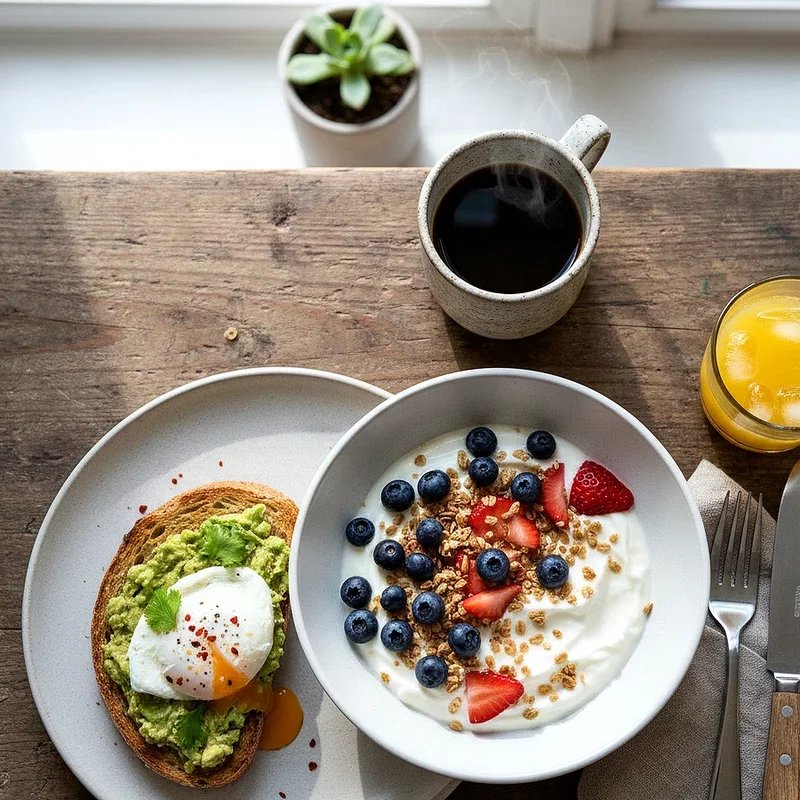
Have you ever watched your baby's face light up at the first bite of a delicious breakfast? Those precious morning moments set the tone for their entire day, making breakfast the most important meal for your little one. As parents, we want to provide meals that fuel growth, support development, and introduce exciting flavors to curious taste buds. Finding the perfect balance between nutrition and appeal can feel like solving a puzzle, especially when dealing with a picky eater or a baby just starting solids. This comprehensive guide presents fifteen creative breakfast ideas that transform ordinary mornings into nutritious adventures. Each option has been carefully selected to meet developmental needs while encouraging healthy eating habits. Whether your baby prefers sweet or savory, smooth or textured, you'll discover practical solutions that make breakfast preparation enjoyable rather than stressful.
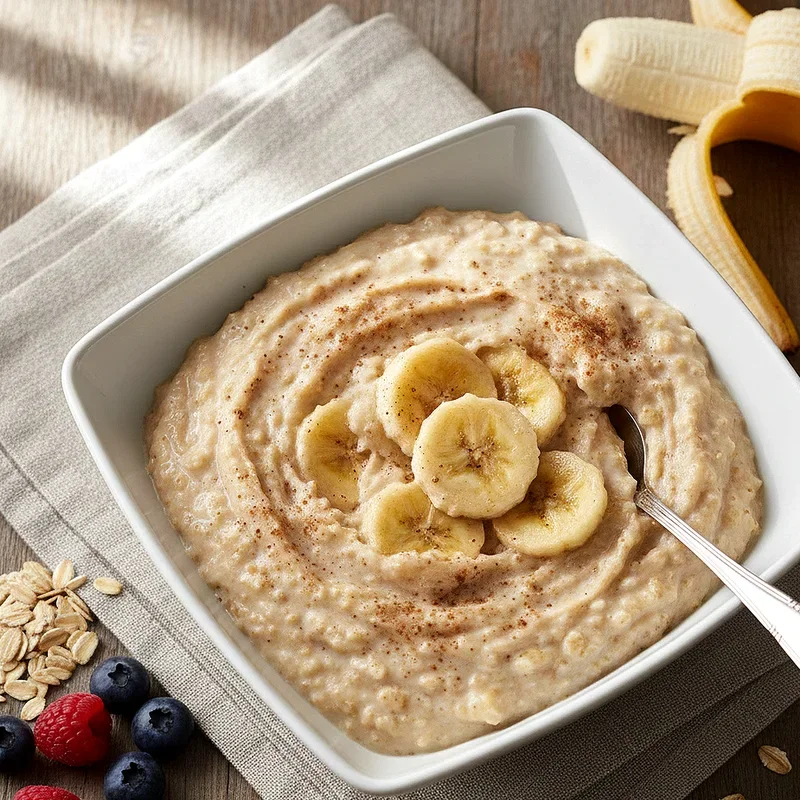
1. Mashed Banana with Oatmeal
Starting your baby's day with mashed banana and oatmeal creates a powerhouse combination that delivers essential nutrients in every spoonful. Bananas provide natural sweetness along with potassium, which supports healthy muscle function and heart development in growing babies. The creamy texture of ripe bananas blends seamlessly with cooked oatmeal, creating a consistency that's easy for babies to swallow and digest. Oats contribute soluble fiber that promotes digestive health while keeping your little one satisfied throughout the morning. This breakfast requires minimal preparation time, making it perfect for busy mornings when you need something quick yet nutritious. Simply cook oats according to package directions, mash a ripe banana, and combine them while the oatmeal is still warm. The warmth helps release the banana's natural sugars, enhancing the overall flavor profile without adding processed sweeteners.
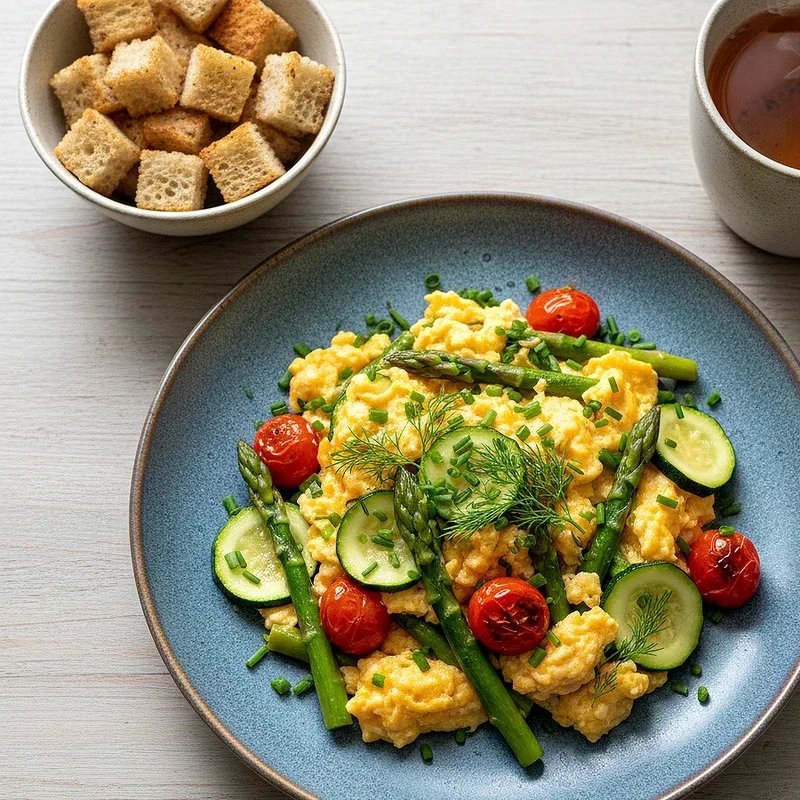
2. Scrambled Eggs with Soft Vegetables
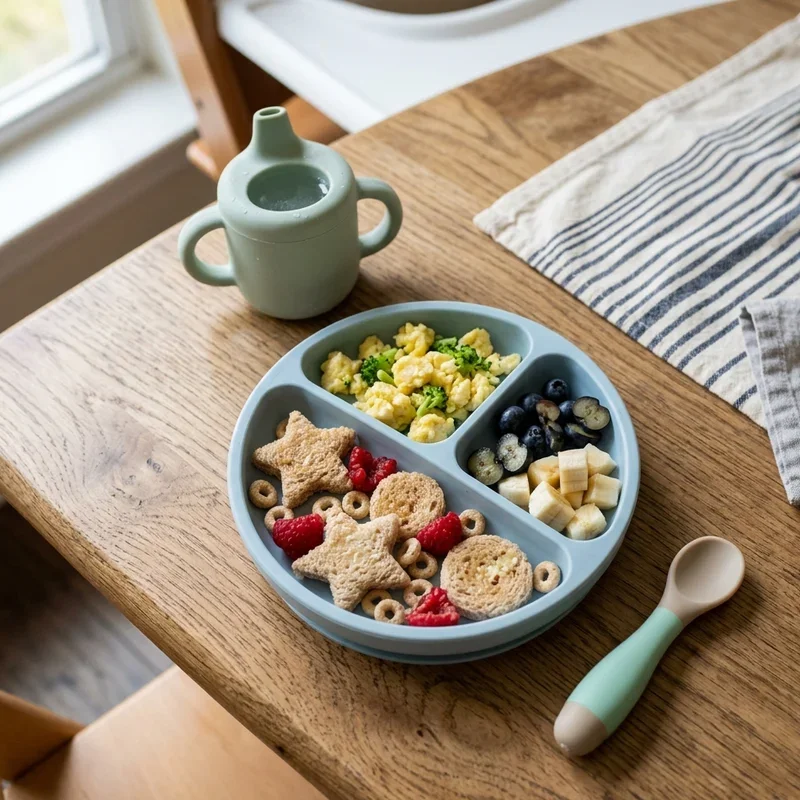
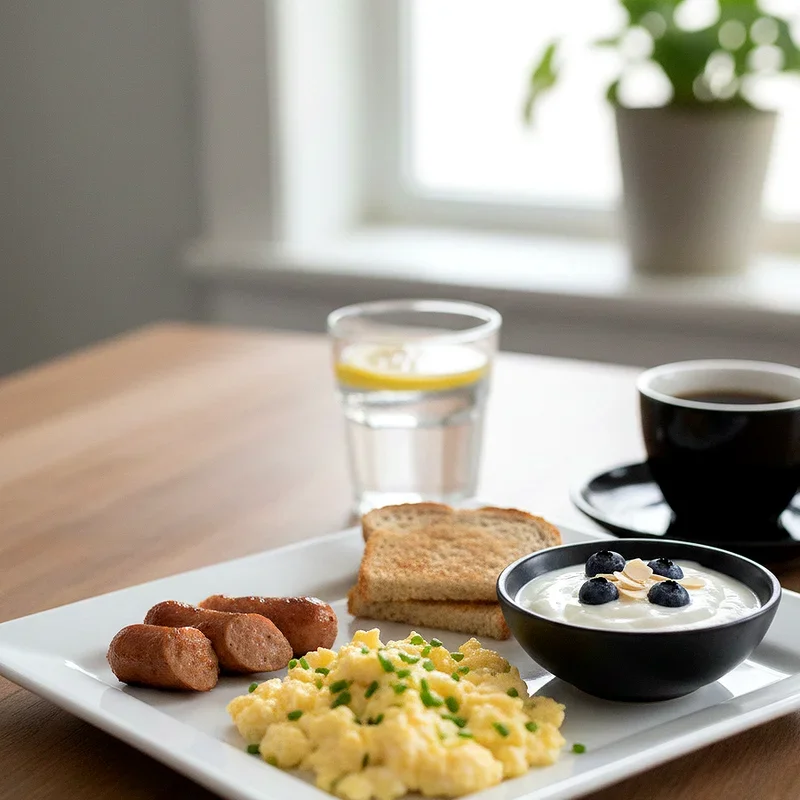
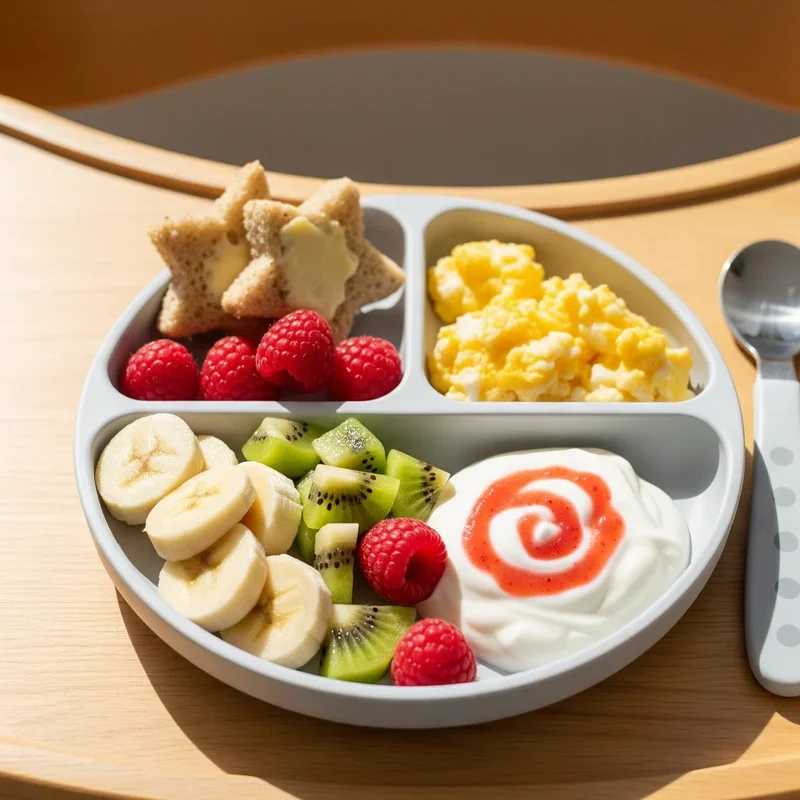
Scrambled eggs offer high-quality protein that supports your baby's rapid growth and brain development during these crucial early months. Adding finely chopped soft vegetables like tomatoes, spinach, or bell peppers introduces new flavors while boosting the nutritional value of this classic breakfast. The soft, fluffy texture of properly scrambled eggs makes them ideal for babies learning to chew and manage different food consistencies. Eggs contain choline, an essential nutrient for brain health that plays a vital role in memory and cognitive function. Preparing this meal requires gentle cooking over low heat to achieve that perfect creamy consistency babies love. Avoid adding salt or heavy seasonings, letting the natural flavors shine through instead. You can scramble eggs with a small amount of butter or olive oil for healthy fats that support development.
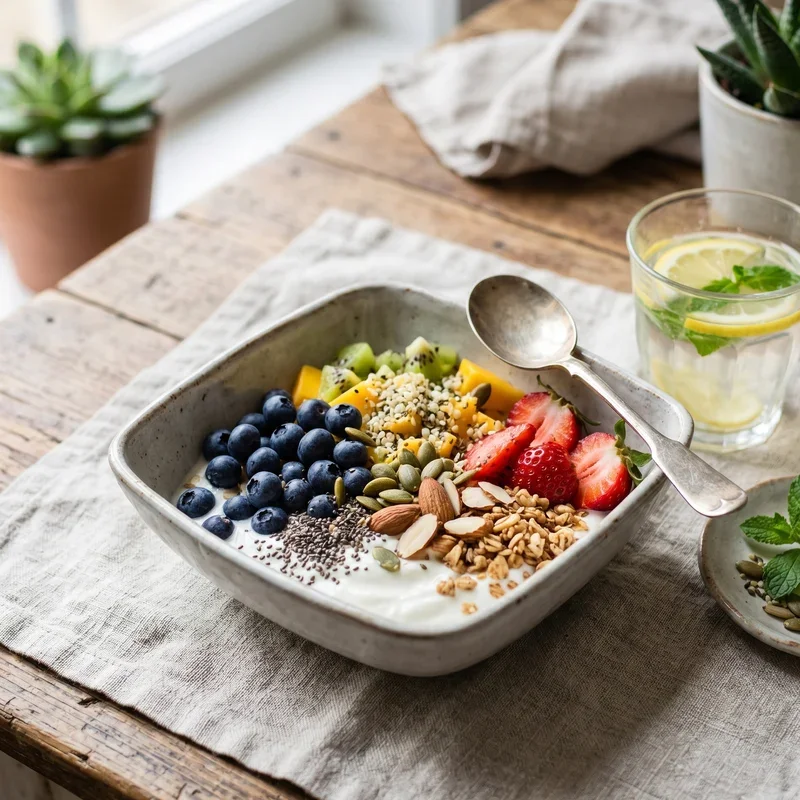
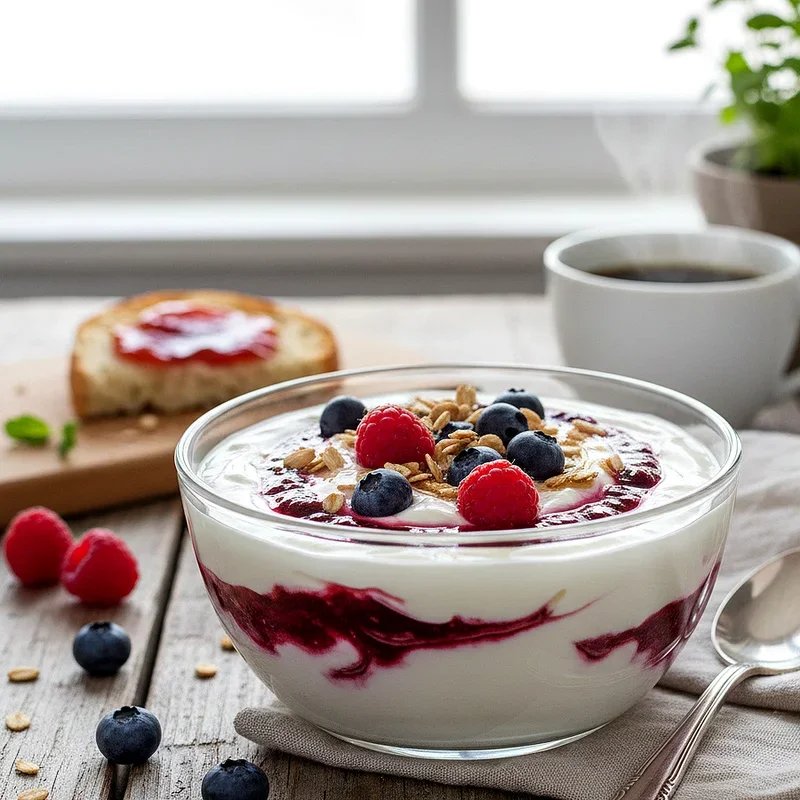
3. Greek Yogurt with Pureed Berries
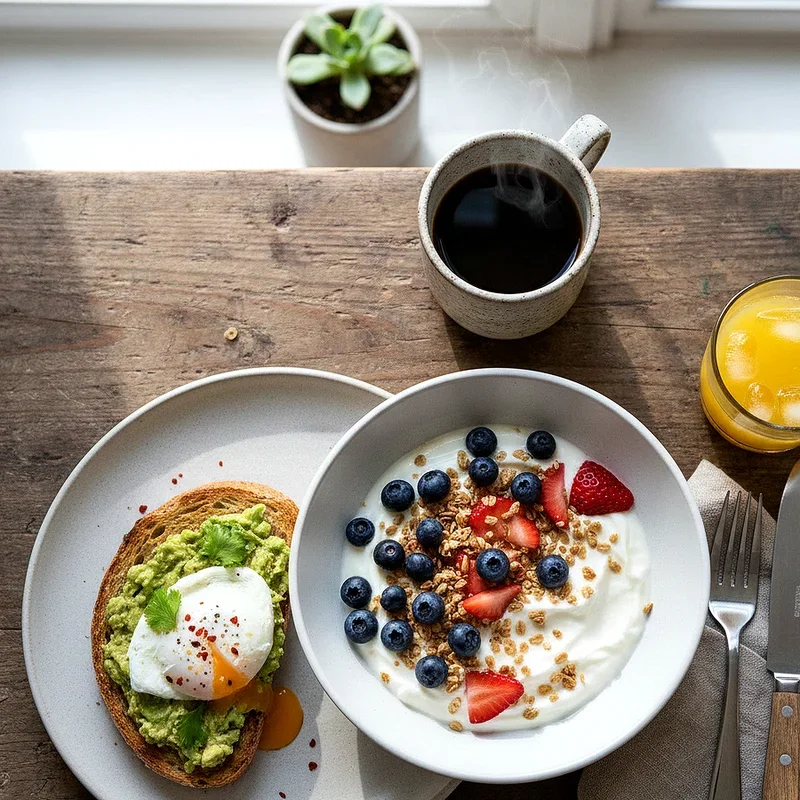
Greek yogurt stands out as an excellent breakfast choice because it contains more protein than regular yogurt, supporting muscle development and sustained energy. The thick, creamy texture appeals to babies while providing probiotics that promote healthy gut bacteria and strengthen immune function. Mixing in pureed berries adds natural sweetness, vibrant color, and a dose of antioxidants that protect growing cells from damage. Berries like blueberries, strawberries, and raspberries offer vitamin C, which helps the body absorb iron from other foods your baby consumes. This combination requires no cooking, making it an effortless option for those hectic mornings when time is limited. Choose plain, full-fat Greek yogurt without added sugars or artificial flavors to ensure optimal nutrition. The fat content in full-fat yogurt supports brain development and helps babies absorb essential fat-soluble vitamins.
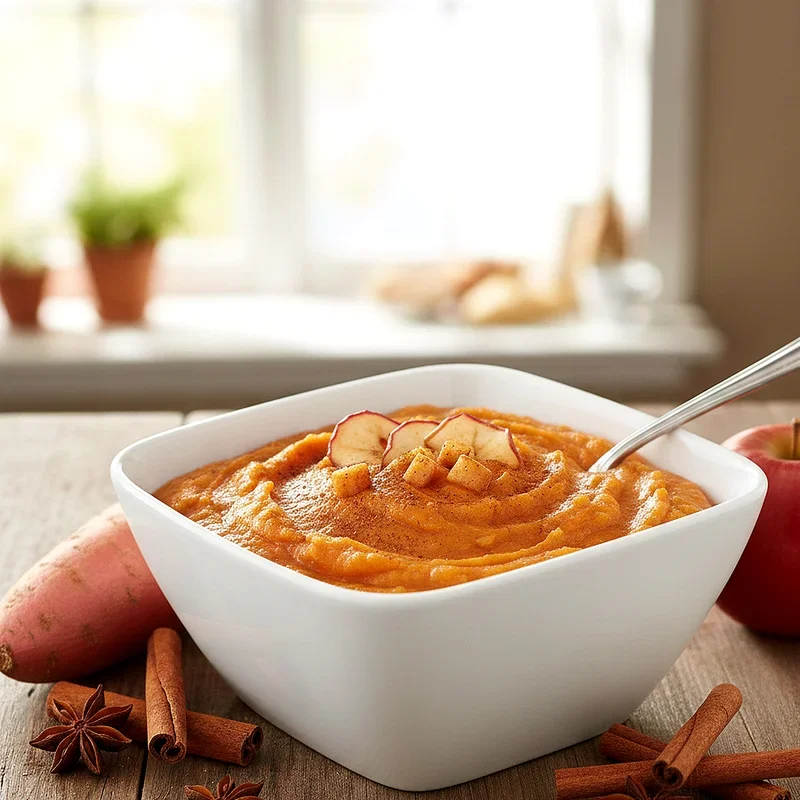
4. Sweet Potato and Apple Puree
Sweet potato and apple puree combines two naturally sweet ingredients that babies instinctively love while delivering impressive nutritional benefits. Sweet potatoes are loaded with beta-carotene, which the body converts to vitamin A for healthy vision, skin, and immune function. The natural sugars in apples complement the earthiness of sweet potatoes, creating a balanced flavor profile that introduces babies to different taste combinations. This puree's smooth consistency makes it suitable for babies just beginning their solid food journey or those still mastering the art of swallowing. Both ingredients are gentle on developing digestive systems while providing dietary fiber that promotes regular bowel movements. Roasting or steaming the sweet potato brings out its natural sweetness and makes it easier to blend into a silky puree that babies enjoy with every spoonful.
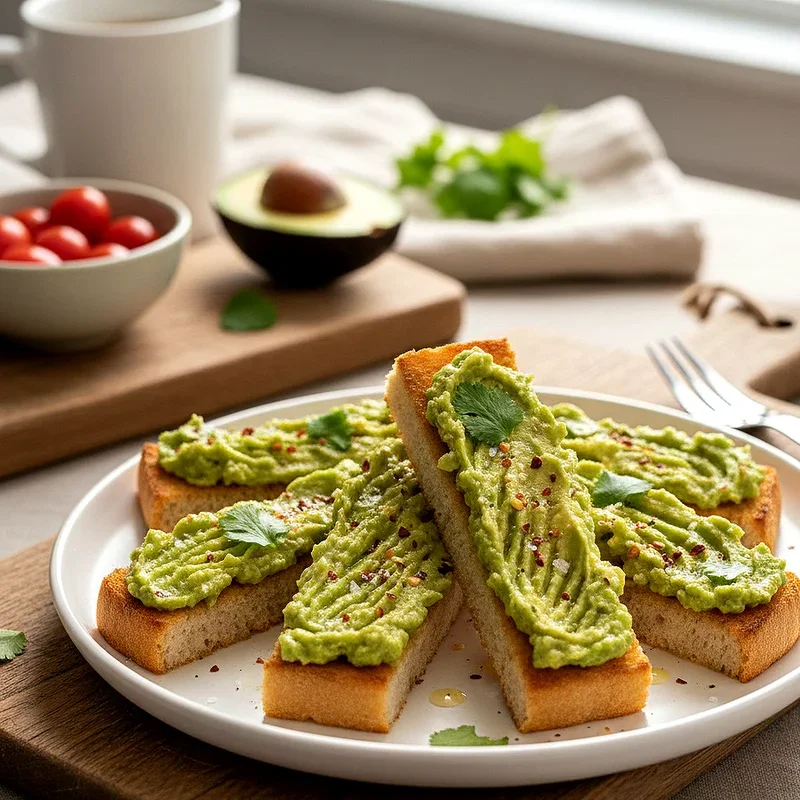
5. Avocado Toast Fingers
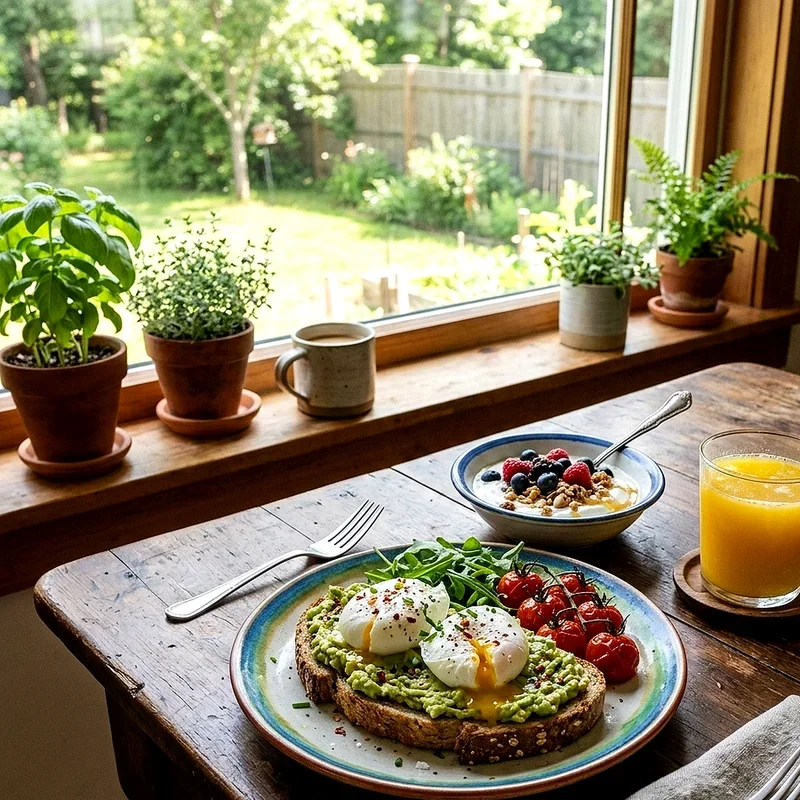
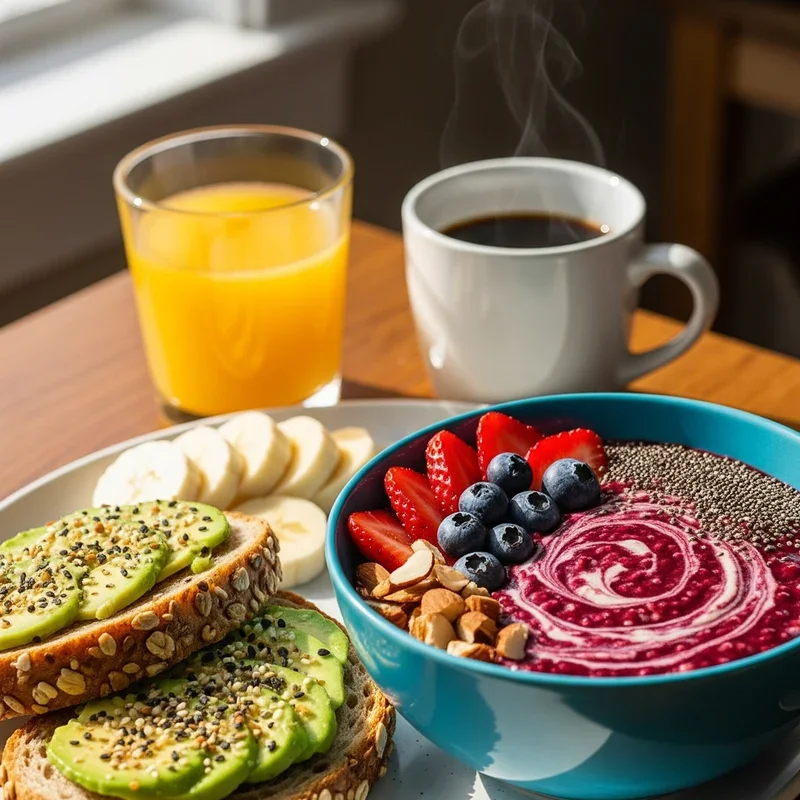
Avocado toast fingers transform a trendy adult breakfast into a baby-friendly finger food that encourages self-feeding and fine motor skill development. Avocados contain healthy monounsaturated fats that support brain development and provide sustained energy throughout the morning hours. The creamy texture of mashed avocado spreads easily onto whole grain toast, which adds complex carbohydrates and fiber for digestive health. Cutting the toast into finger-sized strips creates perfect portions for little hands to grasp, promoting independence and hand-eye coordination. This breakfast introduces babies to different textures, with the soft avocado contrasting against the slightly firmer toast underneath. Choose whole grain bread that's lightly toasted to create a texture that's easy to gum but not too hard for developing teeth. Mash ripe avocado with a fork until smooth and spread generously on toast strips.
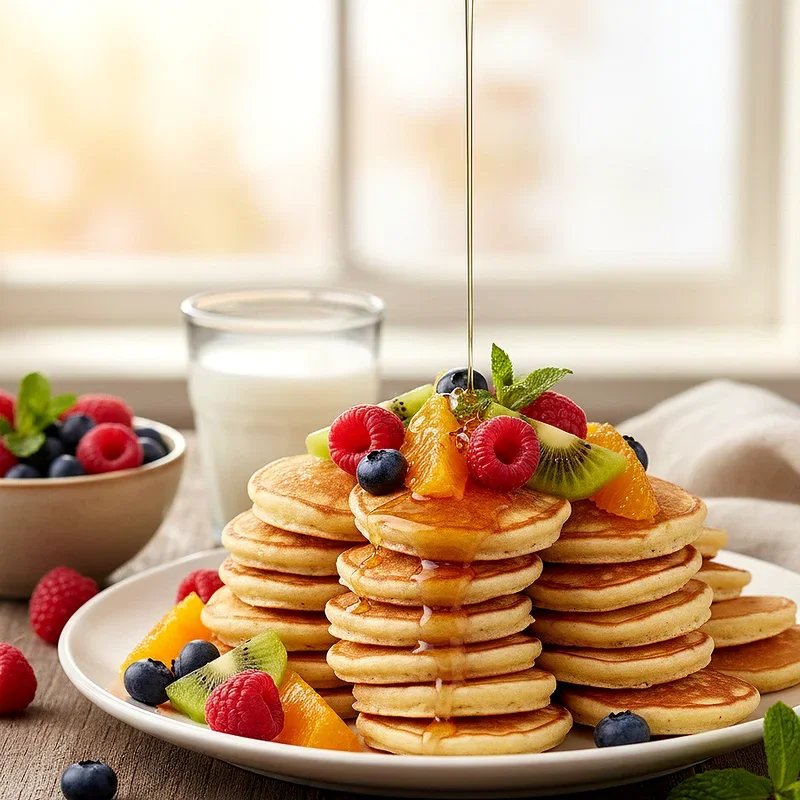
6. Mini Pancakes with Fruit
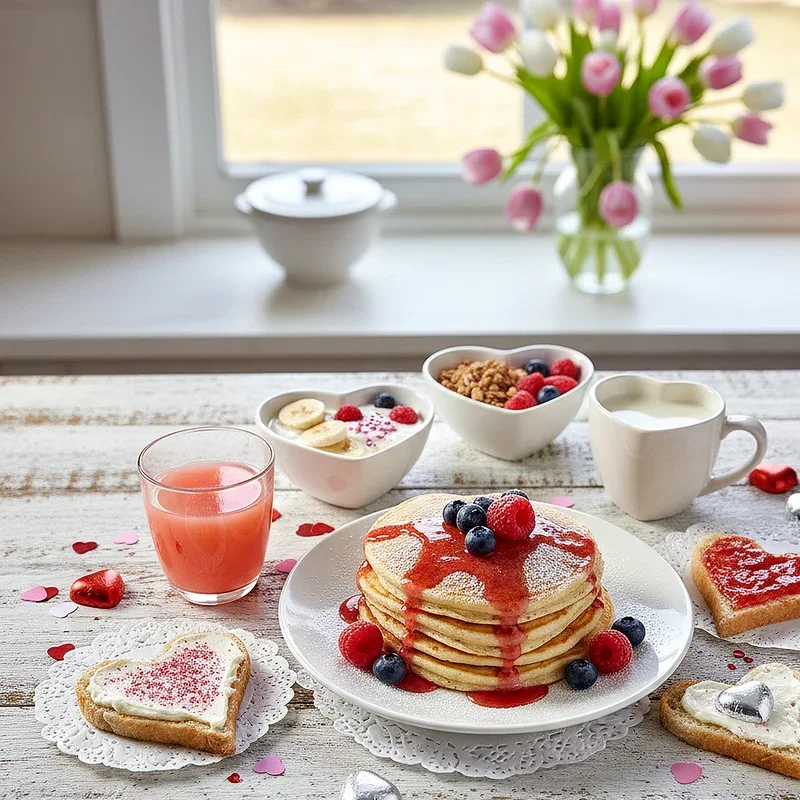
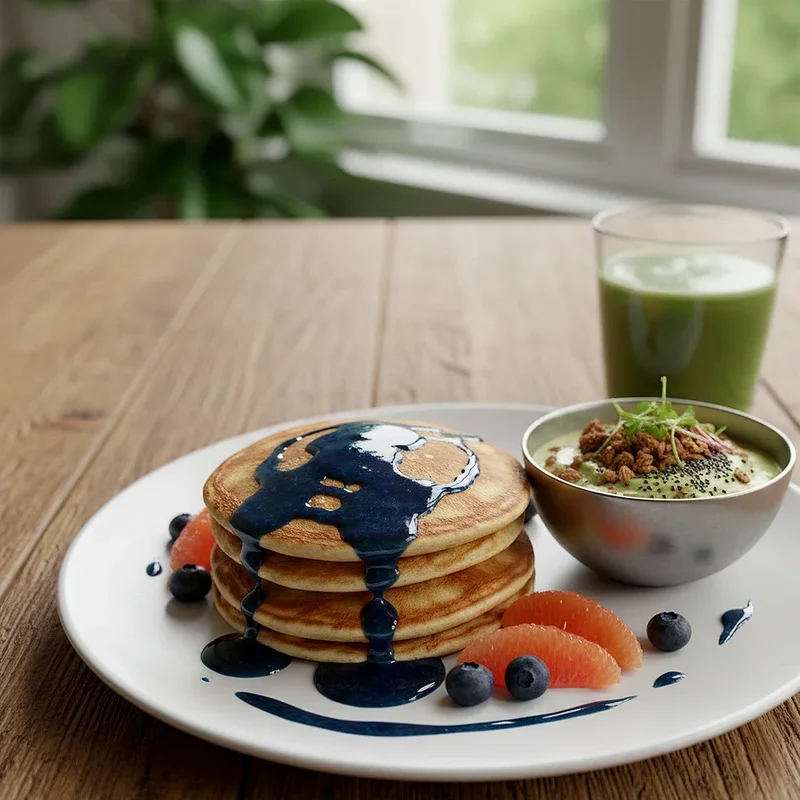
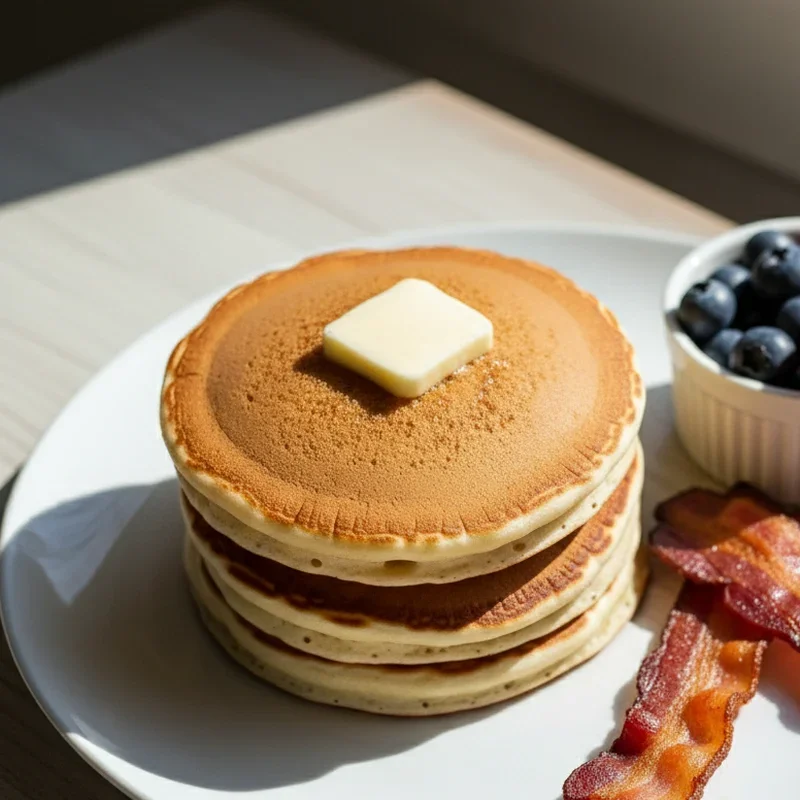
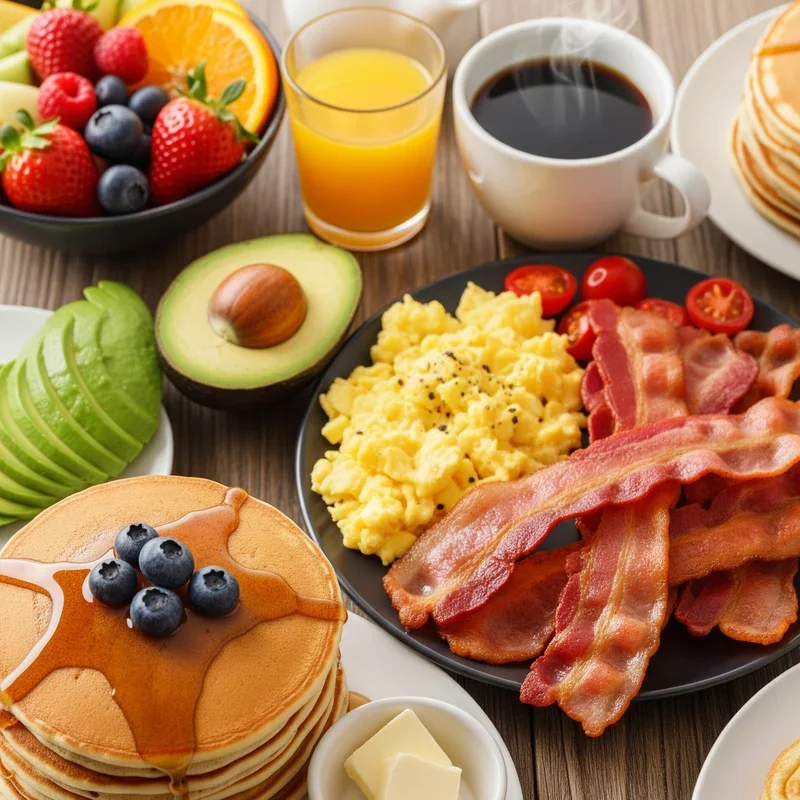
Mini pancakes offer endless possibilities for customization while providing carbohydrates that fuel your baby's active morning exploration and play. Making them smaller than traditional pancakes creates ideal portions for tiny hands and mouths, reducing choking hazards while encouraging self-feeding. You can incorporate mashed bananas, applesauce, or pureed pumpkin directly into the batter for added nutrition and natural sweetness. These additions also create a moister pancake that's easier for babies to chew and swallow without difficulty. Whole wheat flour boosts the fiber content compared to white flour, supporting digestive health and providing longer-lasting energy. Top the mini pancakes with small pieces of soft fruit like sliced strawberries, blueberries, or diced peaches for added vitamins and minerals. Cook pancakes on a griddle over medium heat until bubbles form on the surface for perfect results.
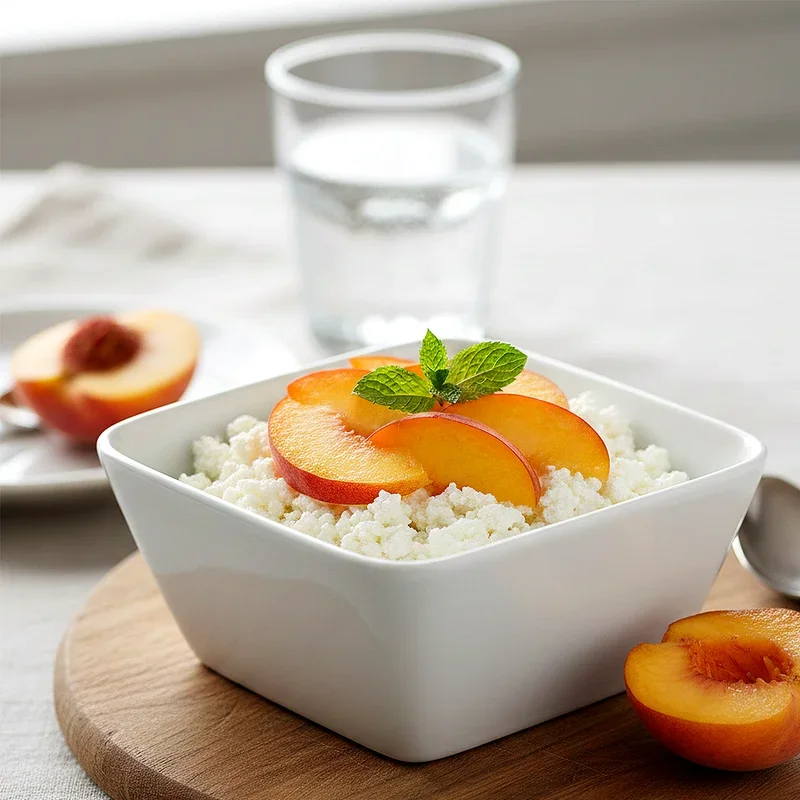
7. Cottage Cheese with Peach Slices
Cottage cheese provides an excellent source of protein and calcium, two nutrients essential for building strong bones and supporting overall growth. The soft, lumpy texture introduces babies to different consistencies while remaining easy to eat and digest without causing discomfort. Full-fat cottage cheese contains the healthy fats necessary for brain development during these rapid growth months. Pairing cottage cheese with sweet, juicy peach slices creates a delightful contrast in flavors and textures that keeps meals interesting and engaging. Peaches offer vitamins A and C along with natural sugars that satisfy a baby's preference for sweet tastes. This combination requires no cooking or complicated preparation, making it perfect for those mornings when simplicity is key. Choose cottage cheese with small curds for easier eating, or briefly pulse it in a food processor for a smoother consistency.
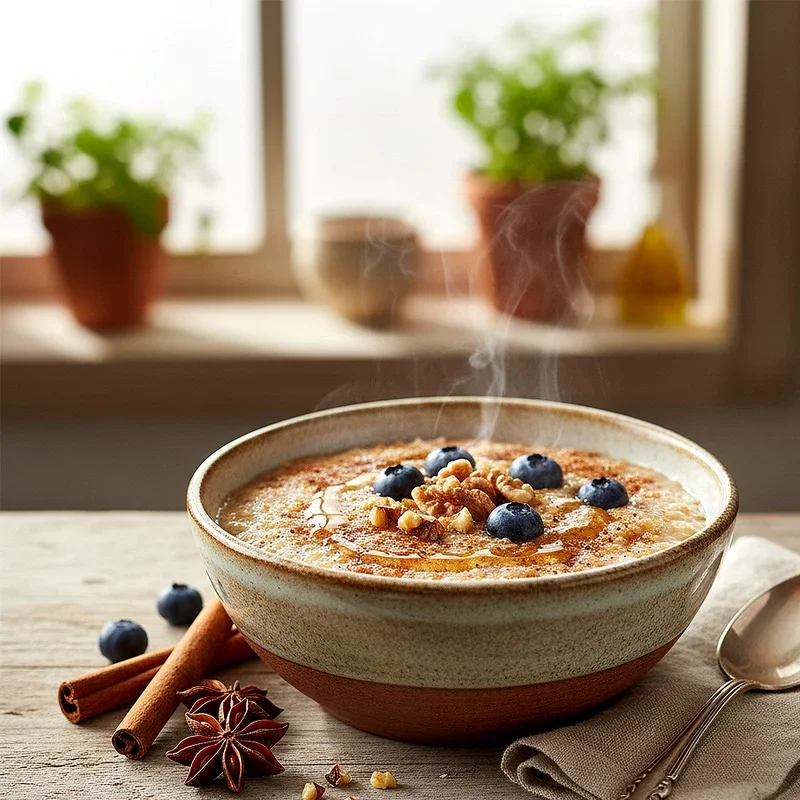
8. Quinoa Porridge with Cinnamon
Quinoa porridge presents a nutritious alternative to traditional oatmeal, offering complete protein with all nine essential amino acids for optimal growth. This ancient grain cooks into a soft, creamy consistency that babies find easy to eat while providing iron, magnesium, and zinc. The mild, slightly nutty flavor of quinoa serves as a perfect canvas for adding warming spices like cinnamon. Cinnamon not only enhances flavor without adding sugar but also contains antioxidants that support immune health and reduce inflammation. Preparing quinoa porridge involves cooking the grain in milk or water until tender and creamy, similar to making traditional porridge. The protein content helps keep babies satisfied longer than simple carbohydrate-based breakfasts, reducing mid-morning hunger and crankiness. Rinse quinoa thoroughly before cooking to remove its natural coating, which can taste slightly bitter.
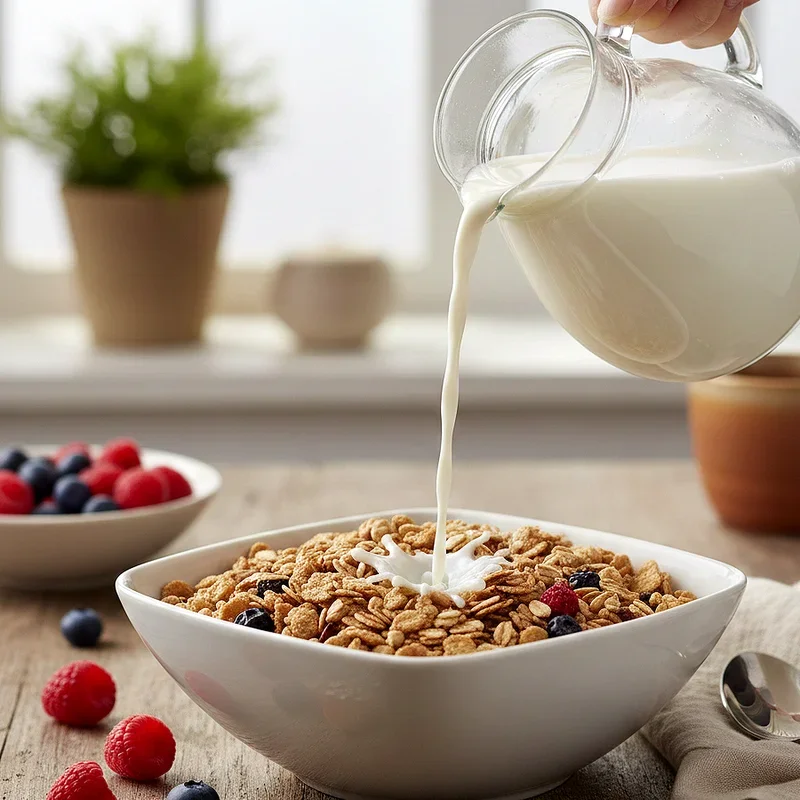
9. Whole Grain Cereal with Milk
Whole grain cereal fortified with iron provides a convenient breakfast option that addresses one of the most common nutritional deficiencies in babies. Iron supports healthy blood development and cognitive function, making it particularly important during the rapid growth of the first year. Mixing cereal with breast milk or formula maintains familiar flavors while introducing new textures and experiences during mealtimes. The gradual progression from thin, soupy cereal to thicker consistencies helps babies develop chewing skills at their own comfortable pace. Fortified cereals often contain additional vitamins and minerals like zinc and B vitamins that support various aspects of development. This breakfast requires minimal effort, simply mixing cereal powder with liquid to achieve the desired consistency for your baby's stage. Start with a very thin mixture for beginners and gradually thicken it as your baby becomes more comfortable with eating solids.
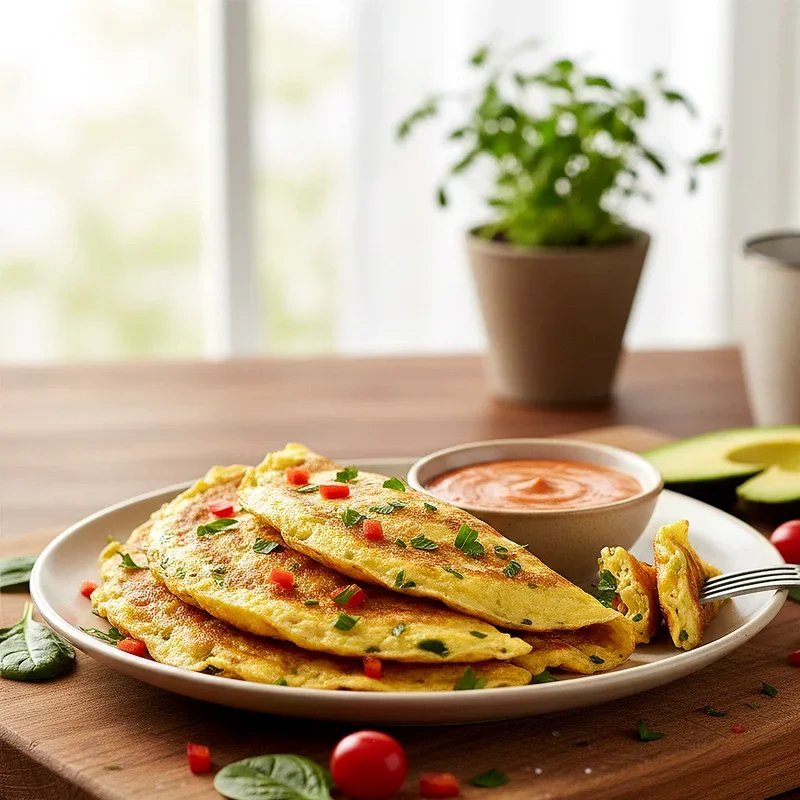
10. Veggie Omelet Strips
Veggie omelet strips combine the protein power of eggs with the nutritional benefits of colorful vegetables in one appealing breakfast. This meal introduces babies to multiple food groups simultaneously, exposing them to various flavors, colors, and textures in a single dish. Finely dicing vegetables like zucchini, carrots, or mushrooms ensures they cook thoroughly and blend seamlessly into the egg mixture. The strip format makes this breakfast easy for babies to hold and eat independently, fostering self-feeding skills and confidence. Eggs provide choline for brain development while vegetables contribute vitamins, minerals, and fiber for overall health and digestive function. Cooking omelets until fully set creates a safer consistency than runny eggs, which aren't recommended for babies under one year. Beat eggs well before adding vegetables and cook over medium-low heat to prevent burning while ensuring thorough cooking throughout.
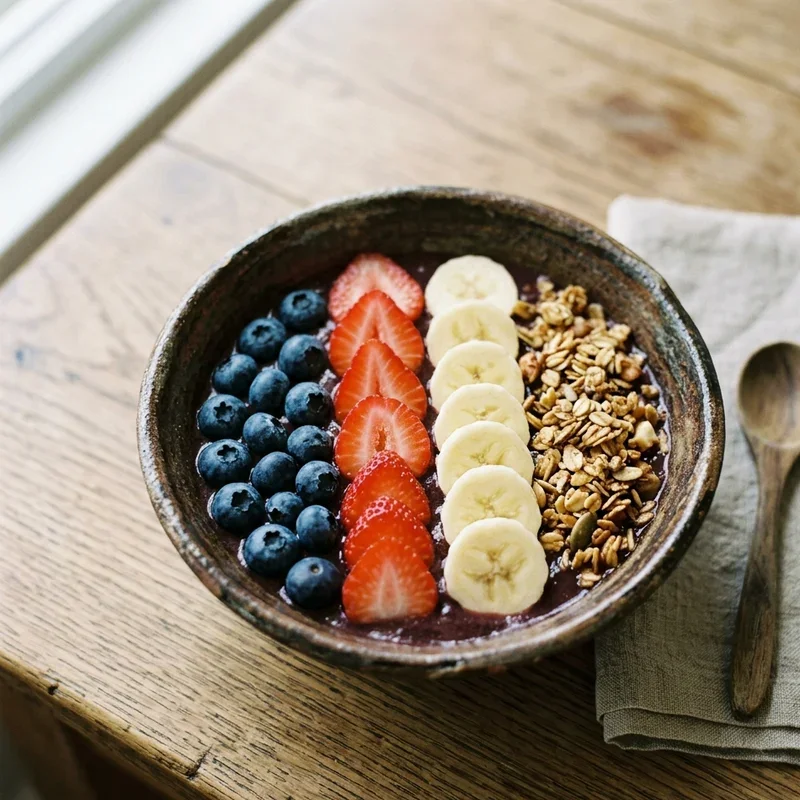
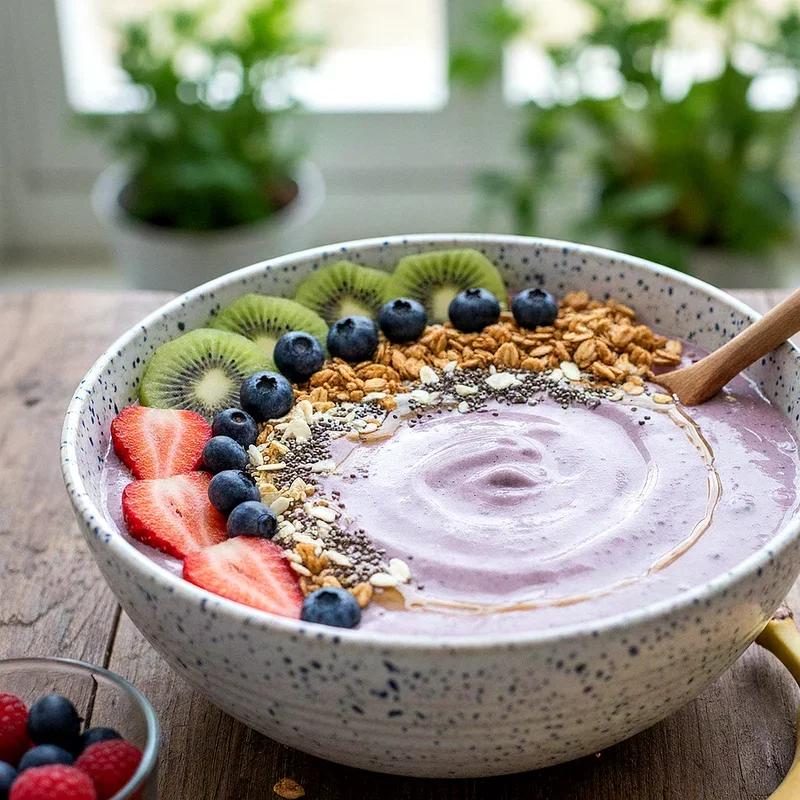
11. Smoothie Bowl for Beginners
Smoothie bowls offer concentrated nutrition in a fun, colorful format that makes healthy eating feel like a special treat. Blending fruits with yogurt or milk creates a thick, spoonable consistency that's easier for babies to manage than drinking from cups. The vibrant colors of different fruits make this breakfast visually appealing, potentially encouraging babies who might be hesitant about trying new foods. You can customize smoothie bowls endlessly, using whatever fruits are in season or readily available in your kitchen. Adding ingredients like spinach or avocado boosts nutrition without significantly altering the sweet fruit flavors babies naturally prefer. The cold temperature can be soothing for babies experiencing teething discomfort while still providing essential nutrients. Blend frozen bananas with berries and a splash of milk until smooth and thick, adding more liquid if needed for the perfect consistency.
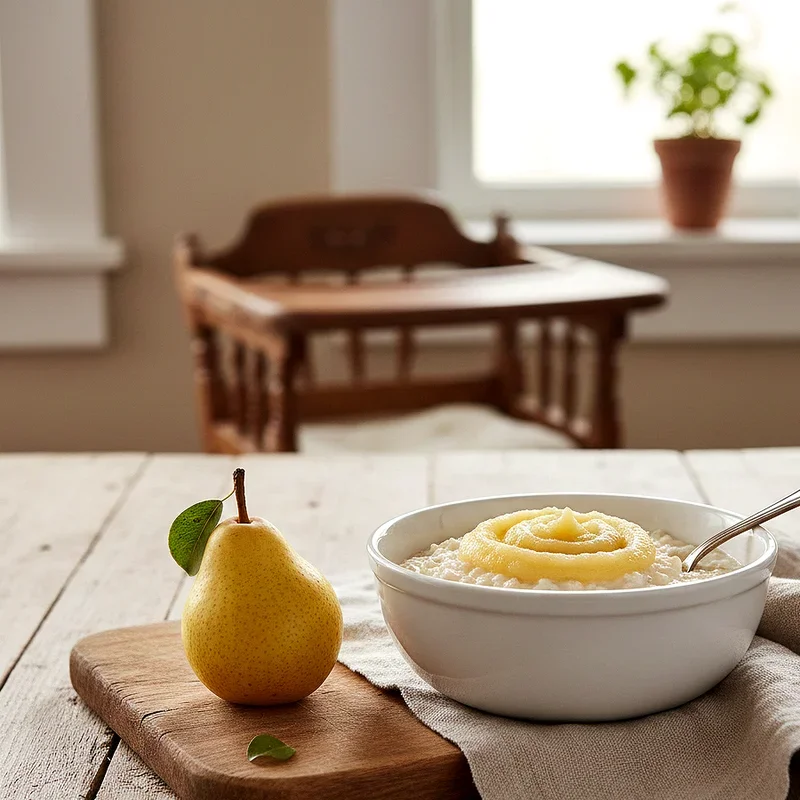
12. Rice Cereal with Mashed Pear
Rice cereal with mashed pear creates a gentle, easily digestible breakfast perfect for babies with sensitive stomachs or those new to solids. Rice cereal is often recommended as one of the first solid foods because it rarely causes allergic reactions and has a mild taste. Pears offer natural sweetness along with fiber that supports healthy digestion and prevents constipation, a common concern for babies starting solids. The combination of cereal's smooth texture with pear's slight graininess introduces textural variety while remaining easy to eat. Pears contain vitamin C and copper, minerals that support immune function and overall development during these crucial early months. This breakfast is particularly useful for babies transitioning from purely liquid diets to more solid foods gradually. Cook or steam pears until very soft, then mash thoroughly with a fork until reaching a consistency suitable for your baby's developmental stage.
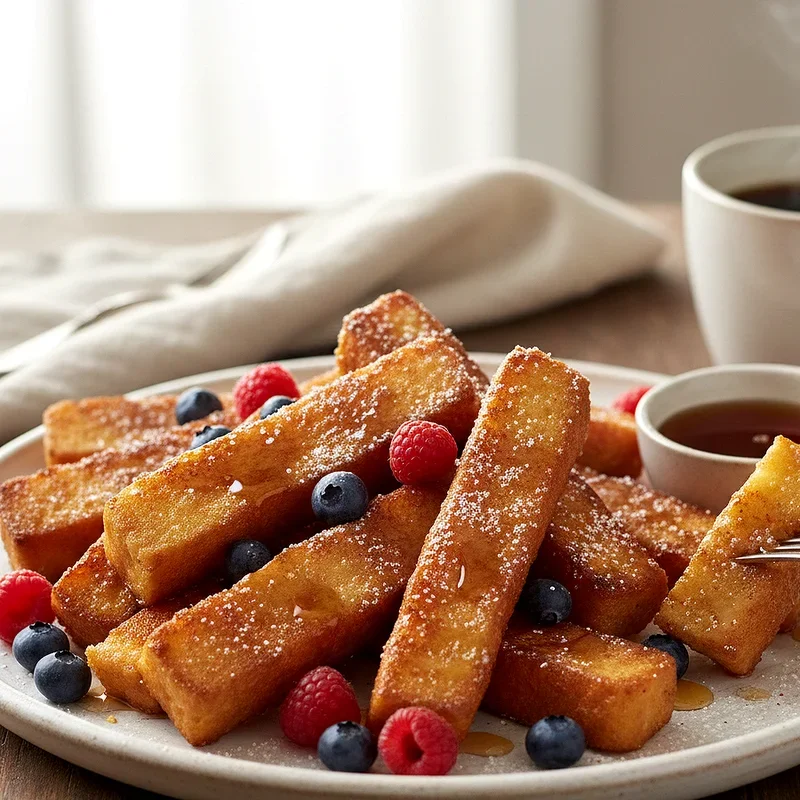
13. French Toast Sticks
French toast sticks transform ordinary bread into a protein-enriched breakfast that babies can easily grasp and enjoy independently. Dipping bread in beaten eggs before cooking adds protein while creating a softer texture that's easier for developing teeth to manage. The slightly sweet flavor appeals to babies' natural preferences without requiring added sugar or artificial sweeteners. Cutting the cooked French toast into stick shapes creates perfect finger food portions that encourage self-feeding and motor skill development. This breakfast introduces babies to the concept of bread-based meals while providing more nutrition than plain toast alone. Using whole grain bread boosts the fiber and nutrient content compared to white bread varieties available in stores. Beat eggs with a small amount of milk, dip bread slices briefly, and cook on a buttered griddle until golden brown on both sides for the best results.
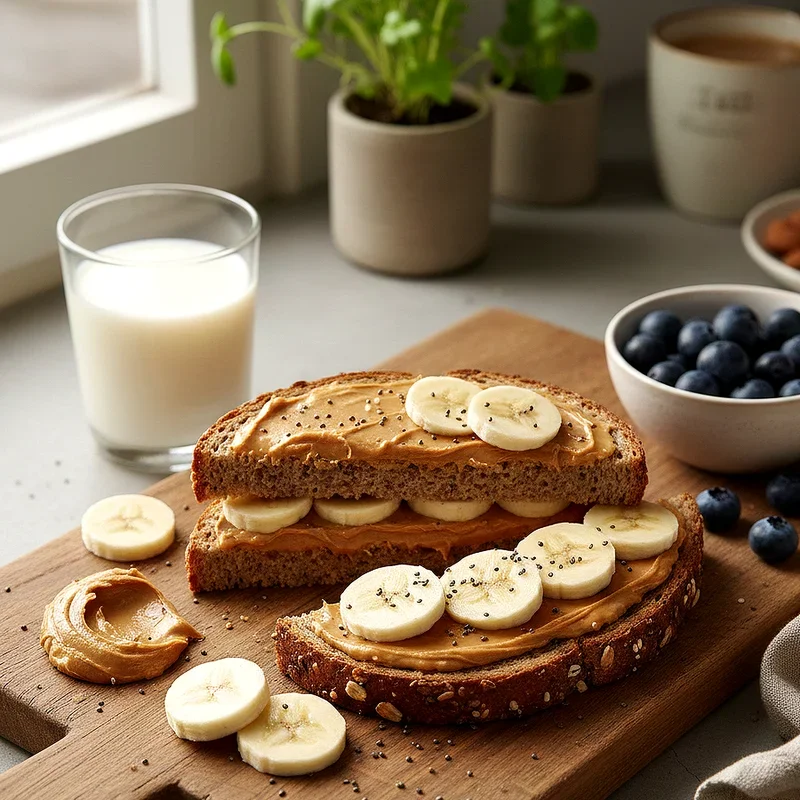
14. Nut Butter and Banana Sandwich
Nut butter and banana sandwiches provide protein, healthy fats, and natural sweetness in one convenient, portable breakfast option. Thin spreads of peanut or almond butter introduce babies to these important allergen foods early, following current feeding guidelines. Bananas add potassium, vitamin B6, and natural sugars that provide quick energy for active morning play and exploration. The combination creates a satisfying breakfast that keeps babies full longer than simple carbohydrate options alone. This sandwich format works well for babies comfortable with more advanced textures and those practicing self-feeding with two-handed foods. Using soft whole grain bread makes the sandwich easier to eat while adding fiber and complex carbohydrates for sustained energy. Spread a very thin layer of nut butter to reduce choking risk, ensuring it's not too thick or sticky for safe eating.
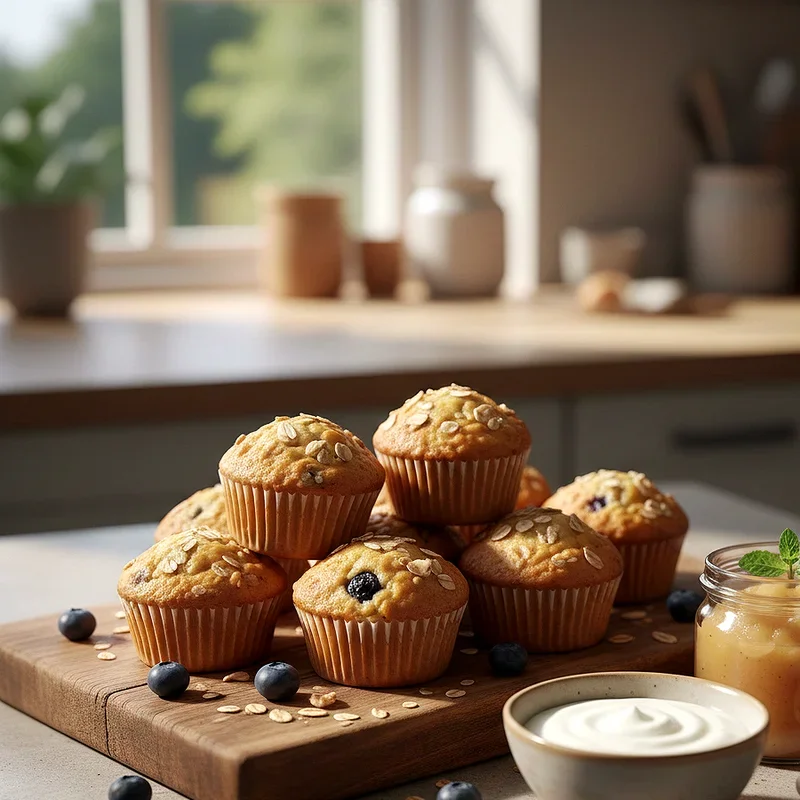
15. Homemade Baby Muffins
Homemade baby muffins allow you to control ingredients while creating a convenient breakfast that can be prepared in advance. These miniature treats can incorporate vegetables like grated carrots or zucchini, adding nutrition while maintaining a sweet, cake-like appeal. Muffins provide an excellent vehicle for introducing whole grains, fruits, and even vegetables that babies might otherwise reject. The individual portions make it easy to grab one or two for a quick breakfast without measuring or complicated preparation. You can customize muffins based on your baby's preferences and nutritional needs, creating endless variety throughout the week. Baking a batch on the weekend provides ready-made breakfasts that simply need reheating for several days of easy mornings. Use whole wheat flour, mashed bananas or applesauce for moisture, and avoid adding processed sugars to keep them healthy and nutritious for your growing baby.
Conclusion
Establishing healthy breakfast habits during infancy sets the foundation for a lifetime of nutritious eating and positive food relationships. These fifteen breakfast ideas demonstrate that feeding your baby well doesn't require complicated recipes or exotic ingredients. Simple, wholesome foods prepared with love provide everything your little one needs to thrive and grow. Remember that every baby develops at their own pace, so remain patient as they explore new textures and flavors. Introducing variety keeps mealtimes interesting while ensuring comprehensive nutrition from diverse food sources. Your consistent efforts in providing nutritious breakfasts contribute significantly to your baby's physical development, cognitive function, and overall wellbeing during these formative months.
Read next: 15 Breakfast Basket Ideas for a Perfect Morning Treat
Frequently Asked Questions
Q1: When should I introduce solid breakfast foods to my baby?
A: Most babies can start solid foods around six months when they show developmental readiness.
Q2: How do I know if my baby is allergic to breakfast foods?
A: Watch for symptoms like rashes, vomiting, or difficulty breathing after introducing new foods.
Q3: Can I prepare breakfast foods in advance for my baby?
A: Yes, many options like muffins and pancakes freeze well for convenient morning meals.
Q4: Should breakfast portions be different from other meals for babies?
A: Portion sizes should match your baby's hunger cues rather than predetermined amounts daily.
Q5: What should I do if my baby refuses breakfast consistently?
A: Continue offering food without pressure and consult your pediatrician about nutritional concerns.
Stay up to date with our latest ideas!