How to Cook Breakfast Sausage Perfectly Every Time
Master breakfast sausage cooking with foolproof methods. Learn stovetop, oven, and air fryer techniques for juicy, golden-brown results every time.
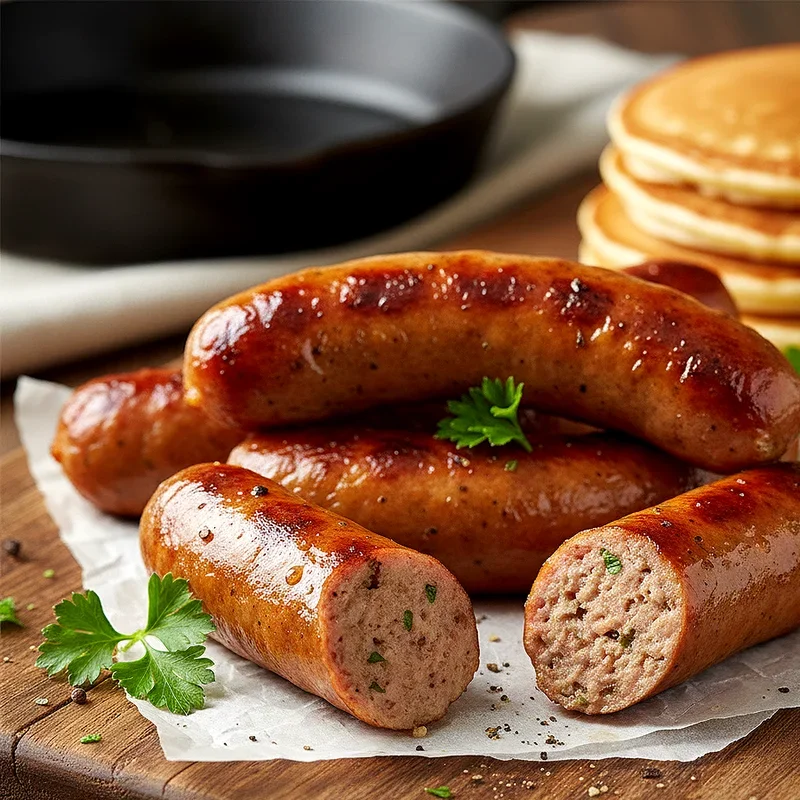
There's nothing quite like the sizzle of breakfast sausage hitting a hot pan in the morning, right? That irresistible aroma wafting through your kitchen can make even the grumpiest early bird crack a smile. But here's the thing: cooking breakfast sausage might seem straightforward, yet so many folks end up with links that are burnt on the outside and raw in the middle, or dried out beyond recognition. It's frustrating, especially when you're trying to pull together a memorable weekend brunch or just want a decent weekday breakfast. Whether you prefer those plump links, savory patties, or crumbly ground sausage, learning How to Cook Breakfast Sausage Perfectly Every Time doesn't have to be rocket science. You just need the right techniques, a bit of patience, and some insider tricks that'll transform your breakfast game completely.
Understanding Your Breakfast Sausage Options
Before we jump into cooking methods, it's worth knowing what you're working with. Breakfast sausage comes in several forms, and each one has its quirks.
Links are probably the most iconic form. These cylindrical beauties come in various sizes and casings. You've got natural casings that snap when you bite into them, and synthetic ones that are a bit more uniform. Then there are patties, which are basically flattened discs of seasoned pork that cook faster and fit perfectly on breakfast sandwiches. Finally, there's bulk or ground sausage, sold in tubes or packages, which gives you the freedom to shape it however you like.
The fat content matters too. Most breakfast sausage contains anywhere from 20 to 30 percent fat, which is actually what keeps it juicy and flavorful. Leaner versions exist, but honestly, they can turn out pretty dry if you're not careful. The seasonings vary wildly depending on the brand and style. Some are heavy on sage and black pepper, while others might have a hint of maple sweetness or a spicy kick.
The Stovetop Method for Perfect Sausage Links
Alright, let's start with the classic stovetop approach. This is probably how your grandmother did it, and for good reason. It gives you tons of control over the cooking process.
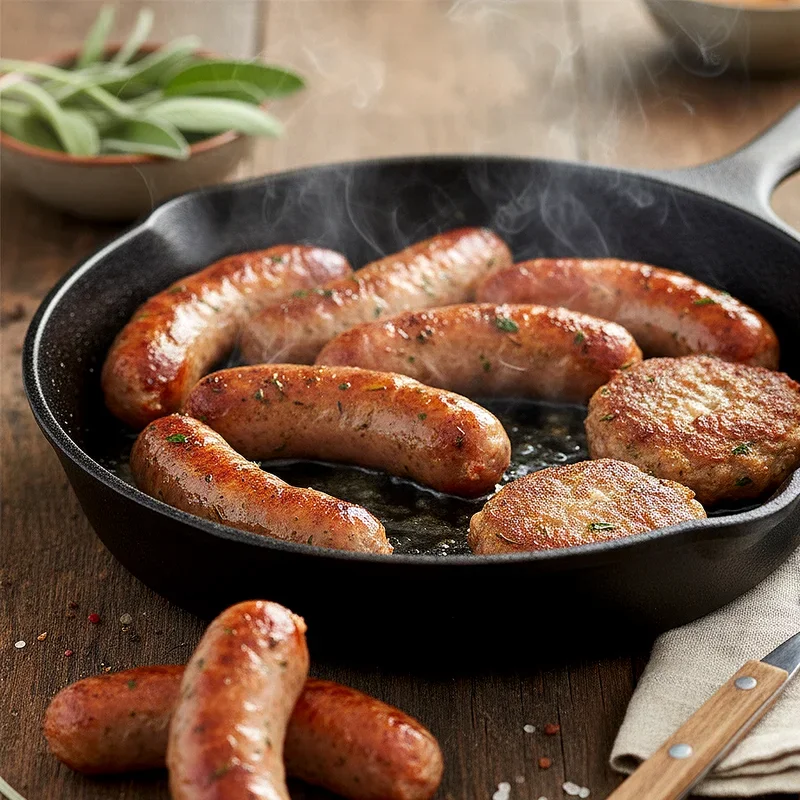
First things first, take your sausages out of the fridge about 15 minutes before cooking. Cold sausage hitting a hot pan can cause uneven cooking, and nobody wants that. While they're warming up slightly, grab a heavy-bottomed skillet. Cast iron works beautifully here, but any good quality pan will do the trick.
Here's where people often mess up: they crank the heat too high. Don't do it! Medium to medium-low heat is your sweet spot. Add just a tiny splash of water to the pan, maybe a quarter inch deep. Yeah, I know it sounds weird, but this creates steam that helps cook the sausages through without burning the outside. Place your links in the pan, making sure they're not crowded. Give them some breathing room.
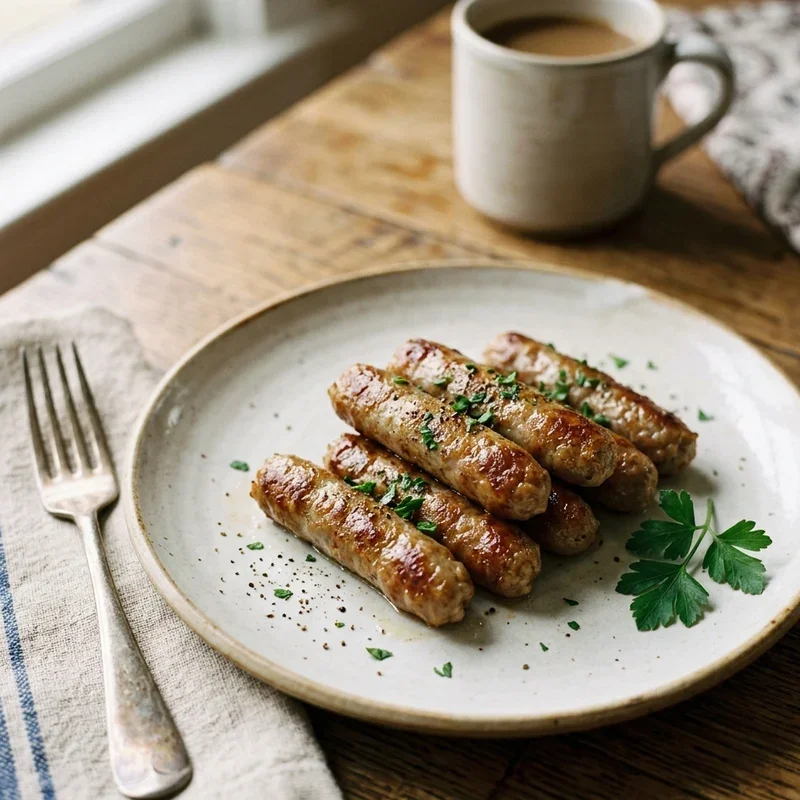
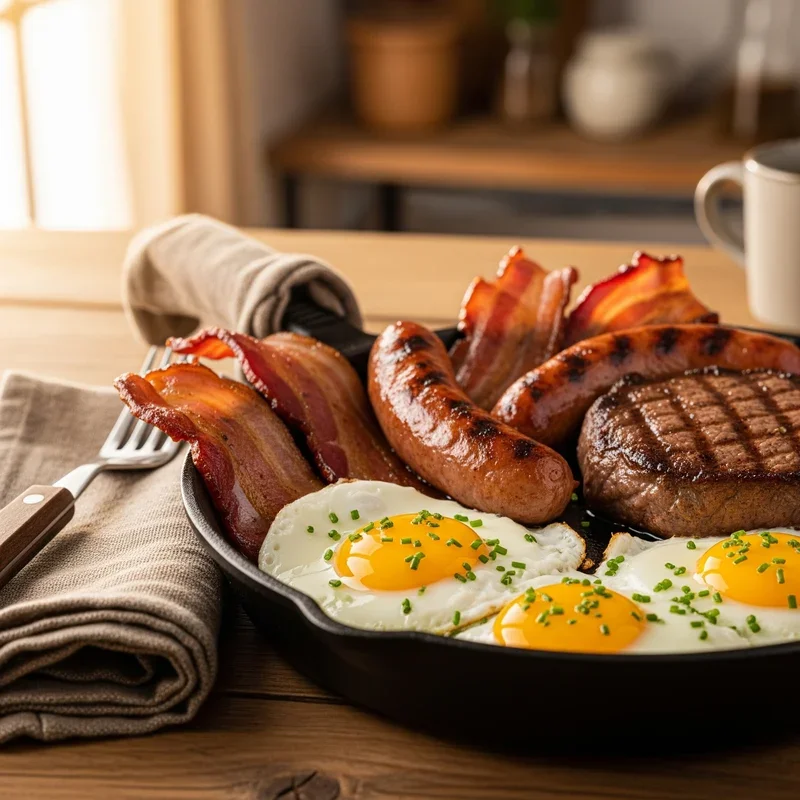
Let them cook for about 6 to 8 minutes, turning occasionally. You'll notice the water evaporating, and that's perfectly fine. Once it's gone, the sausages will start to brown. This is when the magic happens. Keep turning them every couple of minutes to get that gorgeous golden-brown color all around. The whole process should take roughly 12 to 15 minutes for average-sized links.
How do you know they're done? Well, an instant-read thermometer should register 160 degrees Fahrenheit in the center. If you don't have one, cut into the thickest part. The meat should be uniformly cooked with no pink remaining, and the juices should run clear.
Mastering Breakfast Sausage Patties on the Stovetop
Patties are a different beast altogether. They cook faster than links, which is great when you're in a hurry, but they can also dry out quicker if you're not paying attention.
Heat your skillet over medium heat. You don't need any oil or butter because the sausage will release its own fat. Seriously, there's plenty in there already. Place your patties in the pan with some space between them. They'll shrink a bit as they cook, but you still want good air circulation.
Here's the golden rule: don't press down on them with your spatula. I see people doing this all the time, and it drives me nuts! When you press down, you're squeezing out all those flavorful juices that keep the patties moist. Just let them be.
Cook for about 4 to 5 minutes on the first side. You're looking for a nice caramelized crust. Flip them once, and only once, then cook for another 4 to 5 minutes. Again, 160 degrees Fahrenheit is your target internal temperature.
If you're making your own patties from bulk sausage, keep them about a half-inch thick. Any thinner and they'll dry out. Any thicker and you risk burning the outside before the inside cooks through.
How to Cook Breakfast Sausage Perfectly Every Time in the Oven
Now, if you're feeding a crowd, the oven method is absolutely the way to go. It's hands-off, consistent, and frees up your stovetop for eggs and pancakes.
Preheat your oven to 400 degrees Fahrenheit. While it's heating up, line a rimmed baking sheet with parchment paper or aluminum foil. This makes cleanup a breeze, trust me. If you've got a wire rack that fits in your baking sheet, even better. Placing the sausages on a rack allows the fat to drip away and promotes even browning all around.
Arrange your links or patties on the prepared pan with a bit of space between each one. Pop them in the oven and set a timer for 10 minutes. At the halfway point, flip everything over. This ensures even cooking and browning on both sides.
For links, you're looking at a total cook time of about 20 to 25 minutes. Patties will be done in roughly 15 to 20 minutes. The exact time depends on thickness and your oven's quirks, so that trusty meat thermometer is your best friend here.
One cool trick: if you want extra crispy sausages, turn on the broiler for the last 2 minutes. Just watch them carefully because things can go from perfectly crispy to charred in a heartbeat under the broiler.
The Air Fryer Revolution for Breakfast Sausage
Oh boy, if you haven't tried cooking sausage in an air fryer yet, you're missing out. This appliance has completely changed the game for quick, crispy breakfast meats.
Preheat your air fryer to 400 degrees Fahrenheit. Most models need about 3 to 5 minutes to reach temperature. While it's heating, you can prep your sausages. There's no need to add any oil whatsoever. The air fryer's circulation will crisp everything up beautifully using the sausage's own fat.
Place links or patties in a single layer in the basket. Don't stack them or overlap. Air needs to circulate freely around each piece for that signature air fryer crispness. For links, cook for 9 to 12 minutes, flipping halfway through. Patties need about 8 to 10 minutes with a flip at the midpoint.
The beauty of the air fryer is how evenly everything cooks. You get a gorgeous, crispy exterior while the inside stays juicy and tender. Plus, cleanup is ridiculously easy. Just wipe out the basket when you're done.
Boiling and Then Browning Technique
Here's a method that might seem unconventional, but it absolutely guarantees perfectly cooked sausages every single time. It's especially useful for thicker links that are tricky to cook through without burning.
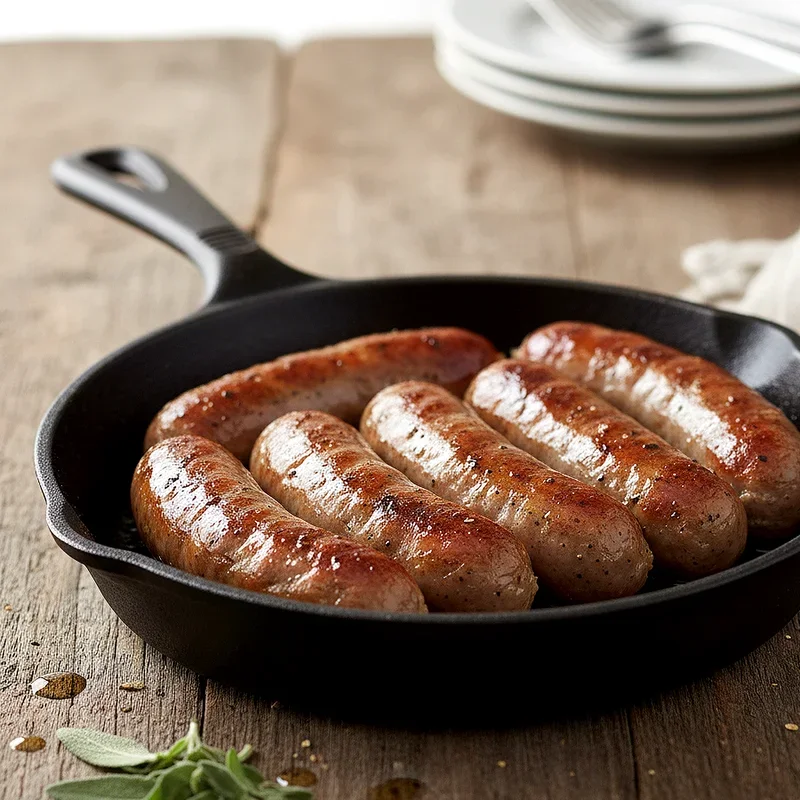
Fill a large skillet with about an inch of water. Add your sausage links and bring the water to a gentle simmer over medium heat. Let them simmer for about 8 to 10 minutes. This gentle cooking ensures they're cooked through to the center without any risk of burning.
Once they're cooked through, drain the water from the pan. Now, here's where it gets good. Return the pan to medium-high heat and let those sausages brown. They'll sizzle in their own rendered fat, developing a beautiful, crispy exterior. Rotate them every minute or so until they're golden brown all over. This usually takes just 3 to 5 minutes.
This two-step method is particularly helpful when you're working with homemade sausages or extra-thick specialty links where you're worried about raw centers.
Common Mistakes and How to Avoid Them
Let's talk about what not to do, because honestly, learning from mistakes is half the battle.
Cooking at too high heat is probably the biggest culprit behind ruined sausage. When the heat's too high, the casings burst, the outside burns, and the inside stays raw. It's a disaster. Stick with medium or medium-low heat for stovetop cooking.
Overcrowding the pan is another common error. When sausages are packed too tightly, they steam instead of browning. They need space to breathe and crisp up properly. Cook in batches if necessary.
Piercing the sausages before or during cooking is a huge no-no. Those casings are there to keep all the juicy goodness inside. Once you poke holes, those flavorful fats and juices escape, leaving you with dry, sad sausages. Wait until they're done cooking before cutting into them.
Not using a thermometer is risky business. Guessing whether pork products are done is how people end up with food safety issues. An instant-read thermometer takes the guesswork out completely. They're cheap, accurate, and totally worth it.
Finally, forgetting to let them rest is a mistake. Just like a good steak, sausages benefit from a few minutes of rest after cooking. This allows the juices to redistribute throughout the meat instead of running all over your plate when you cut into them.
Seasoning and Flavor Enhancement Tips
Store-bought breakfast sausage is already seasoned, but that doesn't mean you can't jazz things up a bit.
A light brush of maple syrup during the last few minutes of cooking adds a subtle sweetness that complements the savory spices beautifully. Or try a sprinkle of brown sugar for a similar effect.
Fresh herbs can brighten up the flavor profile. A little chopped fresh sage, thyme, or rosemary scattered over the sausages right before serving makes them taste gourmet.
For a spicy kick, dust them with a bit of cayenne pepper or red pepper flakes. If you're into smoky flavors, a tiny pinch of smoked paprika works wonders.
Some folks like to cook their sausages with sliced onions and bell peppers. The vegetables absorb the sausage fat and become incredibly flavorful, plus you've got a ready-made side dish.
Storage and Reheating Best Practices
Cooked breakfast sausage keeps well in the fridge for about 3 to 4 days. Store it in an airtight container once it's completely cooled. For longer storage, freezing is your friend. Properly wrapped sausage can last in the freezer for up to 2 months.
When reheating, gentle heat is key. The microwave works in a pinch, but it can make sausages rubbery. Better options include warming them in a skillet over medium-low heat or popping them in a 350-degree oven for about 10 minutes. The air fryer also works great for reheating. Just a few minutes at 350 degrees brings them back to life.
Pairing Suggestions for Complete Breakfast Bliss
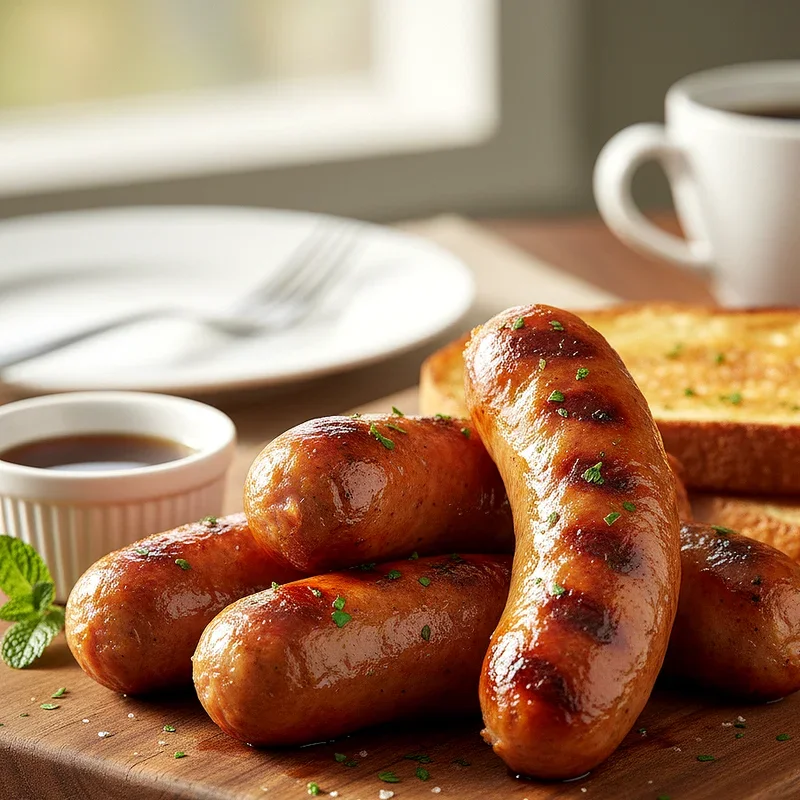
Now that you've mastered How to Cook Breakfast Sausage Perfectly Every Time, let's talk about what to serve alongside it.
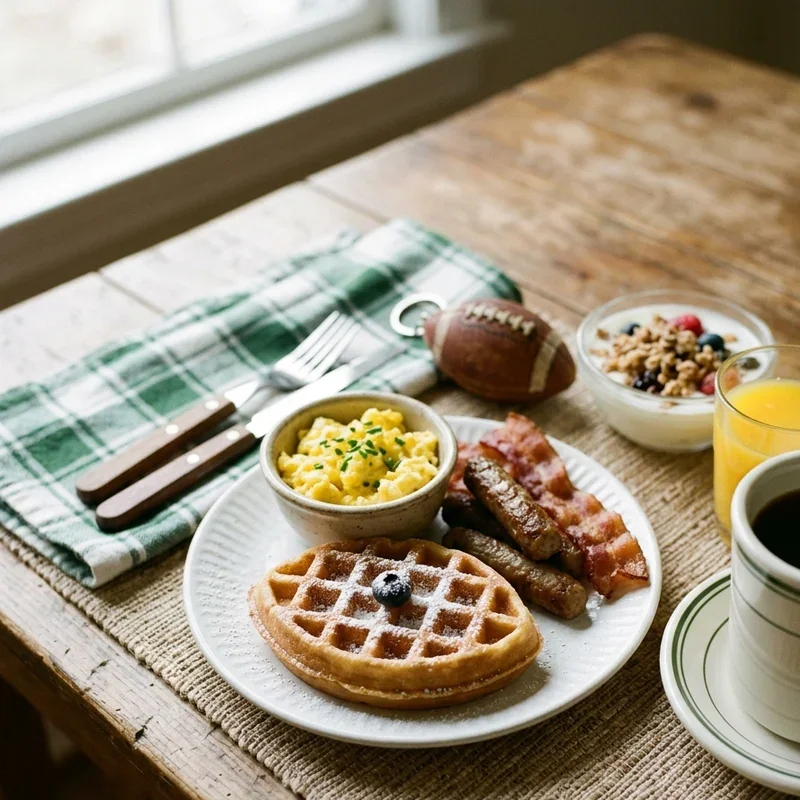
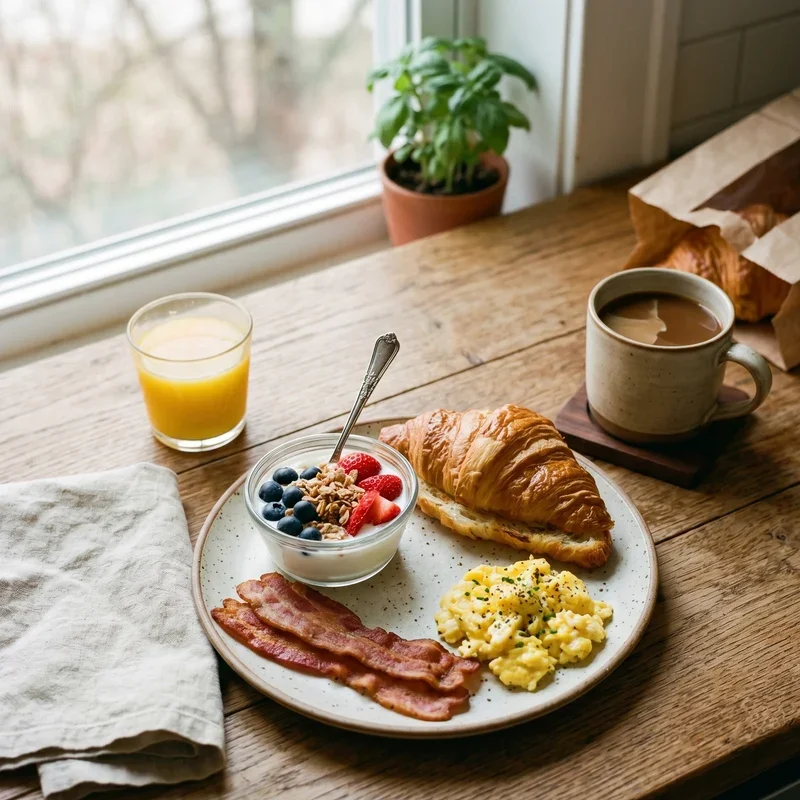
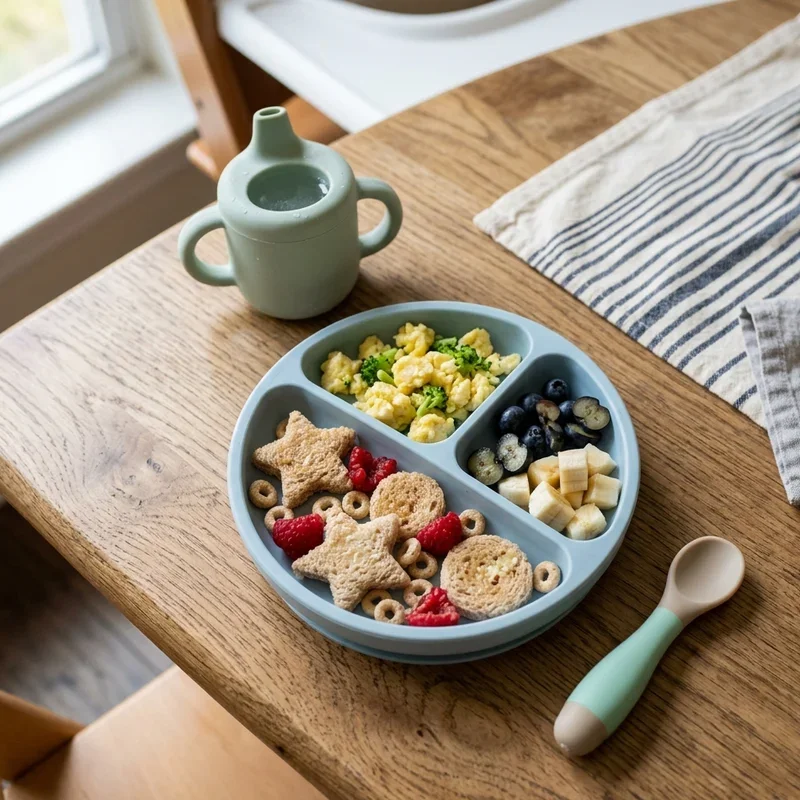
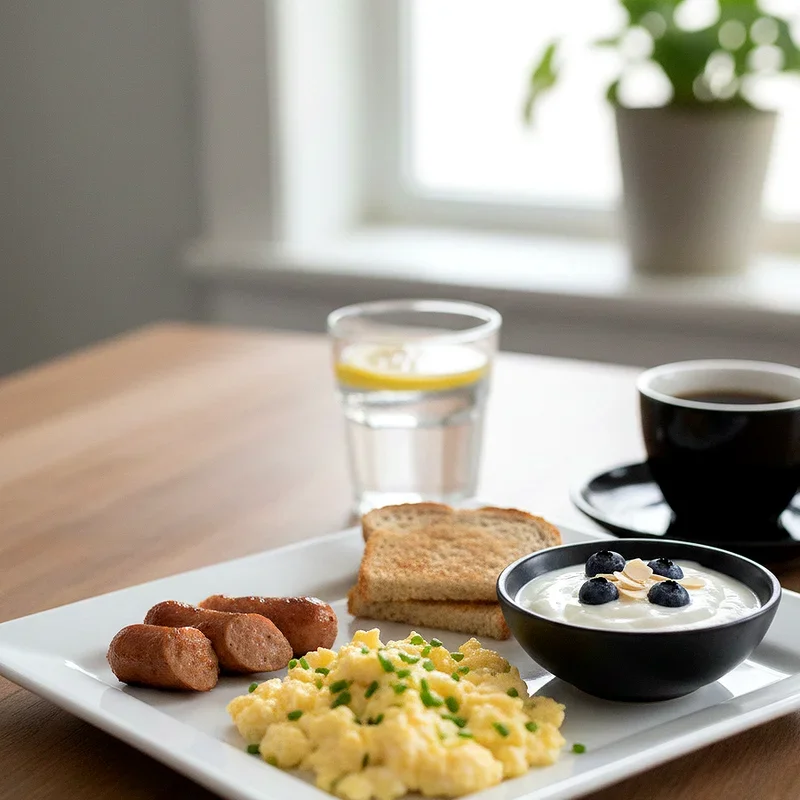
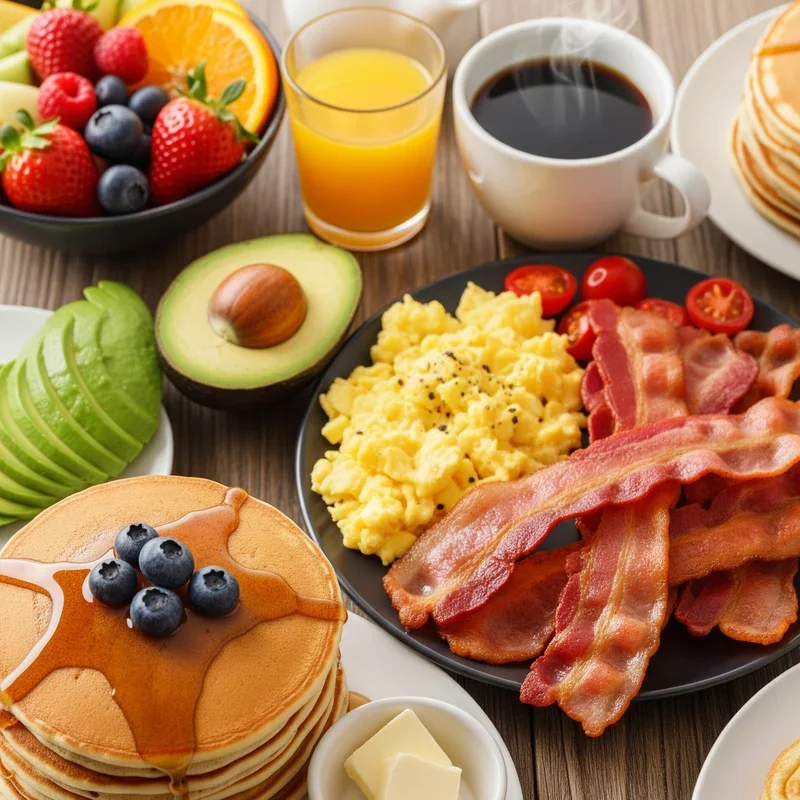
Classic scrambled or fried eggs are the obvious choice, but don't overlook poached or soft-boiled eggs. That runny yolk mixing with sausage is absolutely heavenly. Hash browns or home fries provide a satisfying starchy component. The crispy potatoes contrast beautifully with the juicy sausage.
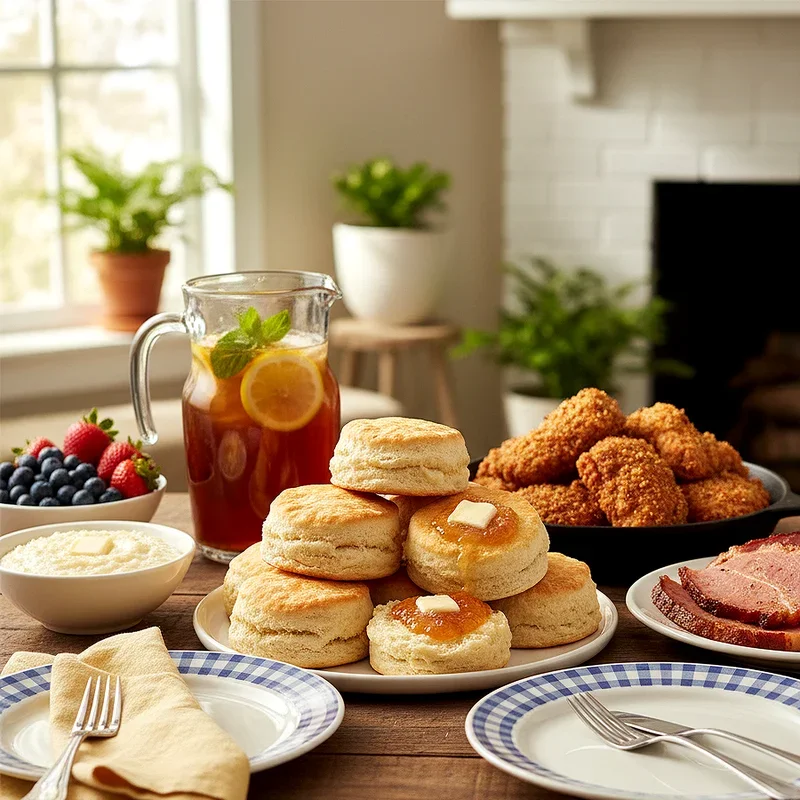
Fresh fruit cuts through the richness nicely. Sliced melons, berries, or citrus segments add brightness to the plate. Biscuits and gravy turn breakfast into a full-blown feast, especially if you use some of that sausage to make the gravy.
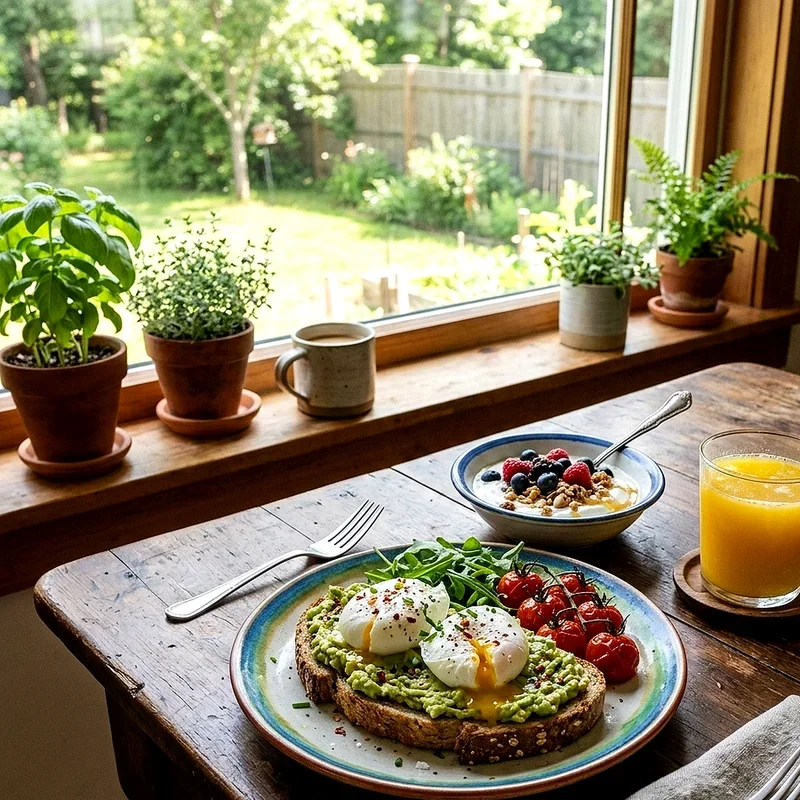
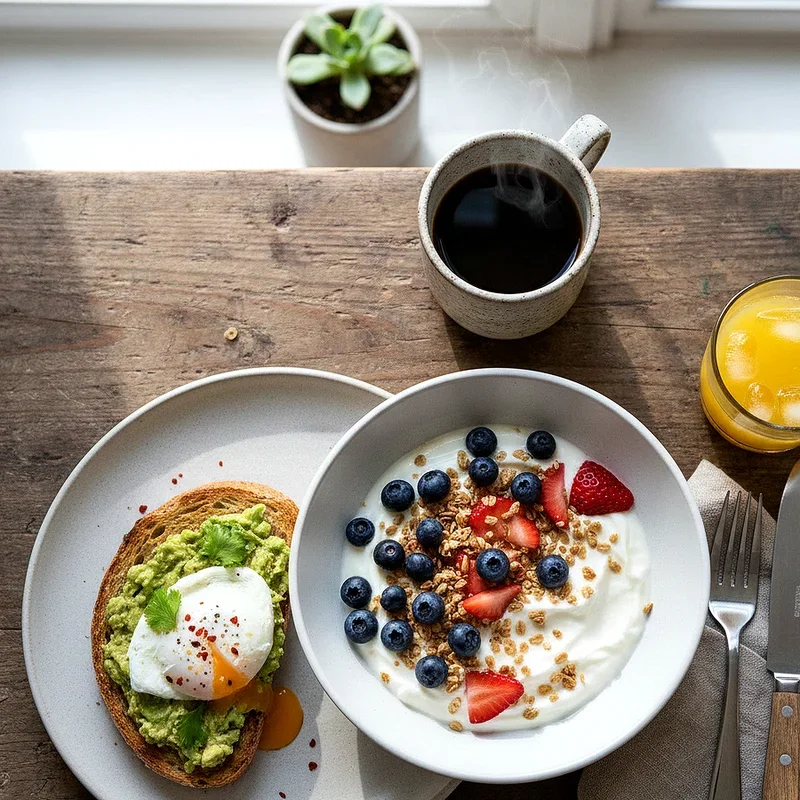
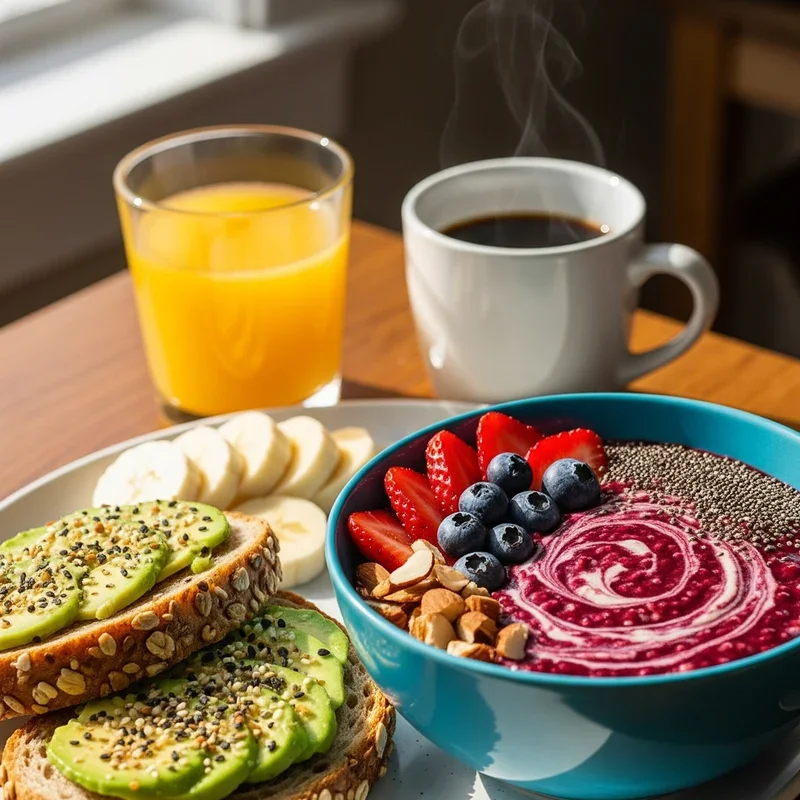
For a lighter option, serve your sausage with avocado toast or a simple green salad with a tangy vinaigrette. The freshness balances out the hearty meat perfectly.
Conclusion
Mastering the art of cooking breakfast sausage isn't complicated once you understand the fundamentals. Whether you're using the stovetop, oven, or air fryer, the keys are consistent temperature control, proper spacing, and monitoring internal temperature. With these techniques in your back pocket, you'll serve up juicy, perfectly browned sausage that'll make every breakfast feel special. Practice these methods, avoid common pitfalls, and soon you'll be the breakfast champion your family deserves.
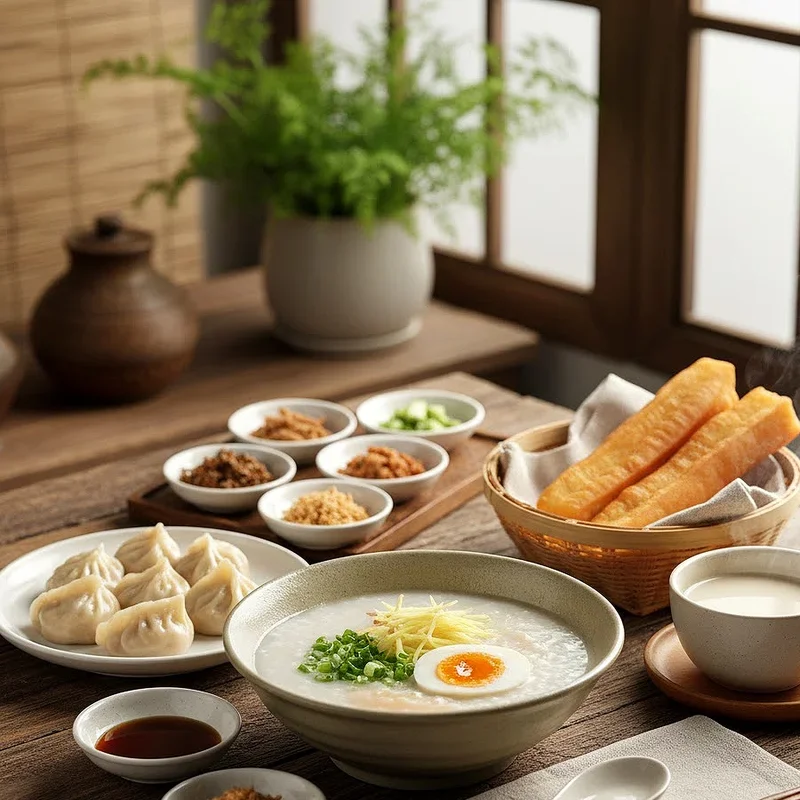
Read next: 15 Asian Breakfast Ideas to Start Your Day Right
Frequently Asked Questions
Q1: What temperature should breakfast sausage reach internally?
A: Breakfast sausage must reach 160 degrees Fahrenheit for safe consumption.
Q2: Can I cook frozen breakfast sausage directly?
A: Yes, but add 5 to 7 extra minutes to your cooking time.
Q3: Why do my sausages split open while cooking?
A: High heat or piercing causes splitting. Use medium heat always.
Q4: How do I prevent sausage patties from curling up?
A: Make small slits around edges or use slightly thicker patties.
Q5: Can I meal prep cooked breakfast sausage?
A: Absolutely, cooked sausage stores refrigerated for 3 to 4 days safely.
Stay up to date with our latest ideas!