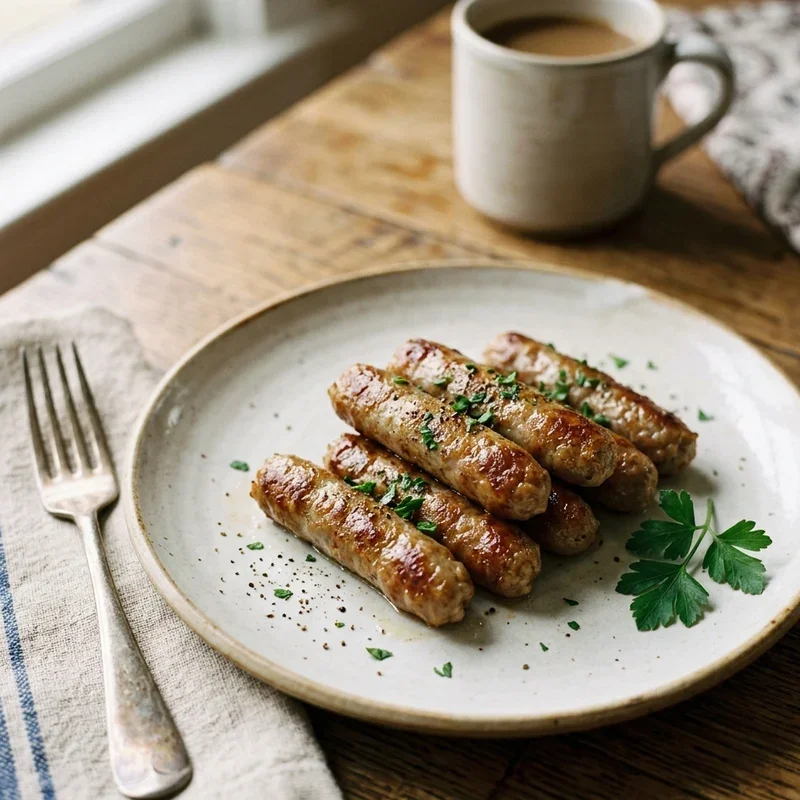
How to Cook Frozen Breakfast Sausage Easily
Learn how to cook frozen breakfast sausage easily using simple methods like skillet, oven, and air fryer for perfect results every time.
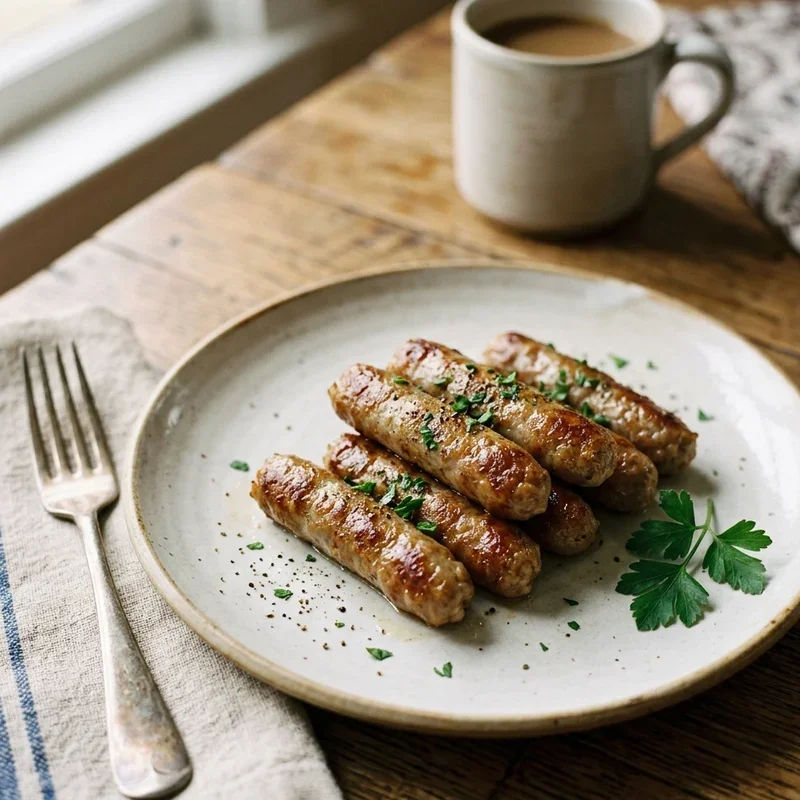
We've all been there. It's early morning, your stomach's growling, and you suddenly realize the sausage links are still rock solid in the freezer. Honestly, who hasn't forgotten to defrost breakfast the night before? Well, here's the good news. You don't need to thaw a single thing before cooking up a batch of perfectly browned, juicy sausages that taste like they came straight from a country kitchen. Learning how to cook frozen breakfast sausage easily is one of those life skills that saves your morning routine from total chaos. Whether you're feeding a hungry family or just treating yourself to a proper sit-down breakfast, knowing the right tricks makes all the difference. So grab your favorite pan, preheat that oven, or fire up the air fryer, because we're about to walk through every method step by step. By the time you're done reading, you'll wonder why you ever bothered thawing sausages in the first place.
Why Cooking Frozen Breakfast Sausage Directly Is a Game Changer
Let's be honest for a second. Mornings are hectic enough without adding extra steps to your breakfast prep. The beauty of cooking sausage straight from the freezer is that it removes one whole task from your to-do list. There's no waiting around for meat to defrost on the counter, no microwave guesswork, and absolutely no planning ahead required. You just pull those links or patties out of the freezer bag and get cooking.
Beyond the convenience factor, cooking from frozen actually helps keep the sausage moist. When you thaw meat slowly, it can lose some of its natural juices during the defrosting process. But when you cook it directly from its frozen state, those juices stay locked inside, resulting in a more flavorful bite. It's a win-win situation, really. You save time and you get tastier food. What's not to love about that?
Another thing worth mentioning is food safety. Leaving sausage on the counter to thaw creates a window where bacteria can multiply, especially if you forget about it for a couple of hours. Cooking straight from frozen eliminates that risk entirely. So you're not just making your morning easier, you're also making it safer.
The Skillet Method: Classic and Foolproof
If you're old school and love the sound of sausage sizzling in a hot pan, this method is right up your alley. The skillet approach is probably the most popular way people cook breakfast sausage, and it works beautifully even when the links are frozen solid.
Start by placing your frozen sausage links in a cold skillet. Don't preheat the pan first, because tossing frozen meat onto a screaming hot surface can cause the outside to burn before the inside even begins to warm up. Add about a quarter cup of water to the pan, then cover it with a lid. Set the burner to medium heat and let the sausages steam for about six to eight minutes. This gentle steaming phase does the heavy lifting. It thaws the meat and starts the cooking process without any scorching.
Once the water has evaporated, remove the lid and continue cooking the sausages over medium heat. Turn them every couple of minutes so they brown evenly on all sides. You're looking for a nice golden color with no pink remaining in the center. The whole process takes roughly twelve to fifteen minutes from start to finish. That's faster than most people spend scrolling through their phone in the morning.
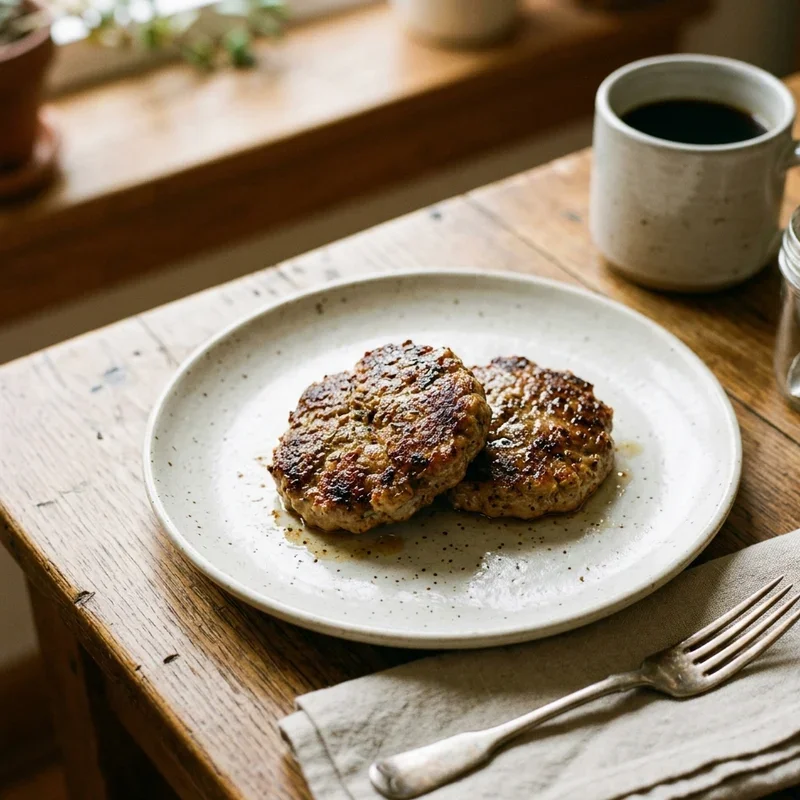
For sausage patties, the process is pretty similar. Place them in a cold pan with a splash of water, cover, and steam for about four to five minutes. Then uncover and cook for another three to four minutes per side until they're golden and cooked through. Easy as pie.
How to Cook Frozen Breakfast Sausage Easily in the Oven
The oven method is hands down the best option when you're cooking for a crowd. Imagine you've got six people coming over for brunch. Standing at the stove flipping individual sausages would take forever. But with the oven, you can cook an entire sheet pan's worth in one go while you focus on scrambling eggs or mixing pancake batter.
Here's how to do it. Preheat your oven to 400 degrees Fahrenheit. Line a baking sheet with parchment paper or aluminum foil for easy cleanup. Arrange your frozen sausage links in a single layer, making sure they're not touching each other. Pop the tray into the oven and bake for about twenty to twenty-five minutes. Flip the sausages halfway through the cooking time so both sides get that lovely caramelized finish.
The key thing to remember with oven cooking is spacing. If you crowd the sausages too close together, they'll steam instead of roast, and you won't get that crispy exterior everyone craves. Give each link a little breathing room and you'll be rewarded with perfectly browned sausage every single time.
For patties, reduce the cooking time slightly. They usually need about fifteen to eighteen minutes total, flipped once at the halfway mark. And here's a pro tip: if you want extra crispy edges, place a wire rack on top of your baking sheet and cook the sausages on the rack. The air circulates underneath and gives you an even crispier result.
Air Fryer Magic: Quick and Crispy Results
If you haven't jumped on the air fryer bandwagon yet, this might be the recipe that convinces you. Air fryers are ridiculously good at cooking frozen breakfast sausage, and they do it in record time. The circulating hot air crisps up the outside while keeping the inside tender and juicy. It's borderline magical.
To get started, preheat your air fryer to 360 degrees Fahrenheit. Place the frozen sausage links in the basket in a single layer. Don't stack them or they won't cook evenly. Cook for about eight to ten minutes, shaking the basket once halfway through. That's it. Seriously, that's the whole process.
For patties, set the temperature to 370 degrees and cook for about seven to nine minutes, flipping once. Because air fryers vary in size and power, you might need to adjust the timing slightly for your specific model. But as a general rule of thumb, start checking at the lower end of the time range and add a minute or two if needed.
One thing people love about the air fryer method is the minimal cleanup. There's no greasy pan to scrub, no oil splatters on the stovetop, and no parchment paper to throw away. Just pull out the basket, wash it quickly, and you're done. For busy weekday mornings, it doesn't get much more convenient than that.
Microwave Method: When You're in a Serious Rush
Let's face it. Sometimes you have exactly three minutes to put breakfast together before running out the door. On those mornings, the microwave is your best friend. Now, it won't give you the same crispy, caramelized finish as the other methods. But it will give you a fully cooked sausage in a fraction of the time, and sometimes that's all you need.
Place the frozen sausage links on a microwave-safe plate lined with a paper towel. The paper towel absorbs excess grease and prevents the sausage from sitting in a pool of fat. Microwave on high for about two to three minutes for two or three links, adding thirty seconds for each additional link. Let them rest for a minute before eating because they'll be extremely hot inside.
The microwave works best for precooked frozen sausages. If your sausage links are raw and frozen, you're better off using one of the other methods to ensure they cook all the way through. Always check the internal temperature with a meat thermometer. You want it to hit 160 degrees Fahrenheit for pork sausage or 165 degrees for poultry-based varieties.
Tips and Tricks for Perfectly Cooked Frozen Sausage Every Time
Getting the sausage cooked is one thing. Getting it cooked perfectly is another ball game entirely. Here are some tried-and-true tips that'll take your frozen breakfast sausage from good to absolutely fantastic.
First, never crank the heat up too high when cooking from frozen. High heat is the enemy here. It causes the outside to char while the inside stays cold or undercooked. Medium heat is your sweet spot for stovetop cooking, and moderate oven temperatures between 375 and 400 degrees work best for baking.
Second, invest in a good instant-read meat thermometer. It takes the guesswork out of knowing when your sausage is done. You won't have to cut into a link and lose all those delicious juices just to check if it's cooked through. A quick poke with the thermometer tells you everything you need to know.
Third, resist the urge to poke or prick the sausage casing before cooking. Some people think this helps fat drain out, but what it actually does is let all the moisture escape. The result is a dry, sad sausage that nobody wants to eat. Keep those casings intact and let them do their job.
Fourth, if you're cooking links on the stovetop, rotating them frequently ensures even browning on all sides. Don't just flip them once and call it a day. Give them a quarter turn every couple of minutes for that beautiful all-around color.
Finally, let the sausage rest for a minute or two after cooking. Just like a steak, sausage benefits from a brief resting period. The juices redistribute throughout the meat, making every bite more flavorful and satisfying.
Common Mistakes to Avoid When Cooking Frozen Sausage
Even the simplest cooking tasks can go sideways if you're not careful. Here are some pitfalls to watch out for so you can dodge them like a pro.
Overcrowding the pan is probably the most common mistake. When sausages are packed too tightly together, they steam instead of browning. Steam means soft, pale sausage with no caramelization. Give each piece enough space and your results will improve dramatically.
Another frequent error is skipping the water-steaming step on the stovetop. Tossing frozen sausage directly into a dry, hot pan almost guarantees an unevenly cooked result. The outside gets dark and tough while the center remains icy. That initial steam bath is crucial for thawing the meat gently before the browning phase kicks in.
Using too much oil is another trap. Breakfast sausage already contains a fair amount of fat that renders out during cooking. Adding a bunch of oil on top of that just makes things greasy. A light mist of cooking spray or a tiny drizzle is more than enough. In fact, with nonstick cookware, you might not need any oil at all.
Lastly, don't forget to check the internal temperature. Cutting into one sausage to see if it looks done is unreliable. Color can be deceiving, and you could easily serve undercooked meat. A thermometer gives you a definitive answer every time.
How to Cook Frozen Breakfast Sausage Easily for Meal Prep
Meal prep warriors, this section is for you. Cooking a big batch of frozen breakfast sausage at the beginning of the week sets you up for quick, hassle-free breakfasts for days. The oven method is ideal for batch cooking because you can fit a lot of sausage on a single sheet pan.
Cook your sausages according to the oven instructions mentioned earlier, then let them cool completely. Store them in an airtight container in the refrigerator for up to four days. When you're ready to eat, just reheat a few links in the microwave for thirty to forty-five seconds or toss them back in a skillet for a quick warm-up.
You can also freeze cooked sausage for longer storage. Spread the cooled links on a baking sheet in a single layer and freeze them for about an hour. Then transfer them to a freezer-safe bag. This prevents them from clumping together, so you can grab exactly the number you need each morning. They'll keep in the freezer for up to two months without losing quality.
Pair your prepped sausages with other make-ahead items like hard-boiled eggs, overnight oats, or frozen breakfast burritos, and you've got yourself a breakfast assembly line that takes less than five minutes every morning.
Choosing the Right Frozen Breakfast Sausage
Not all frozen breakfast sausages are created equal, and picking the right one can make a real difference in how your final dish turns out. When you're standing in the frozen food aisle, keep a few things in mind.
Check the ingredient list. Shorter is generally better. Look for sausages that list real meat as the first ingredient and avoid products loaded with fillers, artificial flavors, or excessive sodium. Some brands use natural casings while others use collagen casings. Natural casings tend to have a more satisfying snap when you bite into them, but both work just fine.
Consider the type of meat as well. Traditional pork sausage has a rich, savory flavor that most people associate with classic breakfast. Turkey and chicken sausages are leaner options with fewer calories and less fat. There are even plant-based breakfast sausages on the market now that cook up surprisingly well from frozen.
Pay attention to whether the sausage is precooked or raw. Precooked sausage just needs to be heated through, so it cooks faster and is more forgiving if your timing isn't perfect. Raw sausage requires thorough cooking to a safe internal temperature, which means you'll need to be a bit more attentive during the process.
Pairing Ideas: What Goes Great with Breakfast Sausage
A perfectly cooked breakfast sausage deserves some equally delicious companions on the plate. Here are some classic and creative pairing ideas to round out your morning meal.
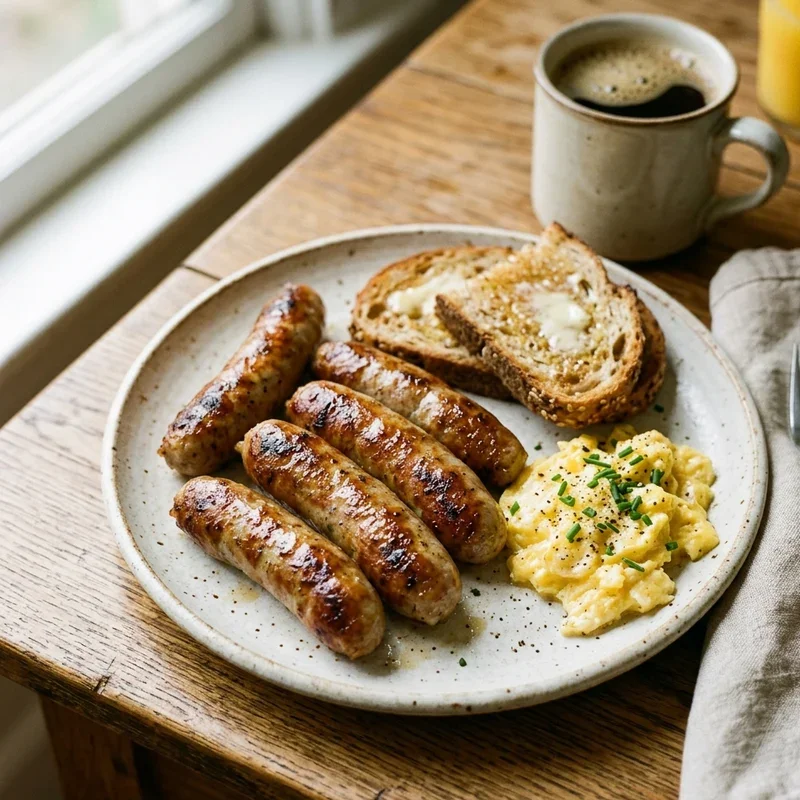
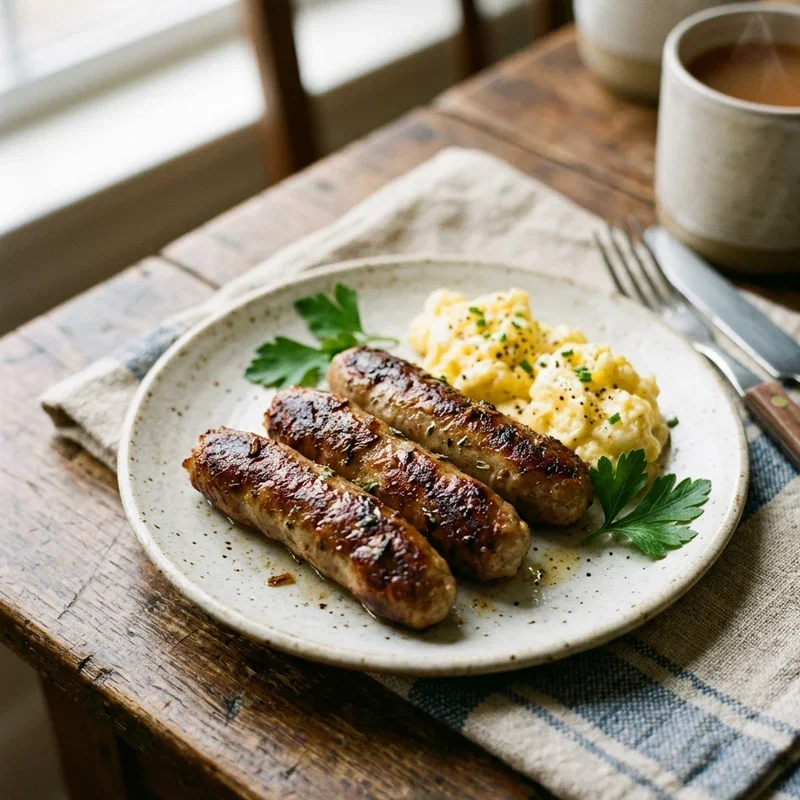
Scrambled eggs and toast are the obvious choice, and for good reason. The creamy eggs complement the savory sausage beautifully, and a piece of buttery toast ties everything together. For something a bit fancier, try pairing your sausage with a vegetable frittata or a fluffy omelet loaded with cheese and peppers.
Pancakes and waffles are another natural match. There's something about the combination of sweet maple syrup and salty, savory sausage that just hits different. Dipping a sausage link into a puddle of syrup on your plate is one of life's simple pleasures, and nobody can tell you otherwise.
For a healthier spin, serve your sausage alongside avocado toast, a fresh fruit bowl, or a Greek yogurt parfait. The protein from the sausage keeps you full longer, while the lighter sides balance out the richness. And if you're feeling adventurous, chop up the cooked sausage and fold it into a breakfast burrito with beans, salsa, and shredded cheese. That's a portable breakfast that'll keep you going until lunch.
Conclusion
Learning how to cook frozen breakfast sausage easily is one of those kitchen shortcuts that changes your morning game for good. Whether you grab a skillet, fire up the oven, or use an air fryer, each method delivers delicious results without thawing. Just remember to cook on moderate heat, check internal temperatures, and give each sausage room to brown. With these simple techniques, a hot and satisfying breakfast is never more than a few minutes away.
Read next: 15 Biscuit Breakfast Ideas for Busy Mornings
Frequently Asked Questions
Q1. Do I need to thaw frozen breakfast sausage before cooking it?
A: No, you can cook frozen breakfast sausage directly from the freezer without any thawing needed.
Q2. What temperature should frozen breakfast sausage reach when fully cooked?
A: Pork sausage should reach 160°F internally, while poultry-based sausage needs to reach at least 165°F.
Q3. Can I cook frozen breakfast sausage patties in an air fryer?
A: Absolutely, just air fry frozen patties at 370°F for roughly seven to nine minutes, flipping once.
Q4. How long does it take to bake frozen sausage links in the oven?
A: Baking frozen sausage links at 400°F typically takes around twenty to twenty-five minutes with one flip.
Q5. Is it safe to microwave frozen breakfast sausage links?
A: Yes, microwaving precooked frozen sausage links on high for two to three minutes works perfectly fine.
Stay up to date with our latest ideas!