How to Keep Food Warm Without Electricity Safely
Learn how to keep food warm without electricity safely using simple methods like insulation, hot water baths, and thermal cookers.
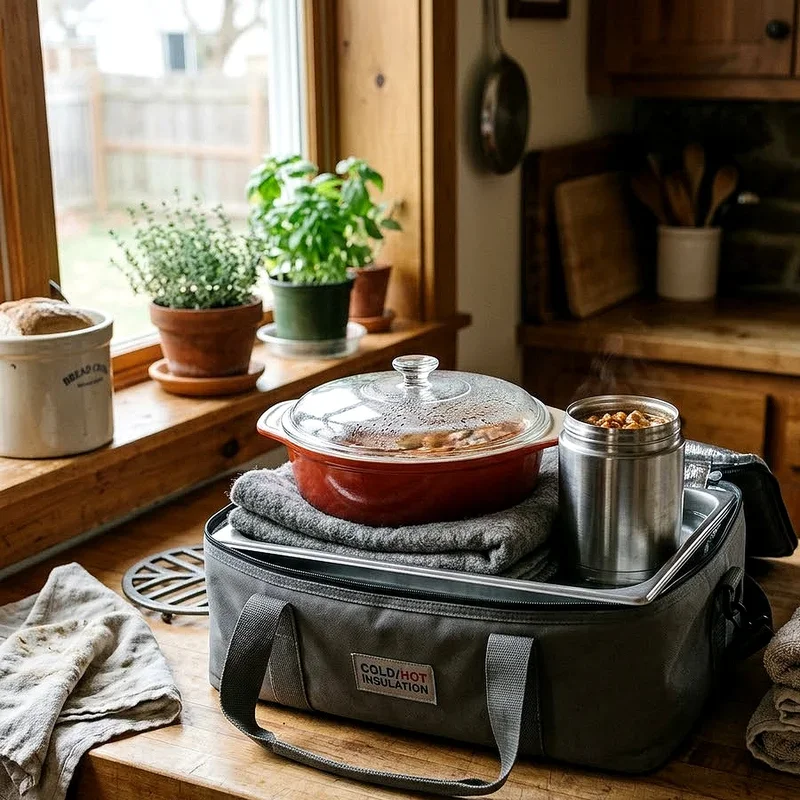
Picture this. You have spent hours in the kitchen preparing a gorgeous spread for your family, and suddenly the power goes out. Or maybe you are heading to a potluck, a camping trip, or an outdoor gathering where there is simply no outlet in sight. Whatever the situation, nobody wants to serve lukewarm food that has lost all its charm. The good news is that people kept meals piping hot for centuries before electricity was even a thing, and those tricks still work like a charm today. Understanding how to keep food warm without electricity safely is not just a nice skill to have. It is practically essential for anyone who loves good food and wants to serve it at its best..
Why Keeping Food Warm Matters More Than You Think
A lot of folks tend to brush off food temperature as no big deal. But here is the thing. Temperature is not just about taste and comfort. It is actually a food safety issue. When cooked food drops below 140 degrees Fahrenheit, it enters what food safety experts call the danger zone, that range between 40 and 140 degrees where bacteria can multiply rapidly. Leaving food sitting in that range for more than two hours is basically rolling the dice with your health. So when we talk about keeping food warm, we are also talking about keeping it safe. That is why learning how to keep food warm without electricity safely is something every home cook, outdoor enthusiast, and event planner should take seriously.
The Insulation Method and Why It Works So Well
If you have ever wrapped a casserole dish in towels and noticed it was still hot an hour later, you have already stumbled onto one of the simplest warming techniques around. Insulation works by trapping heat and slowing down the rate at which it escapes from your food. The concept is straightforward, but the results can be surprisingly effective.
Using Towels and Blankets
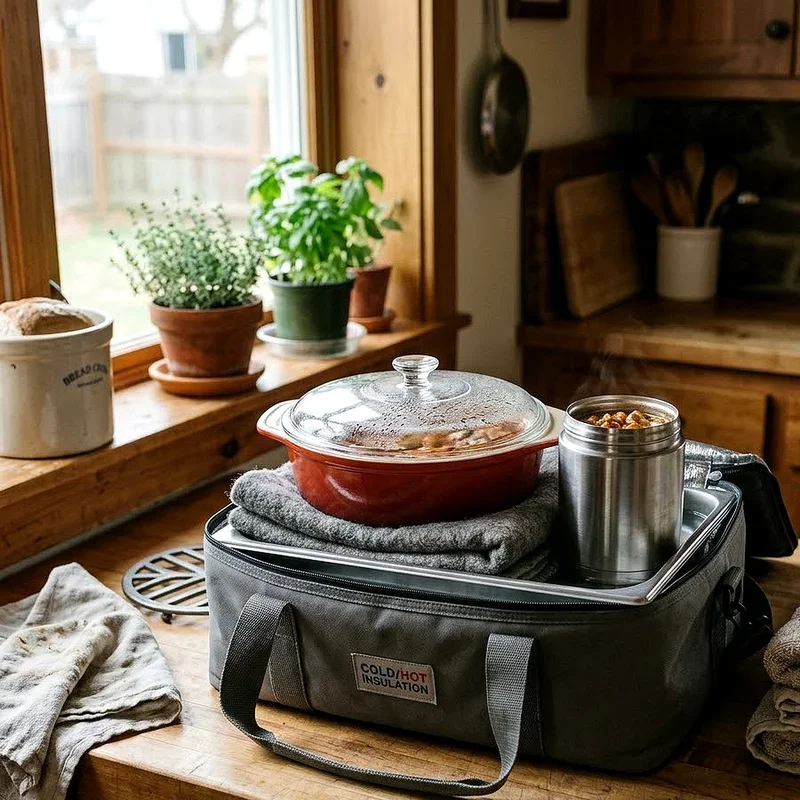
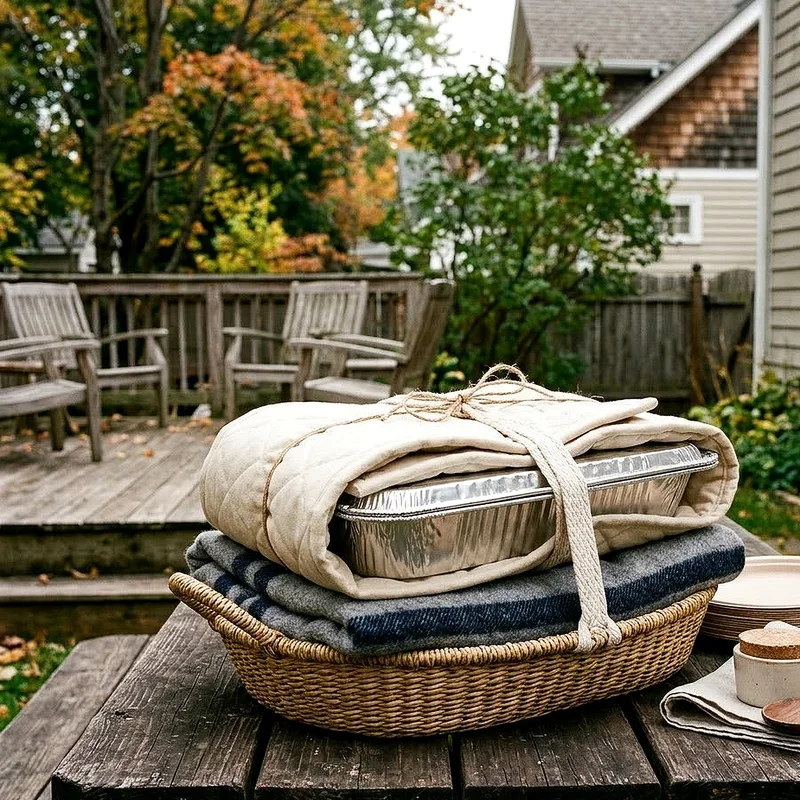
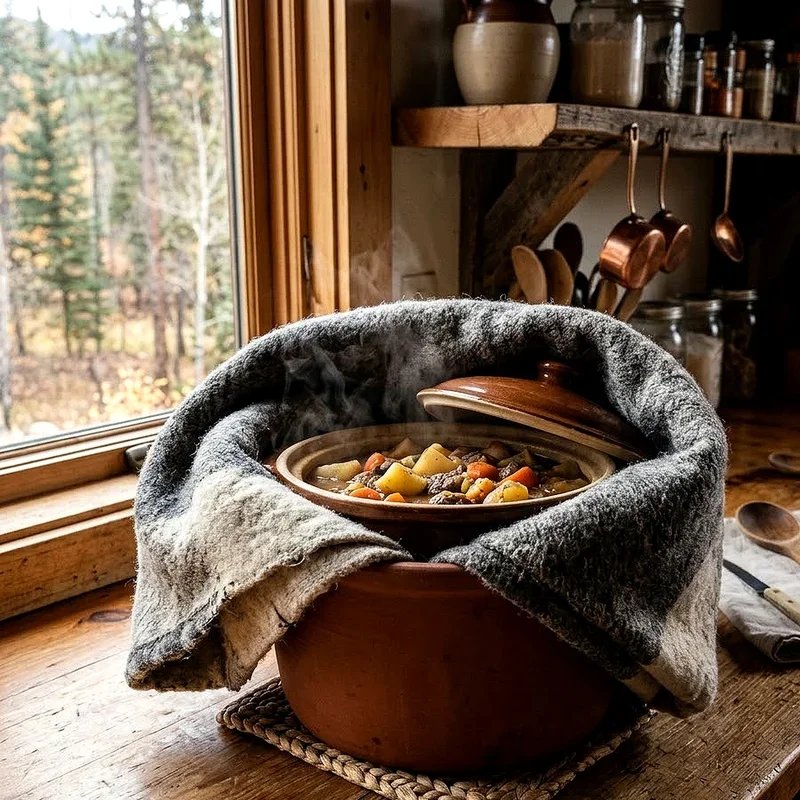
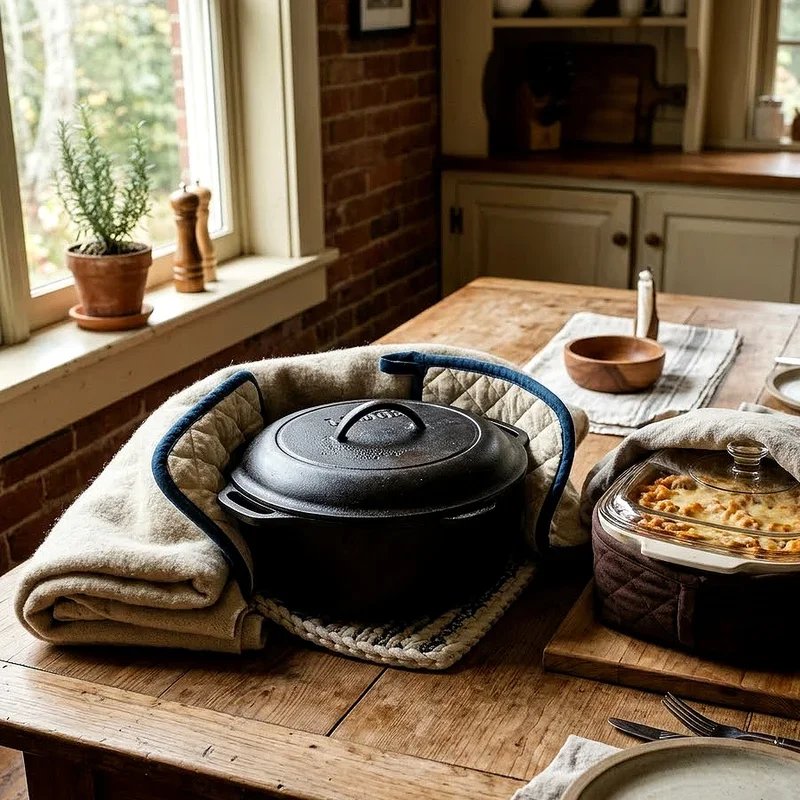
Wrapping hot dishes in thick towels, blankets, or even a sleeping bag creates a buffer of still air around the container. That air acts as an insulator, keeping the warmth locked in for quite a while. This method works best when your food is already very hot and you just need to maintain the temperature during transport or a short waiting period. For best results, preheat the towels by tossing them in the dryer for a few minutes before wrapping.
Newspaper as a Surprise Insulator
Believe it or not, newspaper is a fantastic insulator. Wrapping your pots and containers in several layers of newspaper before covering them with a towel can add an extra hour or more of heat retention. It is an old trick that grandmothers around the world have used for generations, and it costs almost nothing.
Cooler Bags and Insulated Totes
Here is a little secret that catches people off guard. Your cooler is not just for keeping things cold. It is actually a brilliant tool for keeping things warm too. The same insulation that keeps ice from melting will also prevent heat from escaping. Just place your hot dishes inside a clean cooler, toss a few towels around them to fill any empty space, and close the lid. Your food can stay above safe temperatures for several hours this way.
Hot Water Bath Technique for Steady Warmth
This one is a classic that restaurants have relied on for ages, and you can easily pull it off at home or outdoors without any electricity at all.
Setting Up a Simple Water Bath
Fill a large pot or basin with very hot water, just below boiling. Then place your covered dish or container directly into the water. The hot water surrounding your food container transfers heat evenly and keeps things warm much longer than air alone. This method is particularly great for sauces, soups, and gravies that can cool down quickly.
Tips for Making It Last
To squeeze the most warmth out of this technique, start with the hottest water you can safely handle. Cover the outer pot with a lid or towel to trap steam. If you are outdoors, you can heat the water over a campfire or portable gas stove beforehand. Refilling with fresh hot water every hour or so will extend the warming time significantly.
Chafing Dishes and Sterno Fuel
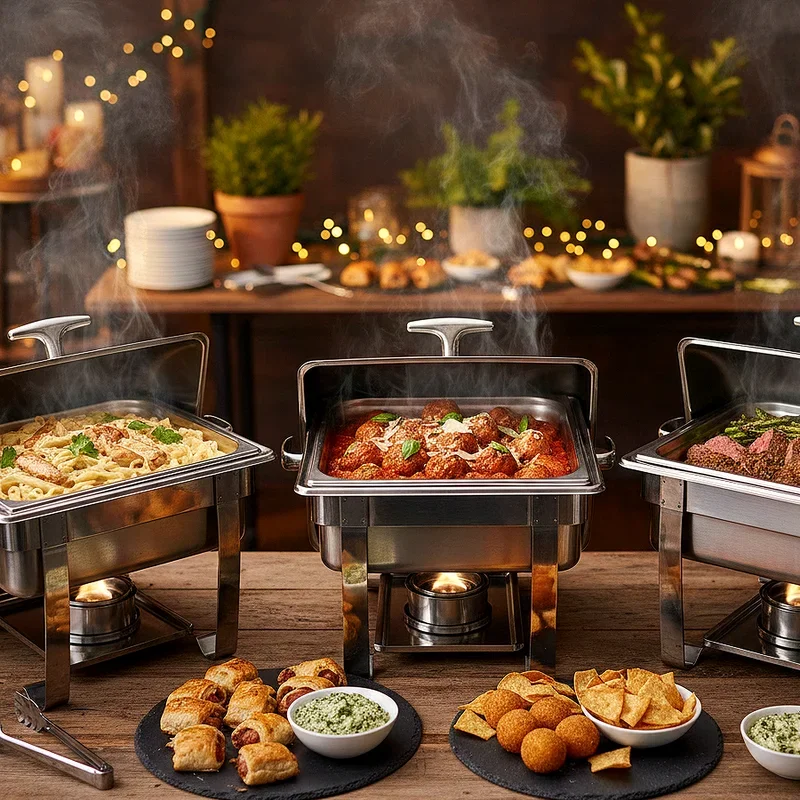
Now we are getting into the territory of proper food warming setups. Chafing dishes are those metal trays you often see at buffets and catered events, and they work with small cans of fuel called Sterno. These little cans burn a gel fuel that produces a steady, gentle flame underneath your food trays.
How to Use Them Properly
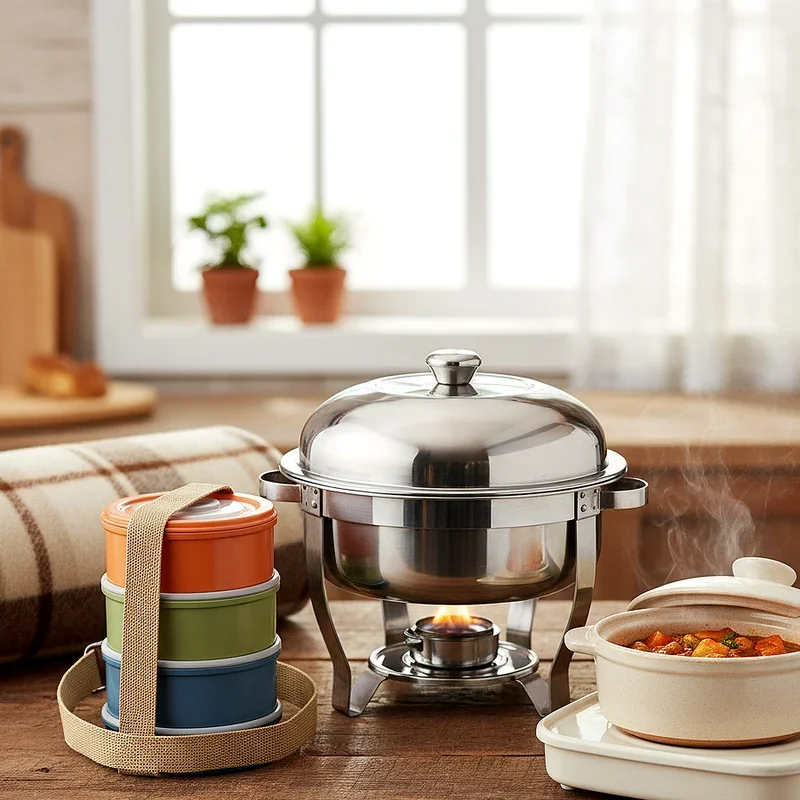
Setting up a chafing dish is dead simple. You place a water pan on the frame, set it over the lit Sterno can, and then place your food pan on top. The warm water underneath distributes heat evenly, and the flame keeps everything toasty for hours. One can of Sterno typically lasts about two to three hours, which is usually more than enough for a meal or event.
Safety Precautions with Open Flame
Since you are dealing with an open flame, there are some common sense precautions to keep in mind. Always use chafing dishes on a stable, heat resistant surface. Keep them away from anything flammable like tablecloths, paper plates, or decorations. Never leave them unattended around children or pets, and always extinguish the flame by placing the cap back on the Sterno can rather than trying to blow it out.
Thermal Cookers and Vacuum Insulated Containers
If you want a more modern solution that still does not require electricity, thermal cookers are a game changer. These clever devices use vacuum insulation to keep food warm for hours on end, and some models can even continue the cooking process after you take them off the heat.
How Thermal Cookers Work
You bring your food to a boil on a regular stove or fire, then transfer the inner pot into the insulated outer container. The vacuum sealed walls prevent heat from escaping, and your food stays hot for up to eight hours depending on the model. It is like a slow cooker that does not need to be plugged in. Pretty nifty, right?
Vacuum Insulated Food Jars
For individual portions, vacuum insulated food jars are a lifesaver. Brands like Thermos and Stanley make sturdy containers that can keep soups, stews, and other hot foods at safe temperatures for five to seven hours. They are perfect for packed lunches, road trips, or any situation where you need a single serving kept warm.
How to Keep Food Warm Without Electricity Safely During Outdoor Events
Outdoor gatherings present their own unique set of challenges. You are dealing with wind, fluctuating temperatures, and often a lack of any nearby kitchen. But with a bit of planning, you can absolutely pull it off.
Plan Your Timing Carefully
One of the best strategies is simply cooking your food as close to serving time as possible. The less time food needs to stay warm, the easier it is to manage. If you are grilling, keep finished items on the cooler side of the grill away from direct flame to maintain warmth without overcooking.
Use Multiple Warming Methods Together
Do not be afraid to combine techniques. For example, you could place food in insulated containers, wrap those in towels, and then tuck everything into a cooler. Layering your warming methods gives you a much better safety net and extends the overall time your food stays at a safe temperature.
Create a Warming Station
Setting up a dedicated warming station at your event makes everything more organized. Use a folding table with chafing dishes for main courses, insulated containers for sides, and a large thermos for soups or beverages. Having everything in one spot also makes it easier to monitor temperatures and swap out cooling dishes.
Common Mistakes People Make When Keeping Food Warm
Even with the best intentions, there are some pitfalls that can trip people up. Being aware of them will save you from serving food that is either unsafe or unappetizing.
Not checking temperatures is probably the biggest one. Investing in a simple food thermometer takes the guesswork out of the equation. Just stick it into your food periodically and make sure it is staying above that 140 degree mark.
Opening containers too frequently is another common blunder. Every time you lift a lid or unwrap a towel, you let precious heat escape. Try to keep things sealed until it is actually time to serve.
Overcrowding your warming setup can also cause problems. When containers are packed too tightly, heat does not circulate properly, and some dishes can end up cooling faster than others. Give each dish a little breathing room for the best results.
Finally, some people make the mistake of reheating food that has already dropped into the danger zone. Once food has been sitting below 140 degrees for more than two hours, it is safer to discard it rather than trying to bring it back up to temperature.
Bonus Tips for Maximum Heat Retention
Here are a few extra tricks that can make a real difference in keeping your meals warm.
Preheating your containers before adding food helps tremendously. Pour boiling water into your thermos, insulated bag, or serving dish and let it sit for a few minutes before draining and adding your food. This prevents the container from stealing heat from your meal.
Aluminum foil is your friend. Wrapping dishes tightly in foil before insulating them adds another layer of heat retention. The foil reflects radiant heat back toward the food rather than letting it dissipate.
Dense, heavy foods like stews, casseroles, and baked beans retain heat much longer than thin, spread out items like sliced meats or salads. Keep this in mind when planning your menu for events where warming is a concern.
Keeping food in larger portions rather than dividing it into small servings ahead of time also helps. Larger volumes of food hold heat much more efficiently than smaller ones.
Conclusion
Keeping food warm without power is honestly a lot simpler than most people realize. Whether you rely on insulation tricks, hot water baths, chafing dishes, or thermal cookers, there are plenty of reliable options at your fingertips. The key is planning ahead, monitoring temperatures, and using the right tools for the job. With these methods in your back pocket, you will never have to worry about serving a cold meal again, no matter where you are or what the situation throws at you.
Read next: How to Keep Food Warm at Parties, Events, or Home
Frequently Asked Questions
Q1. What is the safest temperature to keep warm food at?
A: Food should stay above 140 degrees Fahrenheit to remain safe for consumption.
Q2. How long can food stay warm in an insulated cooler?
A: Properly insulated food can stay warm inside a sealed cooler for three to five hours.
Q3. Are Sterno cans safe to use indoors for warming food?
A: Yes, Sterno cans are generally safe indoors when used with proper ventilation and supervision.
Q4. Can I use a regular thermos to keep food warm all day?
A: A quality vacuum thermos can keep food warm for about five to seven hours maximum.
Q5. Is it safe to eat food that has cooled below 140 degrees?
A: Food below 140 degrees for over two hours should be discarded for safety reasons.
Stay up to date with our latest ideas!