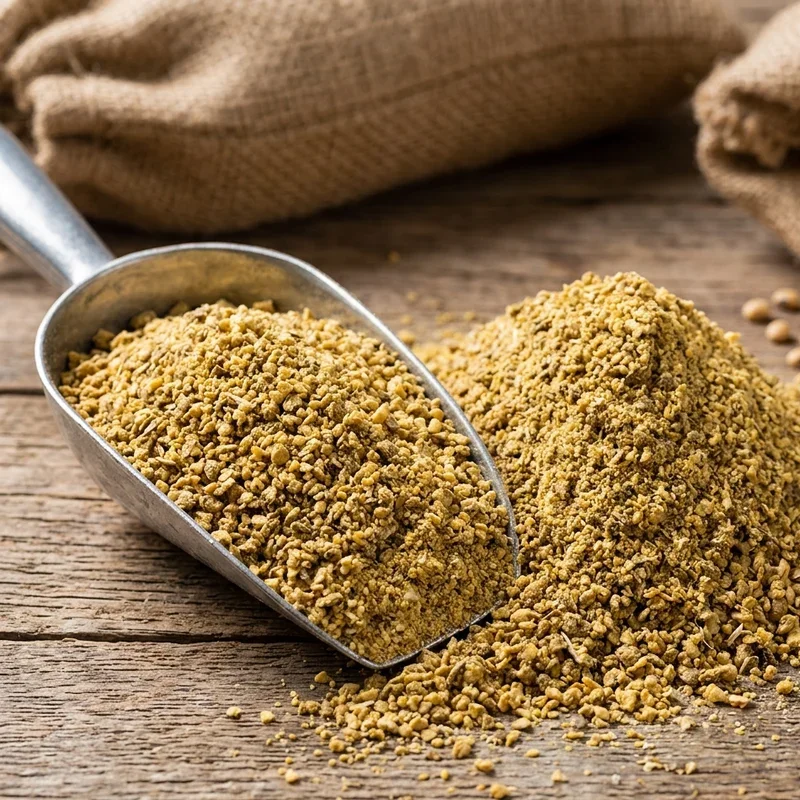
What Is Canola Meal? A Simple Nutrition Guide
Learn what is canola meal in this simple nutrition guide covering its benefits, uses, nutrient profile, and feeding tips.
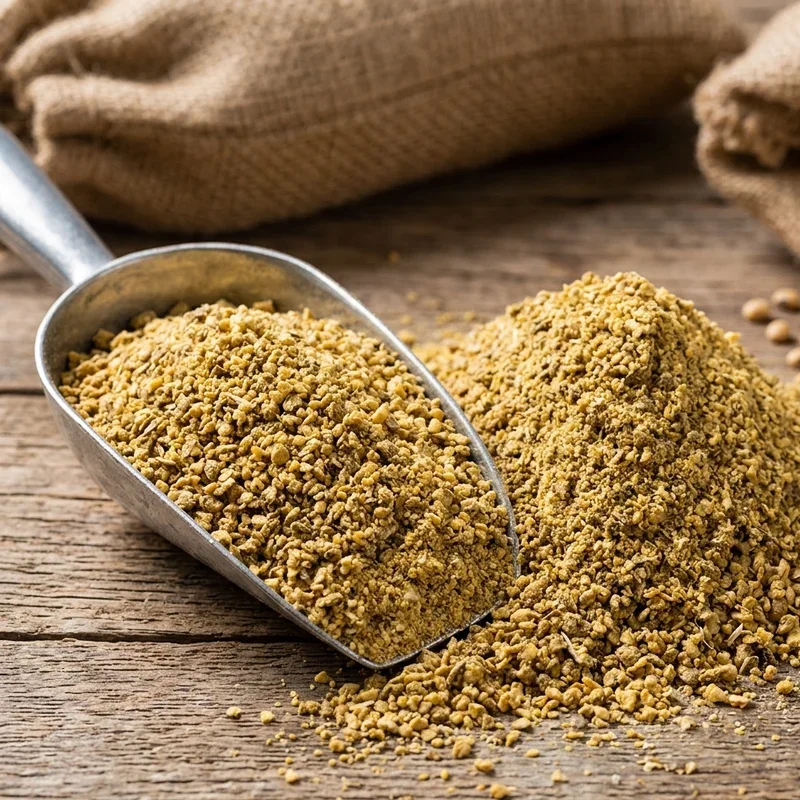
If you've ever wandered through a feed store or scrolled through livestock nutrition forums, chances are you've come across canola meal at some point. Maybe someone recommended it for your dairy herd. Maybe you spotted it on an ingredient label and wondered what it actually was. Or perhaps you're just the curious type who likes to know what goes into the food chain, from field to trough to table.
Whatever brought you here, you're in the right place. This guide on what is canola meal covers everything you need to know about this versatile, protein-packed feed ingredient. We're talking about where it comes from, what makes it nutritionally valuable, how it stacks up against other protein sources, and how to use it effectively in animal diets. No jargon overload, no textbook lectures, just practical information you can actually put to use.
Canola meal has quietly become one of the most widely used protein supplements in the livestock industry, yet it still flies under the radar compared to big names like soybean meal. That's a shame, because it's got a lot going for it. So let's pull back the curtain and give canola meal the spotlight it deserves.
What Is Canola Meal? A Simple Nutrition Guide to the Basics
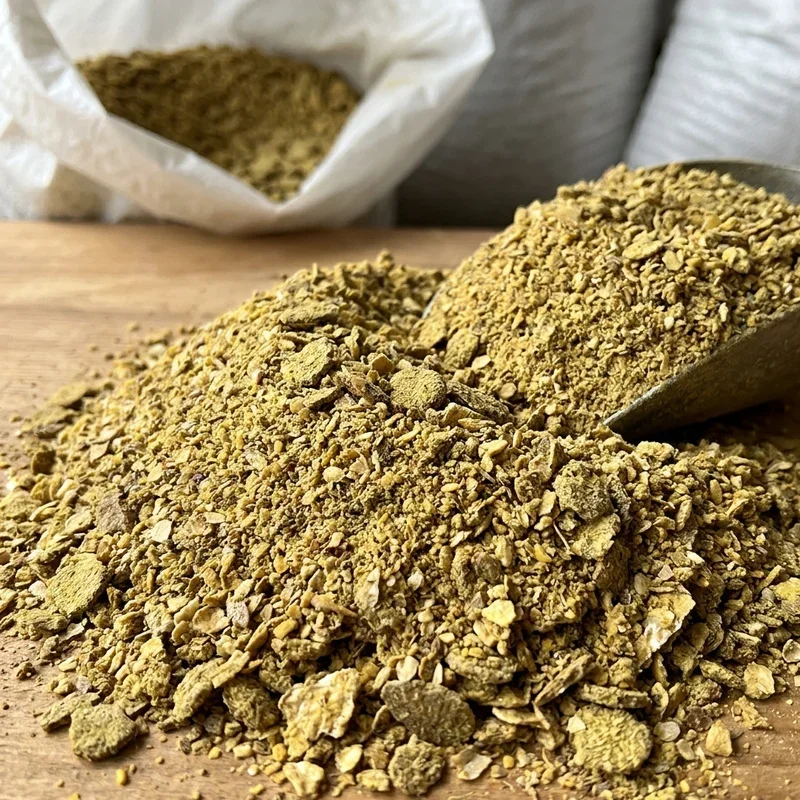
Let's start at the very beginning. Canola meal is a byproduct of canola oil production. When canola seeds are crushed and pressed to extract their oil, what's left behind is a dry, crumbly material packed with protein, fiber, and a range of essential nutrients. That leftover material is canola meal.
The process is pretty straightforward. Canola seeds go through either mechanical pressing or solvent extraction, sometimes both. Mechanical pressing squeezes the oil out physically, while solvent extraction uses a chemical called hexane to pull out any remaining oil. After the oil is removed and the solvent evaporated, you're left with canola meal ready for processing into animal feed.
Now, you might hear people use the terms "canola meal" and "canola cake" or even "rapeseed meal" interchangeably. There are some differences worth noting, though. Canola meal typically refers to the product from solvent extraction, which has a lower fat content, usually around 2 to 4 percent. Canola cake, on the other hand, comes from mechanical pressing alone and retains more residual oil, often around 8 to 12 percent. Rapeseed meal is the broader category, and canola is actually a specific variety of rapeseed that was bred to have low levels of erucic acid and glucosinolates, making it much safer and more palatable for animal feeding.
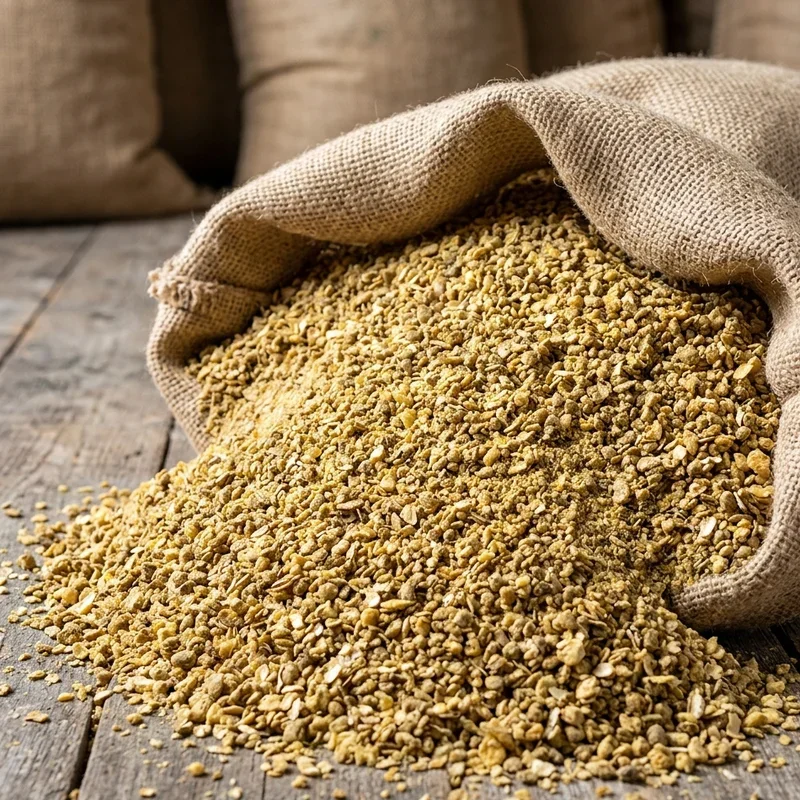
The Nutritional Profile of Canola Meal
Here's where things get really interesting. Canola meal punches well above its weight when it comes to nutritional value, especially considering that it's essentially a leftover product from oil manufacturing.
Protein Content
Canola meal typically contains between 36 and 40 percent crude protein on a dry matter basis. That's a substantial amount, putting it in the same conversation as some of the more established protein supplements in the feed industry. The protein quality is solid too. Canola meal has a well-balanced amino acid profile, with particularly good levels of methionine and cysteine, which are sulfur-containing amino acids that many other plant-based protein sources tend to lack.
Energy Value
The energy content of canola meal is moderate. It's not going to replace your energy-dense grains, but it contributes a reasonable amount of metabolizable energy to the diet. Solvent-extracted canola meal runs lower in energy because most of the fat has been removed. Expeller-pressed or cold-pressed varieties retain more oil and therefore carry more energy per pound.
Fiber Content
Canola meal is higher in fiber than soybean meal, which is one of the key differences between the two. It contains around 12 to 18 percent crude fiber, depending on the processing method and the amount of hull material present. This higher fiber content means that canola meal is slightly less energy-dense, but it also means it contributes to gut health and rumen function in ruminant animals.
Minerals and Vitamins
On the mineral front, canola meal is a decent source of phosphorus, calcium, magnesium, and several trace minerals including selenium, zinc, and manganese. It also contains B vitamins, particularly niacin and choline, which play important roles in metabolism and overall animal health.
Anti-Nutritional Factors
No feed ingredient is perfect, and canola meal does have a couple of things to watch out for. Glucosinolates are naturally occurring compounds found in all brassica plants, including canola. Modern canola varieties have been bred to have very low glucosinolate levels, but they're not zero. In high concentrations, glucosinolates can interfere with thyroid function and reduce palatability. The good news is that the levels found in properly processed canola meal are well within safe limits for virtually all livestock species.
Phytic acid is another consideration. Like most plant-based feeds, canola meal contains phytic acid, which can bind to minerals like phosphorus and make them less available for absorption. This is more of a concern in monogastric animals like pigs and poultry than in ruminants, whose digestive systems are better equipped to handle it.
Canola Meal vs. Soybean Meal: How Do They Compare?
This is the matchup everyone wants to see. Soybean meal has been the king of protein supplements for decades, so how does canola meal measure up?
In terms of raw protein content, soybean meal has the edge. It typically runs between 44 and 48 percent crude protein compared to canola meal's 36 to 40 percent. So pound for pound, you're getting more protein from soybean meal.
However, protein isn't the whole story. Canola meal has a superior amino acid profile in certain respects, especially when it comes to methionine. For dairy cows, where methionine is often the first limiting amino acid, canola meal can actually outperform soybean meal in terms of productive response per unit of protein fed.
The fiber content difference also matters depending on the animal. For ruminants, the higher fiber in canola meal isn't a drawback at all. It fits naturally into forage-based diets and supports healthy rumen fermentation. For poultry and swine, the extra fiber can limit how much canola meal you include in the ration because it dilutes the energy density.
Price is another factor that often tips the scales. Canola meal is frequently cheaper than soybean meal, especially in regions where canola is grown and processed locally. Getting similar or better animal performance at a lower feed cost is the kind of math that makes farmers smile.
Then there's the question of genetically modified organisms. A significant portion of the global soybean supply is genetically modified, which matters to some producers and consumers. Canola has GMO varieties too, but there's also a robust supply of non-GMO and even organic canola meal available in many markets.
Who Can Eat Canola Meal? Feeding Applications by Species
Canola meal isn't a one-trick pony. It works across a wide range of livestock species, though the inclusion rates and considerations vary.
Dairy Cattle
Dairy cows are arguably the biggest fans of canola meal. Research has consistently shown that replacing soybean meal with canola meal in dairy rations maintains or even improves milk production. The methionine advantage really shines here, as it supports milk protein synthesis. Inclusion rates of 15 to 25 percent of the total ration dry matter are common and well-tolerated.
Beef Cattle
Beef cattle do well on canola meal too, especially in backgrounding and finishing rations where supplemental protein is needed. It works nicely as a complement to grain-based diets and can replace a portion of more expensive protein supplements without sacrificing performance.
Swine
Pigs can use canola meal effectively, though there are some limitations. The higher fiber content means it's better suited for gestating sows and growing pigs than for young piglets with limited gut capacity. Inclusion rates of 10 to 20 percent of the diet are typical for growing and finishing pigs, while sows can handle higher levels without issue.
Poultry
For broilers and laying hens, canola meal can be included at moderate levels, usually up to about 10 to 15 percent of the diet. The fiber and glucosinolate content are the main limiting factors for poultry. Laying hens tend to tolerate it a bit better than fast-growing broilers, and some producers have pushed inclusion rates higher with good results when the meal is of high quality.
Aquaculture
Here's one that surprises people. Canola meal has been gaining traction in aquaculture feeds, particularly for species like trout, salmon, and tilapia. It serves as a partial replacement for fishmeal, which is becoming increasingly expensive and environmentally contentious. Processing techniques like fermentation and enzyme treatment are being explored to further improve its digestibility for fish.
Horses
Horses can consume canola meal in small amounts as part of a balanced diet, though it's not commonly used as a primary protein source in equine nutrition. The higher fiber isn't a problem for horses, but palatability can sometimes be an issue. Mixing it with more appealing feeds usually solves that.
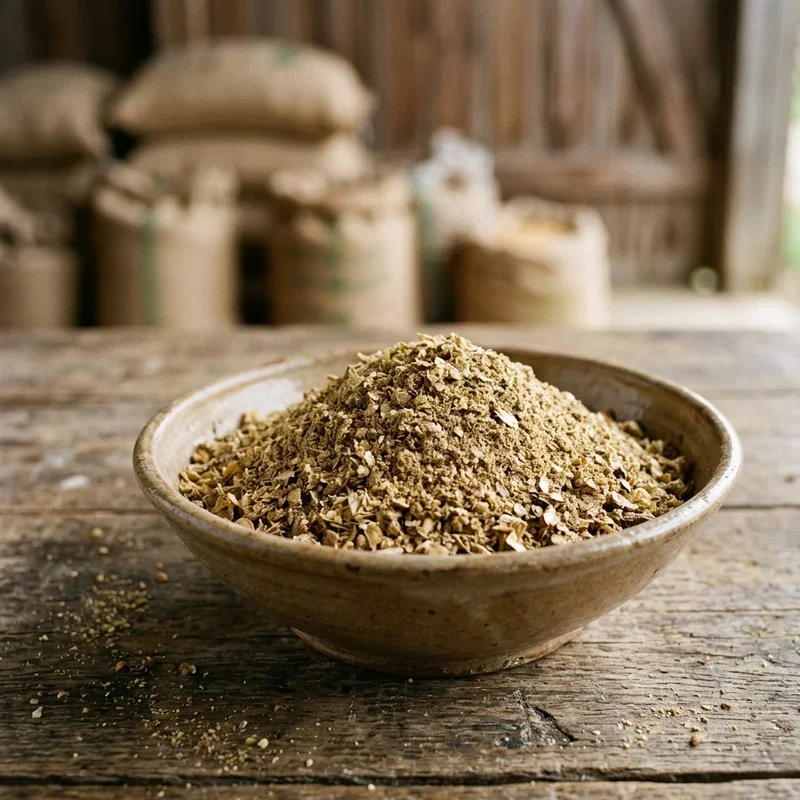
How Canola Meal Is Processed and Why It Matters
The way canola meal is processed has a direct impact on its nutritional value, and not all canola meal is the same.
Solvent Extraction
This is the most common method used in large-scale canola processing. After initial crushing, hexane is used to extract nearly all the remaining oil from the seed. The resulting meal is low in fat, typically around 2 to 4 percent, and has a consistent, predictable nutrient profile. The heat applied during processing can affect protein quality, though. Excessive heat denatures proteins and reduces amino acid availability, particularly lysine. Well-managed processing plants keep temperatures in check to preserve nutritional quality.
Expeller Pressing
Expeller-pressed canola meal retains more oil, usually in the range of 6 to 12 percent, which gives it a higher energy value. The protein content is similar to solvent-extracted meal, but the amino acid availability can be better because less heat is typically involved. The trade-off is that expeller-pressed meal is less shelf-stable due to the higher fat content, which can go rancid over time if not stored properly.
Cold Pressing
Cold-pressed canola meal is the least processed option. The seeds are pressed at lower temperatures without solvents, preserving more of the natural nutrients and bioactive compounds. This type of meal is popular in organic and specialty feed markets. The fat content is the highest of the three methods, often 10 to 14 percent, and the overall nutrient profile tends to be the most intact.
Storing Canola Meal the Right Way
Proper storage is important for maintaining the quality and safety of canola meal over time.
Keep it in a cool, dry place away from direct sunlight. Moisture is the biggest enemy. If canola meal gets damp, it can develop mold, which not only destroys nutritional value but can produce mycotoxins that are harmful to animals.
Solvent-extracted meal stores the longest because of its low fat content. Expeller-pressed and cold-pressed varieties should be used within a few weeks of purchase, or stored in sealed containers to minimize exposure to air and moisture.
Check the meal regularly for off smells, clumping, or discoloration. Any of these signs suggest that quality is deteriorating and the product may no longer be safe to feed.
The Environmental Angle: Why Canola Meal Makes Sense
There's a sustainability story worth telling here too. Using canola meal as animal feed is an efficient use of resources because it takes a byproduct that would otherwise go to waste and turns it into high-quality animal nutrition.
Canola is also a beneficial crop in rotation systems. It breaks pest and disease cycles in cereal-heavy rotations, improves soil structure with its deep taproot, and supports pollinator populations with its bright yellow flowers. When the oil goes to food production and the meal goes to animal feed, the entire plant is being utilized, which is about as efficient as agriculture gets.
The carbon footprint of canola meal is generally lower than that of some alternative protein sources, particularly those that require extensive transportation or are linked to deforestation. Sourcing canola meal locally, where possible, further reduces the environmental impact.
What Is Canola Meal? A Simple Nutrition Guide to Getting the Most Out of It
So how do you actually maximize the value of canola meal in your feeding program? Here are some practical tips.
Introduce canola meal gradually into the diet to allow animals time to adjust.
Balance it with other protein and energy sources rather than relying on it exclusively.
Pay attention to the type of processing when comparing products, as nutrient values can differ significantly.
Work with a nutritionist to formulate rations that account for the specific amino acid profile of canola meal.
Monitor animal performance closely during the transition period, watching for changes in intake, production, or body condition.
Store meal properly and check quality regularly to avoid feeding spoiled product.
Getting the formulation right is where the real value lies. Canola meal works best when it's part of a thoughtfully designed diet that plays to its strengths, mainly its protein quality and methionine content, while compensating for its limitations in energy density and fiber.
The Growing Market for Canola Meal
The demand for canola meal has been climbing steadily over the past couple of decades. Global canola production continues to expand, driven largely by the growing appetite for canola oil in both food and biofuel applications. As more oil is produced, more meal becomes available as a co-product.
Canada is the world's largest producer and exporter of canola, and its canola meal is shipped to markets across Asia, North America, and Europe. Australia, the European Union, and China are also major players in canola production and processing.
The livestock feed industry is increasingly recognizing canola meal as a reliable, cost-effective protein source that holds its own against more traditional options. As research continues to validate its performance across different species and production systems, adoption is only expected to grow.
Conclusion
This guide on what is canola meal has covered the essentials, from its origins as a byproduct of oil extraction to its impressive protein and amino acid profile. Whether you're feeding dairy cows, beef cattle, pigs, or poultry, canola meal offers a versatile and economical protein option that deserves a spot in your feed program. With proper inclusion rates, smart storage, and balanced formulation, it delivers strong nutritional value that competes head to head with more expensive alternatives.
Read next: 16 Thermos Lunch Ideas for Adults on the Go
Frequently Asked Questions
1.What exactly is canola meal and where does it come from?
Canola meal is the protein-rich byproduct remaining after oil is extracted from canola seeds.
2.Is canola meal safe to feed to all types of livestock animals?
Yes, canola meal is safe for cattle, pigs, poultry, fish, and horses at appropriate levels.
3.How does canola meal compare nutritionally to soybean meal overall?
Canola meal has less protein but offers superior methionine levels and is often more affordable.
4.Can canola meal be used as the sole protein source in rations?
It works best combined with other protein sources rather than being used entirely on its own.
5.How should canola meal be stored to maintain its quality over time?
Store canola meal in a cool, dry, well-ventilated area away from moisture and direct sunlight.
Stay up to date with our latest ideas!