Is Pho a Breakfast Food? Origins and Traditions
Discover if pho is truly a breakfast food. Explore the rich origins and traditions behind Vietnam's beloved noodle soup dish.
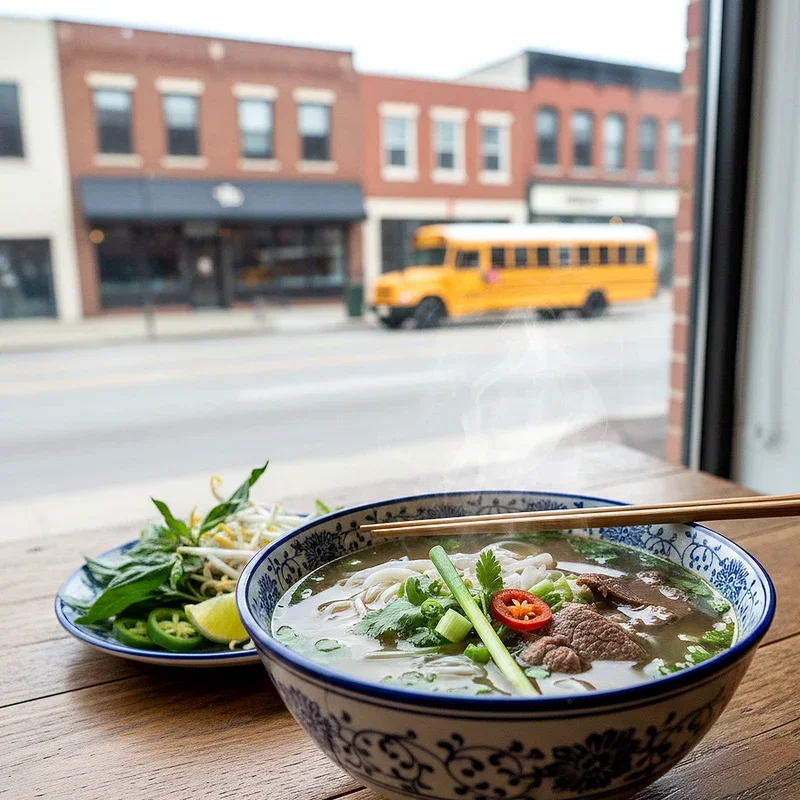
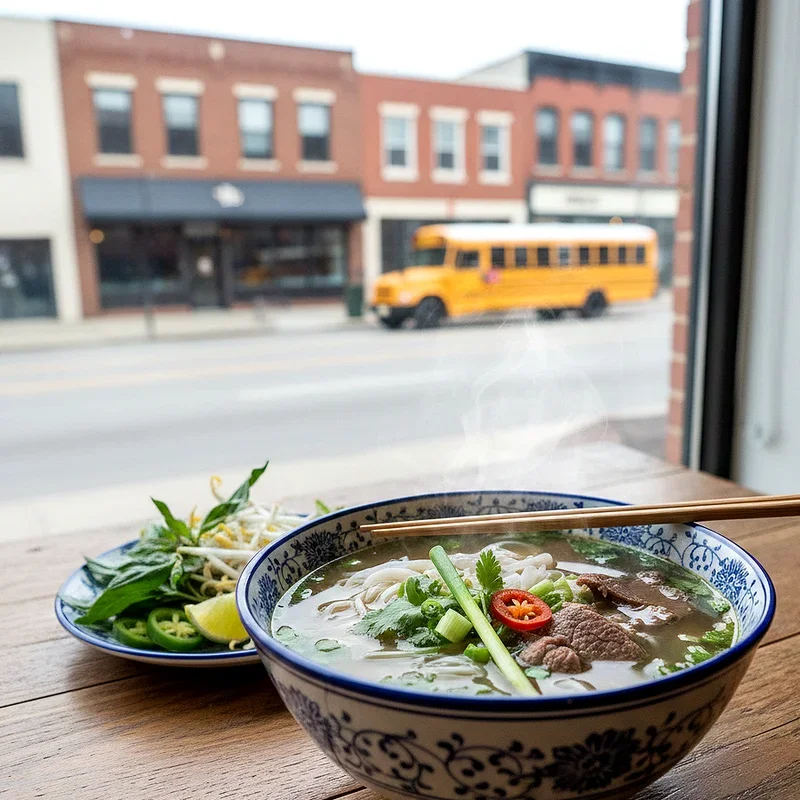
Picture this: the sun barely peeks over the horizon in Hanoi, and already the streets hum with life. Steam rises from massive pots, filling the air with an aroma so intoxicating it could wake the dead. Locals huddle over bowls of broth so clear you'd swear it held liquid gold. This scene plays out every single morning across Vietnam, sparking a fascinating question that food lovers worldwide have pondered for years. When folks from Western countries first encounter pho, they often scratch their heads in confusion. Soup for breakfast? Really? It seems almost counterintuitive to those raised on cereals, toast, and maybe a quick cup of coffee. Yet for millions of Vietnamese people, starting the day without this aromatic bowl would feel as strange as skipping your morning caffeine fix entirely.
The Historical Roots of Pho in Vietnamese Culture
To understand why Vietnamese people slurp noodles at dawn, you've gotta travel back in time a bit. Pho emerged in northern Vietnam during the late 19th and early 20th centuries, though pinpointing its exact birthplace remains a topic of friendly debate among food historians. Some claim Hanoi as the cradle of this culinary masterpiece, while others point to Nam Dinh province with equal conviction.
French colonial influence played an unexpected role in pho's development. When the French occupied Vietnam, they brought their appetite for beef along with them. Before this period, Vietnamese cuisine rarely featured beef as a primary protein. The colonizers established slaughterhouses, and suddenly beef bones became readily available to local cooks who wasted nothing. These resourceful chefs transformed what others discarded into the foundation of something extraordinary.
The name itself sparks linguistic curiosity among scholars and foodies alike. Many believe pho derives from the French word "feu," referring to pot-au-feu, a classic French beef stew. Others argue it comes from the Cantonese word for noodles. Whatever its etymological origins, pho evolved into something distinctly Vietnamese, a dish that captured the soul of a nation.
Early morning consumption wasn't arbitrary or random. Vietnamese workers, particularly those in agricultural communities, needed substantial fuel before heading to the fields. A bowl packed with rice noodles, protein, and nutrient-rich broth provided exactly the sustained energy required for a long day of physical labor. It made practical sense in ways that a croissant simply couldn't match.
Why Morning Becomes the Perfect Time for Pho
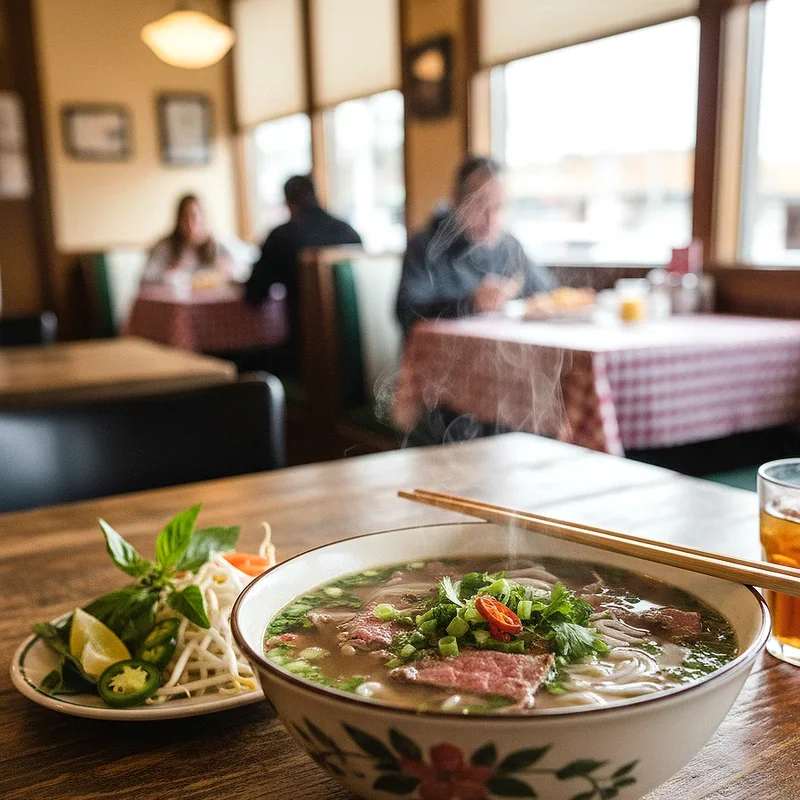
Here's the thing about pho that surprises many newcomers: the broth takes forever to make properly. We're talking anywhere from six to twelve hours of gentle simmering to coax every last drop of flavor from those bones. Traditional pho shops begin their preparation the night before, with cooks tending massive cauldrons through the wee hours.
By sunrise, that broth has reached its peak. It's achieved that perfect clarity and depth that only time and patience can produce. Serving it in the morning means customers receive the freshest possible product, when the flavors sing most purely. Letting it sit throughout the day would diminish what makes pho special in the first place.
The Vietnamese approach to breakfast differs fundamentally from Western habits. While Americans might consider breakfast the least important meal or something to rush through, Vietnamese culture treats the morning meal with genuine respect. Starting your day with something warm, nourishing, and lovingly prepared sets a positive tone for everything that follows.
There's also something meditative about the morning pho ritual. Vendors set up their stalls before dawn breaks, arranging fresh herbs, bean sprouts, and condiments with careful precision. Regular customers know exactly when to arrive for optimal broth quality. This dance between vendor and customer creates community bonds that transcend mere commerce.
Regional Variations That Shaped Breakfast Traditions
Vietnam stretches over a thousand kilometers from north to south, and pho changes dramatically along that journey. Northern pho, particularly the Hanoi style, keeps things elegantly simple. The broth runs clear and subtle, the noodles sit flat and wide, and garnishes remain minimal. Purists from this region might look sideways at anything too elaborate.
Travel south to Saigon, and you'll encounter a completely different interpretation. Southern pho embraces abundance with open arms. Expect sweeter broth, an explosion of fresh herbs on the side, and hoisin sauce plus sriracha waiting at every table. The portions tend toward generosity, and nobody bats an eye at customization.
Central Vietnam brings its own twist to the table. The ancient imperial capital of Hue contributes bun bo Hue, a spicier cousin that often gets confused with pho by outsiders. While technically a different dish, it demonstrates how regional preferences shape breakfast soups throughout the country.
These variations developed partly because of available ingredients and partly through local taste preferences passed down through generations. What remained constant across all regions was the timing. Morning remained morning, regardless of whether your bowl leaned sweet or savory, simple or complex.
The Cultural Significance Beyond Just Eating
Understanding Is Pho a Breakfast Food? Origins and Traditions requires looking past the bowl itself. Pho functions as a social glue in Vietnamese society. Business deals happen over breakfast pho. Families reconnect during weekend morning meals. Old friends catch up while steam warms their faces.
The pho shop serves as a great equalizer. Construction workers sit elbow to elbow with office professionals. Wealth and status matter less when everyone's slurping from similar bowls. This democratic quality makes pho shops gathering places where Vietnamese society mingles in ways that might not occur elsewhere.
For Vietnamese people living abroad, morning pho becomes a powerful connection to home. Immigrant communities in cities like Houston, Los Angeles, and Paris maintain the breakfast tradition even when surrounded by different cultural norms. That first spoonful of properly prepared broth can transport someone thousands of miles back to their childhood kitchen.
The ritual extends beyond consumption to encompass preparation and sharing. Grandmothers pass recipes to daughters who pass them to granddaughters. Each family guards certain secrets about their spice blend or their preferred cut of meat. These closely held traditions carry emotional weight that outsiders might not immediately recognize.
Modern Adaptations and Global Spread
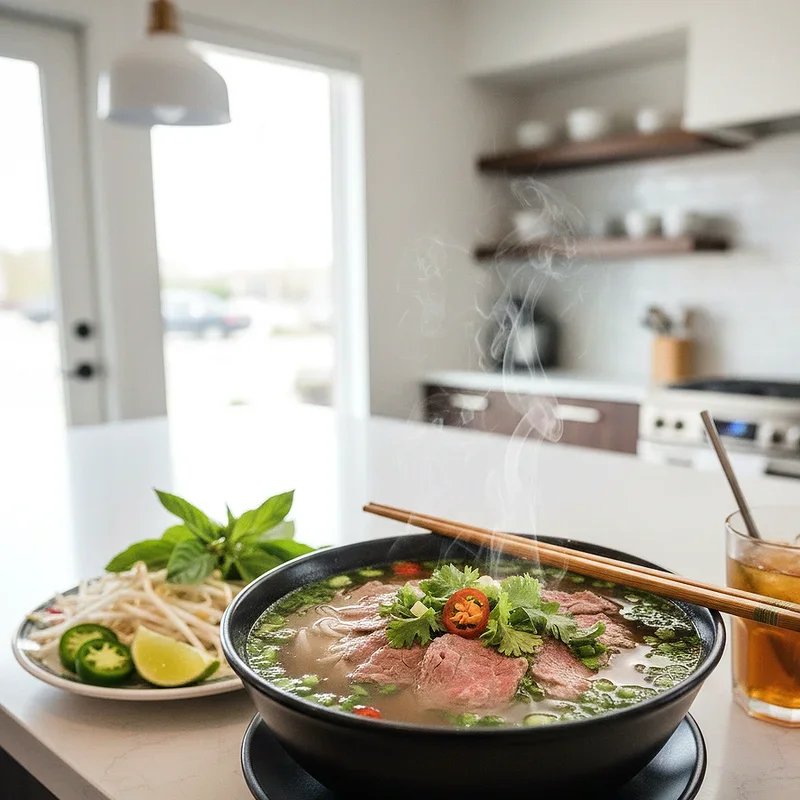
Pho has gone global in ways that early 20th century Vietnamese cooks could never have imagined. You'll find pho restaurants in virtually every major city worldwide, from London to Sydney to São Paulo. This expansion brought interesting adaptations and occasional controversies.
International pho consumption doesn't always follow breakfast traditions. Western restaurants typically serve pho during lunch and dinner hours, when customer traffic peaks. The morning timing that defines authentic Vietnamese practice often gets lost in translation. Some argue this fundamentally changes the dish's character, while others shrug and enjoy their evening bowl without concern.
Health-conscious eaters have embraced pho enthusiastically. The broth delivers protein and minerals without excessive fat. The noodles provide carbohydrates for energy. Fresh herbs add vitamins and antioxidants. Compared to many breakfast alternatives, pho looks remarkably nutritious on paper.
Fusion interpretations keep emerging as chefs experiment with the format. Chicken pho gained popularity among those avoiding beef. Vegetarian versions cater to plant-based diets. Some innovative cooks have created breakfast pho with poached eggs dropped directly into the broth, bridging cultural gaps in clever ways.
Debunking Common Misconceptions
Let's clear up some confusion that swirls around this topic. Many Western observers assume that eating soup for breakfast must feel heavy or uncomfortable. In reality, pho sits surprisingly light in the stomach. The warm broth actually aids digestion and provides gentle hydration after a night's sleep.
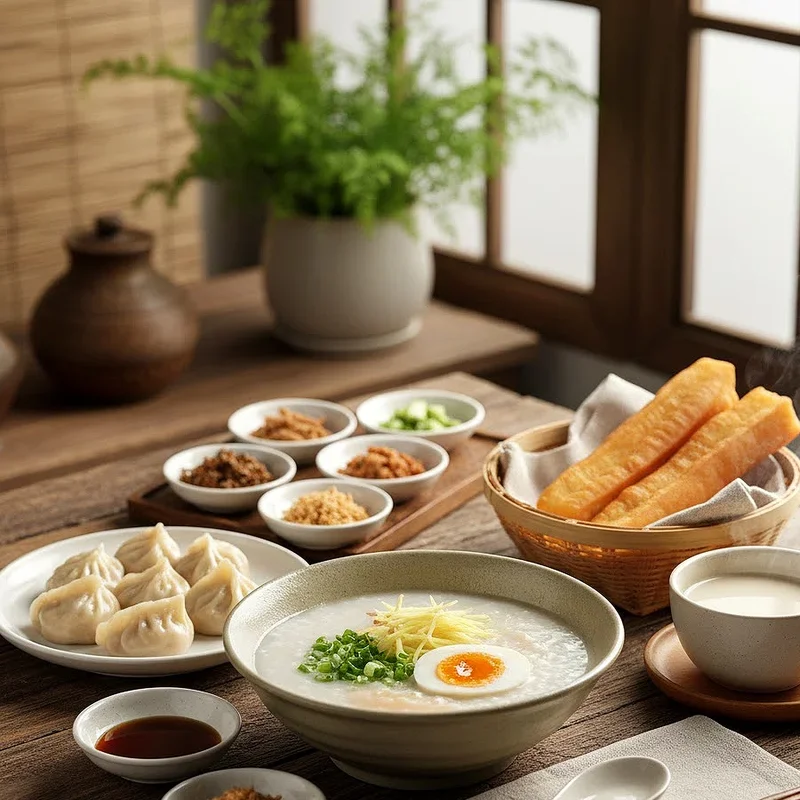
Another misconception holds that all Vietnamese people eat pho every single morning without exception. While pho enjoys tremendous popularity, Vietnamese breakfast options include plenty of variety. Banh mi sandwiches, sticky rice dishes, and congee all compete for morning attention. Pho represents one beloved choice among several.
Some people believe that authentic pho must contain beef and only beef. While pho bo (beef pho) might reign supreme traditionally, pho ga (chicken pho) has existed for generations. Both versions carry legitimate claims to authenticity, and regional preferences determine which dominates in any given area.
The idea that pho preparation requires extraordinary skill beyond home cooks also deserves examination. While restaurant-quality broth demands serious time investment, simplified home versions can satisfy perfectly well. Vietnamese home cooks have always adapted recipes to fit their circumstances and available resources.
Experiencing Pho the Traditional Way
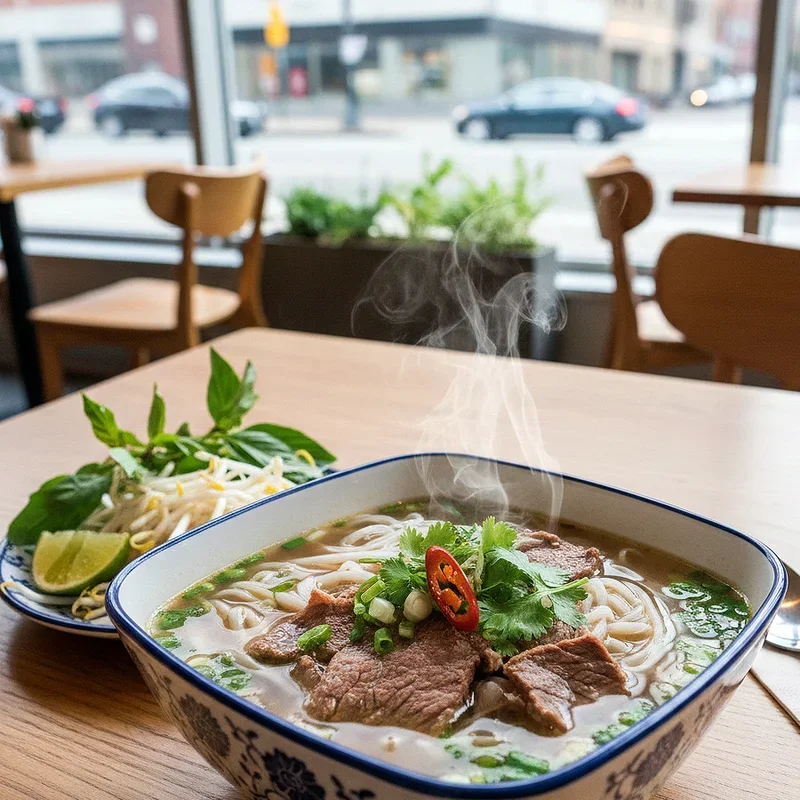
Should you find yourself in Vietnam with the chance to experience proper breakfast pho, certain guidelines will enhance your adventure. Wake up early, ideally before seven in the morning. The best shops often sell out by mid-morning, leaving latecomers disappointed.
Look for places where locals crowd around plastic stools. Tourist-oriented restaurants might offer air conditioning and comfortable seating, but the flavor frequently suffers. Those seemingly humble street stalls often guard recipes perfected over decades of daily practice.
Don't overwhelm your bowl immediately with every condiment available. Traditional northern diners add sparingly if at all, preferring to taste the broth in its pure form first. Southern eaters might pile on the herbs and sauces, but even they typically taste before adjusting.
Slurping is not only acceptable but encouraged. The sound indicates enjoyment and helps cool the noodles as they enter your mouth. Leave Western table manners at home and embrace the sensory experience fully. Pick up the bowl and drink the remaining broth directly when your noodles run out.
Conclusion
The question of Is Pho a Breakfast Food? Origins and Traditions reveals far more than simple meal timing preferences. This beloved dish carries over a century of cultural significance, practical wisdom, and culinary refinement within every steaming bowl. From French colonial influences to regional variations stretching across Vietnam, pho evolved into a morning ritual that nourishes both body and soul. Whether enjoyed at a Hanoi street stall or a restaurant halfway around the world, pho continues connecting people to traditions worth preserving.
Read next: 15 Asian Breakfast Ideas to Start Your Day Right
Frequently Asked Questions
Q1. Is pho traditionally eaten only for breakfast in Vietnam?
A: Pho is primarily a breakfast food, though Vietnamese people also enjoy it throughout the day.
Q2. Why do Vietnamese people prefer soup for breakfast instead of solid foods?
A: Warm broth aids digestion, provides hydration, and offers sustained energy for morning activities.
Q3. What is the main difference between northern and southern Vietnamese pho?
A: Northern pho features clear, subtle broth while southern versions taste sweeter with more garnishes.
Q4. Can I make authentic pho at home without special equipment or ingredients?
A: Yes, home cooks can prepare satisfying pho with patience and commonly available supermarket ingredients.
Q5. How long does traditional pho broth take to prepare properly?
A: Authentic pho broth requires six to twelve hours of gentle simmering for optimal flavor development.
Stay up to date with our latest ideas!