Wondering what to do with expired cans of food safely? Discover smart tips for checking, repurposing, and disposing of old canned goods at home.
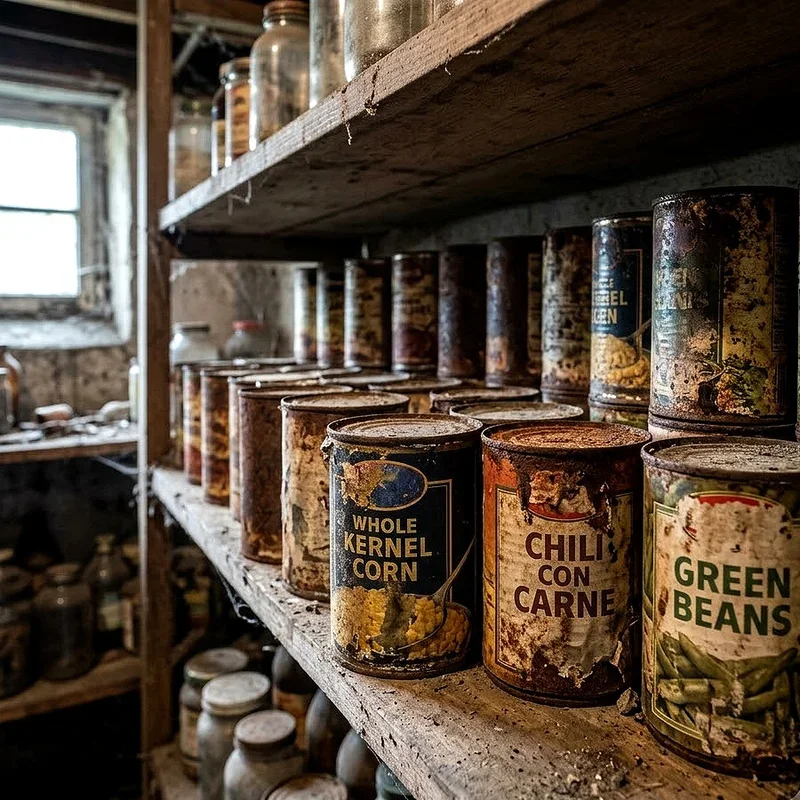
We have all been there. You are cleaning out the pantry on a lazy Sunday afternoon, and suddenly you pull out a can of soup that expired two years ago. Maybe it is a tin of beans you forgot about or some canned peaches that got shoved to the back of the shelf. Your first instinct might be to toss everything straight into the trash without a second thought. But hold on a minute. That expiration date on the label does not always tell the whole story, and throwing away perfectly good food is something most of us would rather avoid when we can help it.
Understanding Expiration Dates on Canned Food
Before you do anything else, it helps to know what those dates on the label actually mean. Here is the thing most people get wrong. The date stamped on a can is not always a hard deadline. In fact, there are several types of dates, and they each serve a slightly different purpose.
A "best by" date is really just a suggestion from the manufacturer about when the food will taste its best. It is not a safety cutoff. A "use by" date is a little more serious, as it is the last date the manufacturer recommends for peak quality. Then there is the "sell by" date, which is mainly for retailers so they know when to rotate stock on the shelves.
Here is where it gets interesting. Canned foods are designed to last a very long time because the canning process itself kills bacteria and seals the food in an airtight environment. According to food safety experts, many canned goods can remain safe well past their printed dates, sometimes by months or even years, as long as the can itself is in good condition. Of course, that does not mean you should go eating a can of tuna from 1997 without checking a few things first.
The bottom line? Do not let a printed date scare you into wasting food that might still be perfectly fine. But you do need to know what to look for, which brings us to our next point.
How to Inspect Expired Cans Before Making a Decision
Alright, so you have got a can that is past its date. Now what? Before you decide to eat it, donate it, or toss it, you need to give it a proper once-over. Think of yourself as a detective on a food safety case. Here is what to check.
First, take a good look at the can itself. Is it dented, rusted, or bulging? A small dent on the side is usually no big deal, but deep dents, especially near the seam or the rim, can compromise the seal. Bulging is a huge red flag because it can indicate bacterial growth inside, specifically Clostridium botulinum, which causes botulism. If a can is swollen or looks like it is about to pop, do not open it. Just get rid of it.
Next, check for any signs of rust. Surface rust on the outside is mostly cosmetic, but if rust has eaten through the metal and created holes or weak spots, the food inside could be contaminated. Also, look at the seams. Are they intact? Any leaking, even a tiny bit, means the seal is broken.
Now, if the can passes the visual test, go ahead and open it up. Give the contents a sniff. Does it smell off, sour, or just plain wrong? Trust your nose on this one because it rarely lies. Look at the color and texture too. If the food looks mushy, discolored, or has an unusual film on top, it is best to play it safe and throw it out.
One more thing worth mentioning. If the food spurts or fizzes when you open the can, that is a sign of gas buildup from bacteria. Do not taste it. Just close it up and dispose of it properly.
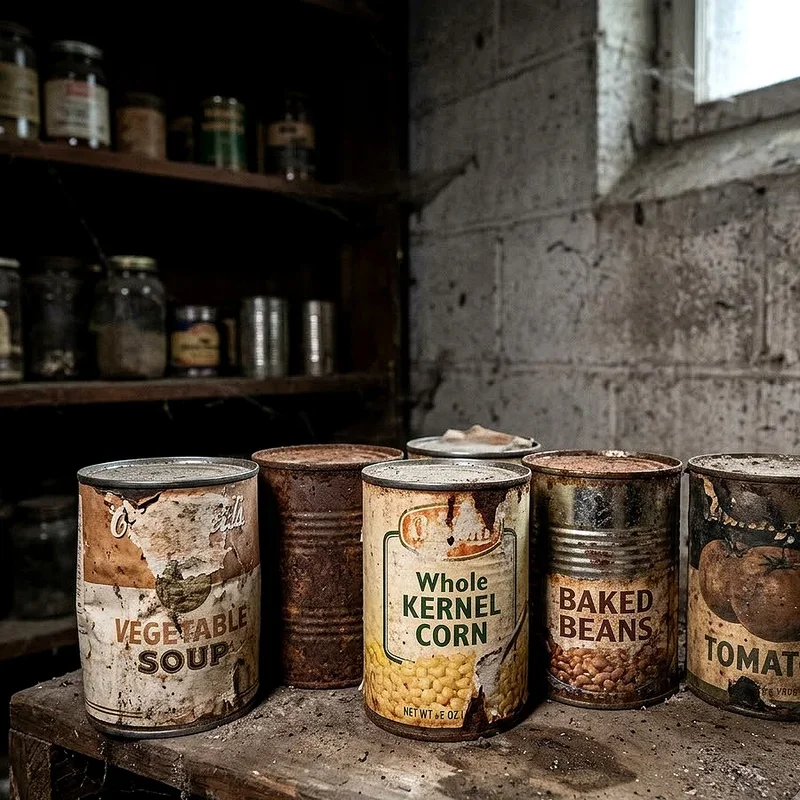
What to Do With Expired Cans of Food Safely When They Are Still Good
So you have inspected your cans and some of them seem perfectly fine. Great news. Here are some practical things you can do with them instead of letting them go to waste.
You can still eat them. If the can is undamaged and the food inside looks, smells, and seems normal, it is generally safe to consume. Just keep in mind that the taste and nutritional value might have decreased a bit over time. Cooking the food thoroughly adds an extra layer of safety, so consider heating it up rather than eating it cold.
Donate to food banks or community programs. Many food banks will accept canned goods that are slightly past their best-by date, as long as the cans are in good physical condition. It is worth calling ahead to check their specific policy because guidelines vary from one organization to another. Some pantries have a grace period of a few months past the printed date.
Use them in recipes where flavor changes will not matter much. Think hearty stews, casseroles, or soups where you are mixing a bunch of ingredients together. If the canned tomatoes taste a little flat on their own, they will do just fine simmered into a chili with plenty of spices.
Share with neighbors or friends. Sometimes the simplest solution is the best one. If you have got cans you will not use but they are still in decent shape, pass them along to someone who could use them.
When You Should Absolutely Throw Expired Cans Away
Now, let us talk about the times when there is no getting around it. Some expired cans need to go, and trying to salvage them is simply not worth the risk. Here is a quick rundown of the warning signs.
Throw them away if you notice any of the following.
The can is bulging, swollen, or misshapen. This is the number one danger sign and it could indicate botulism.
There are deep dents along the seams or rim. These can break the seal and let bacteria in.
The can is leaking or has visible holes from rust. Once the seal is broken, the food is no longer protected.
The food inside smells foul, looks discolored, or has a strange texture. Your senses are your best friends here.
The food spurts or fizzes when you open the can. Gas buildup means bacterial activity, and that is a hard no.
When in doubt, throw it out. That old saying exists for a reason. The cost of a single can of food is nothing compared to the cost of a trip to the emergency room. Botulism is rare, but it is serious and potentially life threatening. It is just not worth gambling with your health or your family's well-being over a can of corn.
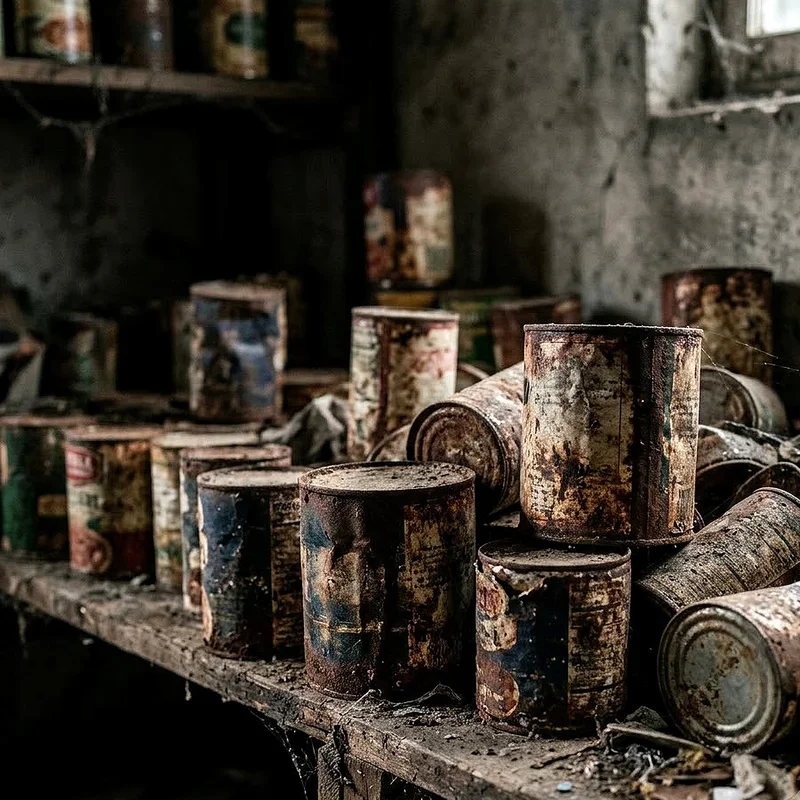
Creative Ways to Repurpose Expired Canned Food
Here is where things get fun. Even if you have decided not to eat the food, expired cans do not have to go straight to the landfill. There are actually some pretty creative ways to put them to use.
Composting is a fantastic option for expired canned food that is no longer safe to eat but is not contaminated with dangerous bacteria. Vegetables, fruits, beans, and grains from cans can go right into your compost bin. Just make sure to rinse out the cans and recycle the metal separately. The organic matter will break down and enrich your garden soil over time.
Feed your garden directly. Some expired canned goods, like canned tomatoes or vegetable broth, can be diluted with water and poured around plants as a nutrient boost. Tomatoes in particular add acidity to the soil, which certain plants love.
Use expired canned goods for pet food in a pinch. Plain canned vegetables or certain meats, as long as they pass the inspection test and do not contain added salt, onions, garlic, or other ingredients toxic to animals, can sometimes be mixed into pet meals. However, always check with your vet first because not everything safe for humans is safe for pets.
Get crafty with the cans themselves. Once you have emptied and cleaned them, tin cans make excellent planters, pencil holders, candle holders, or even little organizers for your desk or workshop. A coat of paint and some creativity can turn trash into something genuinely charming.
Proper Disposal Methods for Unsafe Expired Cans
When you have determined that a can is truly unsafe, you cannot just toss it in the recycling bin and call it a day. There is a right way to handle disposal, and it matters for both safety and environmental reasons.
For cans with suspected botulism contamination, the recommended approach is to place the entire unopened can in a sealable plastic bag. Do not open it. Double bag it if you want to be extra cautious. Then place it in your household trash, not the recycling. The reason is that recycling centers process materials by hand in many areas, and a contaminated can could pose a health risk to workers.
If you have already opened a suspect can, pour the contents into a sealable bag, add a bit of baking soda or dish soap to discourage animals from getting into it, seal it tightly, and throw it in the trash. Wash your hands thoroughly afterward, and clean any surfaces the food may have touched with a bleach solution.
For cans that are simply old but not dangerous, empty the contents into the trash or compost, rinse the can, and toss it in your recycling bin. Most municipalities accept tin and aluminum cans in curbside recycling programs. You are doing the planet a favor and keeping useful metal out of the landfill at the same time.

Tips for Preventing Canned Food From Expiring in the First Place
Of course, the best strategy is to avoid ending up with a pantry full of expired cans in the first place. A little organization goes a long way, and it does not have to be complicated.
Practice the first in, first out method. When you bring new cans home from the store, put them behind the older ones on the shelf. That way, you naturally reach for the oldest cans first. It is such a simple trick, but it works like a charm.
Do a pantry audit every few months. Pick a day, maybe the first Saturday of every season, and go through your shelves. Check dates, reorganize, and pull out anything that is getting close to expiring so you can use it up in the next week or two.
Buy what you actually eat. It sounds obvious, right? But how many of us have grabbed a can of something on sale just because it was cheap, only to let it sit untouched for years? Be honest with yourself about what your household will actually consume.
Keep a simple inventory list on your phone or stuck to the fridge. Jot down what you have got and when it expires. There are even free apps designed for exactly this purpose. A few minutes of tracking can save you from throwing money and food away down the road.
Store cans properly. Keep them in a cool, dry place away from direct sunlight and extreme temperatures. Heat and moisture can accelerate deterioration, even in sealed cans. A well organized pantry shelf or a dedicated cabinet works perfectly.
Understanding the Risks of Eating Expired Canned Food
Let us not sugarcoat it. While many expired canned foods are perfectly fine to eat, there are genuine risks involved when things go wrong. Knowing what to do with expired cans of food safely also means understanding the dangers so you can make informed decisions.
Botulism is the biggest concern. It is caused by toxins produced by Clostridium botulinum bacteria, which can thrive in the low oxygen environment inside a sealed can. Symptoms include difficulty swallowing, blurred vision, muscle weakness, and in severe cases, paralysis. It is extremely rare, but when it happens, it is a medical emergency.
Other foodborne illnesses are possible too. Salmonella, E. coli, and various molds can develop in canned food if the seal has been compromised. Symptoms range from mild stomach upset to severe food poisoning that requires hospitalization.
The good news is that these risks are almost entirely avoidable if you follow the inspection steps we talked about earlier. A can that is intact, properly sealed, and stored in reasonable conditions is unlikely to harbor dangerous pathogens, even past its best-by date. But if anything looks, smells, or feels off, trust your gut, literally, and do not eat it.
Conclusion
Figuring out what to do with expired cans of food safely does not have to be stressful or complicated. By understanding what expiration dates really mean, inspecting cans carefully, and knowing your options for repurposing or disposal, you can reduce food waste while keeping your household safe. Whether you choose to eat them, donate them, compost them, or toss them, the key is making an informed decision rather than acting on panic or guesswork alone.
Frequently Asked Questions
Q1. Can you eat canned food past its expiration date?
A: Yes, if the can is undamaged and the food looks and smells completely normal.
Q2. How long do canned goods last after the expiration date?
A: Most canned foods stay safe for one to five years past the printed date.
Q3. What are signs that an expired can is unsafe?
A: Watch for bulging, leaking, deep dents, foul odors, or fizzing when opened up.
Q4. Can you donate expired canned food to food banks?
A: Many food banks accept cans slightly past best-by dates if undamaged and intact.
Q5. Is it safe to compost expired canned food at home?
A: Yes, most expired vegetables, fruits, and grains can safely go into compost bins.
Stay up to date with our latest ideas!