What Country Has the Best Food in the World
Discover what country has the best food through flavors, traditions, and culinary adventures that'll make your taste buds dance with joy!
Boy oh boy, asking what country has the best food in the world is like asking a parent to pick their favorite child! It's a question that'll spark debates at dinner tables, start friendly arguments between foodies, and honestly, there ain't no single right answer. Every corner of our planet brings something special to the table, quite literally speaking. From the aromatic spice markets of Asia to the rustic trattorias of Europe, each nation's got its own culinary story to tell. So buckle up, 'cause we're about to embark on a mouthwatering journey across continents, exploring flavors that'll make your stomach growl and your heart sing.
The Heavy Hitters: Countries That Dominate the Culinary Scene
Italy: Where Every Meal's a Love Letter
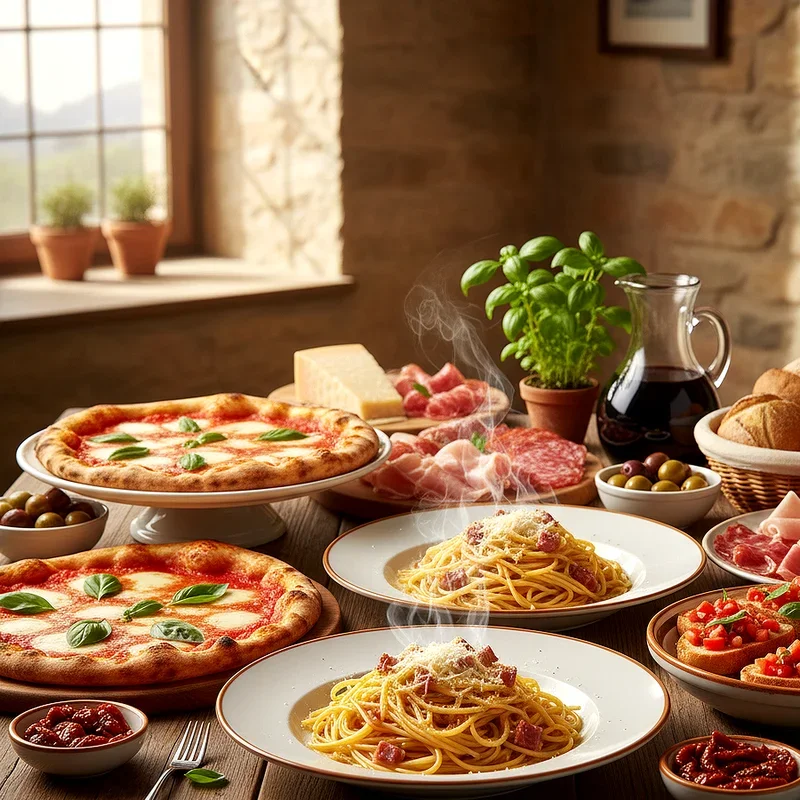
Walking through Italy, you can't help but notice how food isn't just sustenance; it's poetry in motion. The Italians, bless their hearts, they've turned simple ingredients into masterpieces. Pizza from Naples, pasta from Bologna, gelato from Florence, each region's got its specialty that locals'll defend with their lives. What makes Italian cuisine so darn special is its simplicity paired with quality. They don't need fancy techniques when they've got sun-ripened tomatoes, fresh mozzarella, and olive oil that tastes like liquid gold.
The thing about Italian food is, it travels well but never quite tastes the same outside Italy. Maybe it's the water, maybe it's the air, or maybe it's just that Italian magic touch. Their dedication to preserving traditional recipes while allowing room for creativity has made Italian cuisine a global phenomenon.
Japan: Precision Meets Passion
Now, if we're talking about food as an art form, Japan takes the cake, or should I say, takes the sushi roll. Japanese cuisine's all about balance, seasonality, and respect for ingredients. They've got this concept called "umami" that changed how the whole world thinks about taste. From street-side ramen shops to three-Michelin-star kaiseki restaurants, every level of Japanese dining shows incredible attention to detail.
What's fascinating about Japanese food culture is how they've mastered both simplicity and complexity. A bowl of rice can be perfect on its own, while a piece of sushi represents years of training and dedication. They've even turned convenience store food into something worth writing home about!
France: The Godfather of Gastronomy
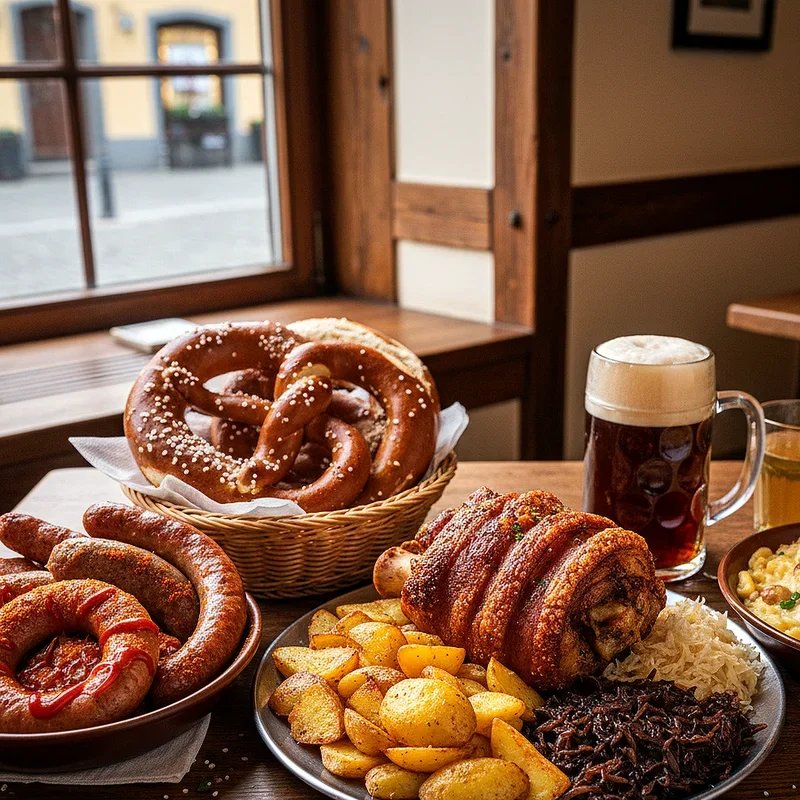
Ah, France! The country that basically wrote the cookbook on fine dining. French cuisine's influence on global gastronomy is like Shakespeare's influence on literature; you just can't escape it. From buttery croissants at dawn to wine-paired dinners that last for hours, the French approach food with a seriousness that borders on religious devotion.
French cooking techniques form the foundation of culinary schools worldwide. They gave us the brigade system in kitchens, standardized sauces, and taught the world that cooking's both a science and an art. Sure, some folks find French cuisine a bit stuffy, but there's no denying its impact on how we eat today.
The Underrated Champions
Mexico: More Than Just Tacos
Hold up, before you think Mexican food's all about hard-shell tacos and nachos, let me tell you something. Real Mexican cuisine's got depth that'll blow your mind. UNESCO even recognized it as an Intangible Cultural Heritage of Humanity! From complex moles with thirty-plus ingredients to fresh ceviches on the coast, Mexican food's diversity reflects its rich history and varied geography.
Regional variations in Mexico are insane. Oaxacan cuisine's different from Yucatecan, which is worlds apart from what you'll find in Jalisco. Street food culture in Mexico's unmatched too; where else can you get life-changing tacos from a cart at 2 AM?
Thailand: The Perfect Balance
Thai cuisine's like that friend who's good at everything but doesn't brag about it. They've mastered the balance of sweet, sour, salty, and spicy in ways that make your taste buds do a happy dance. Thai street food culture's legendary, and rightfully so. From pad thai cooked in a wok that's seen more action than a Hollywood stunt double to green curry that'll make you sweat bullets of joy, Thai food delivers on all fronts.
What makes Thai cuisine special is its accessibility. Whether you're eating at a fancy Bangkok restaurant or a humble street stall, the quality's consistently amazing. They've also got this thing about making food look as good as it tastes, turning every plate into a work of art.
India: A Spice Odyssey
Speaking of diversity, India's like twenty countries' worth of cuisines packed into one. North Indian food's completely different from South Indian, and don't even get me started on the regional variations within those regions! The use of spices in Indian cooking's not just about heat; it's about creating symphonies of flavor that've been perfected over thousands of years.
Indian vegetarian cuisine deserves special mention. They've turned plant-based eating into an art form long before it became trendy. From crispy dosas to rich dal makhani, Indian vegetarian dishes prove you don't need meat to create deeply satisfying meals.
What Country Has the Best Food in the World: The Dark Horses
Peru: The Rising Star
Peru's having a moment, and honestly, it's about time! Peruvian cuisine combines indigenous ingredients with influences from Spain, China, Japan, and Africa, creating something totally unique. Lima's become a culinary destination that rivals any major food capital. With ingredients like quinoa, potatoes (they've got over 3,000 varieties!), and fresh seafood from the Pacific, Peruvian chefs are creating magic.
Ceviche might be Peru's most famous export, but there's so much more to explore. From hearty mountain dishes to Amazon-inspired cuisine, Peru's geographical diversity translates directly to its plate.
Lebanon: Mediterranean Magic
Lebanese cuisine flies under the radar, but man, it shouldn't! It's the perfect example of how Middle Eastern food can be both healthy and indulgent. Mezze culture in Lebanon's something special; it's not just about the food but the whole experience of sharing small plates with friends and family.
The use of fresh herbs, quality olive oil, and techniques passed down through generations makes Lebanese food a strong contender in any best cuisine conversation. Plus, they've managed to make vegetables the star of the show without anyone complaining about missing meat.
The Cultural Context: More Than Just Taste
Food as Identity
Here's the thing about determining what country has the best food in the world: it ain't just about flavor. Food represents history, culture, and identity. Italian grandmothers guarding secret sauce recipes, Japanese sushi masters spending decades perfecting their craft, Indian families grinding spices by hand; these traditions matter as much as the taste.
The Social Aspect
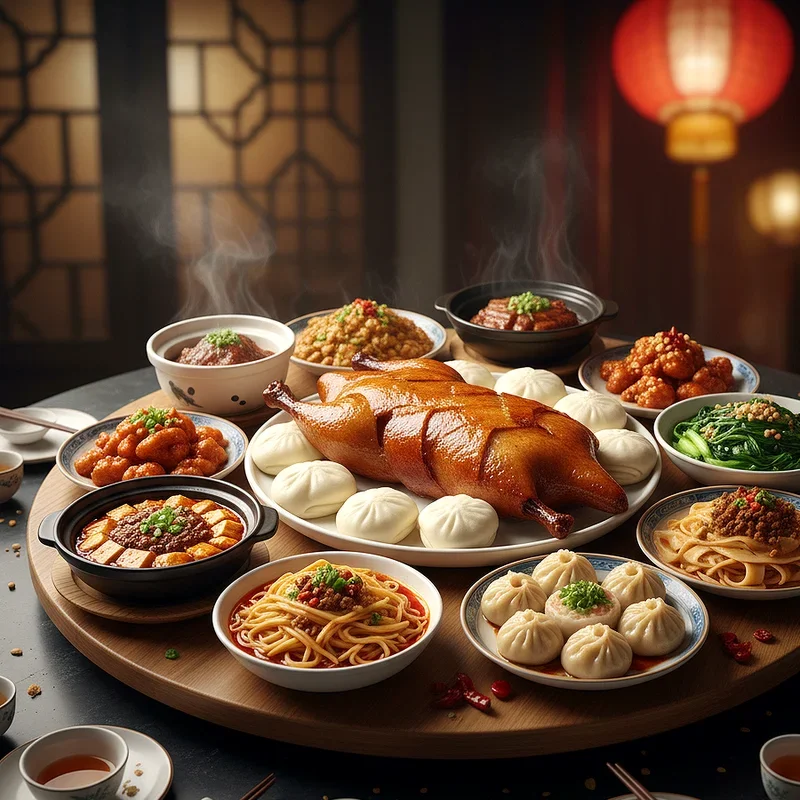
Some cuisines shine because of how they bring people together. Spanish tapas culture, Chinese dim sum traditions, Ethiopian communal eating from a shared plate; these experiences add dimensions to food that go beyond what's on your tongue. The best food countries understand that eating's a social act, not just a biological necessity.
Innovation vs. Tradition
The most exciting food countries balance respect for tradition with openness to innovation. Korea's doing this brilliantly, maintaining traditional techniques while embracing modern trends. Same goes for countries like Denmark and Peru, where chefs are reimagining local ingredients in revolutionary ways.
The Practical Considerations
Accessibility and Ingredients
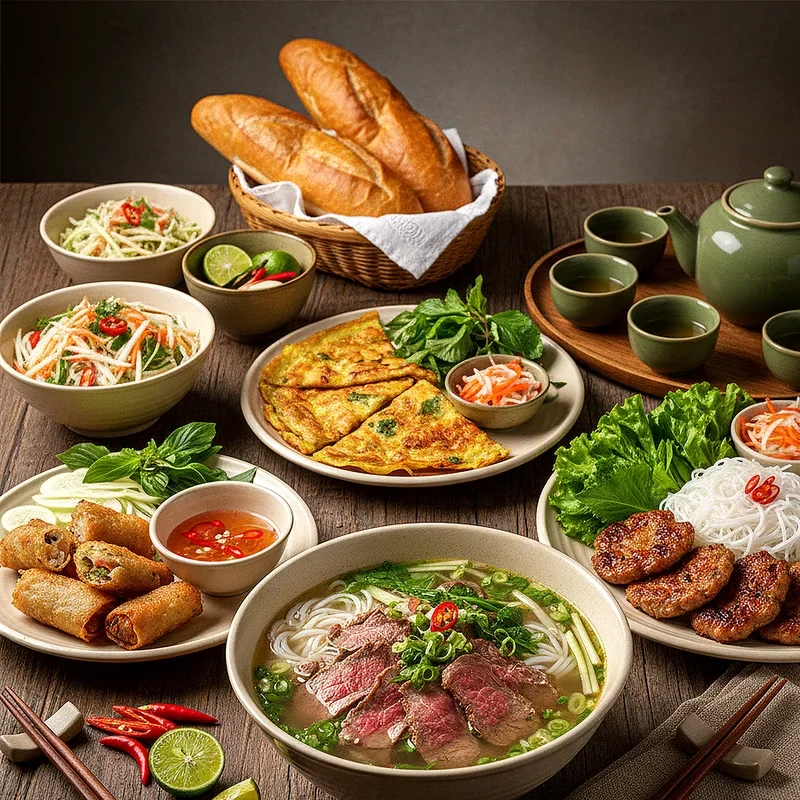
When considering the best food countries, we've gotta think about accessibility. Can regular folks enjoy the cuisine, or is it limited to fancy restaurants? Countries with strong street food cultures often win points here. Thailand, Mexico, and Vietnam excel at making incredible food available to everyone.
Health and Sustainability
Modern discussions about the best cuisines increasingly consider health and environmental impact. Mediterranean countries like Greece and Italy score high here, with diets proven to promote longevity. Japan's emphasis on seasonal, local ingredients also sets a great example.
Regional Rivalries and Food Wars
The Great Debates
Certain food debates'll never be settled. Who makes better pizza, New York or Naples? Is Tex-Mex legitimate Mexican food? These arguments, while sometimes heated, show how passionate people get about their food. Every country's got internal rivalries too. Northern vs. Southern Italian cuisine, Sichuan vs. Cantonese in China, the list goes on.
Fusion and Evolution
Globalization's created interesting fusion cuisines that complicate the question of national food identity. Korean-Mexican fusion in Los Angeles, Japanese-Italian in São Paulo, Indian-Chinese in Kolkata; these hybrids show how food cultures continue evolving.
Making Your Own Decision
Personal Taste Matters
At the end of the day, the best food country for you depends on your personal preferences. Love spice? India, Thailand, and Mexico might top your list. Prefer subtle flavors? Japan and France could be your jam. There's no objective answer, and that's what makes food so wonderfully democratic.
Travel and Experience
The best way to decide? Travel and taste! Nothing beats experiencing food in its native context. That paella tastes different on a Valencia beach than in your hometown. Context, atmosphere, and authenticity all play roles in how we perceive food.
Conclusion
So, what country has the best food in the world? Truth is, declaring one winner would be doing a disservice to the incredible diversity of global cuisine. Each country brings something unique and valuable to the global table. Whether it's Italy's rustic simplicity, Japan's meticulous precision, or Mexico's bold flavors, the world's best food countries remind us that eating well is one of life's greatest pleasures. The real winner? Anyone lucky enough to explore these amazing culinary traditions!
Read next: 15 Tuesday Dinner Ideas Your Family Will Love
Frequently Asked Questions
Q1: Which country has the most diverse food options globally?
A: India leads with countless regional cuisines and dietary varieties.
Q2: What country is considered the birthplace of modern gastronomy?
A: France established most classic culinary techniques and restaurant concepts.
Q3: Which Asian country has the most UNESCO-recognized cuisine?
A: Japan's washoku and Mexico's cuisine both have UNESCO recognition.
Q4: What country offers the best street food experience worldwide?
A: Thailand consistently ranks highest for incredible, affordable street food.
Q5: Which Mediterranean country has the healthiest traditional diet overall?
A: Greece's traditional diet promotes longevity through fresh, simple ingredients.
Stay up to date with our latest ideas!