What Is Peruvian Food? Key Ingredients and Traditions
Discover what makes Peruvian food unique through its key ingredients, ancient traditions, and fusion flavors that have captivated food lovers.
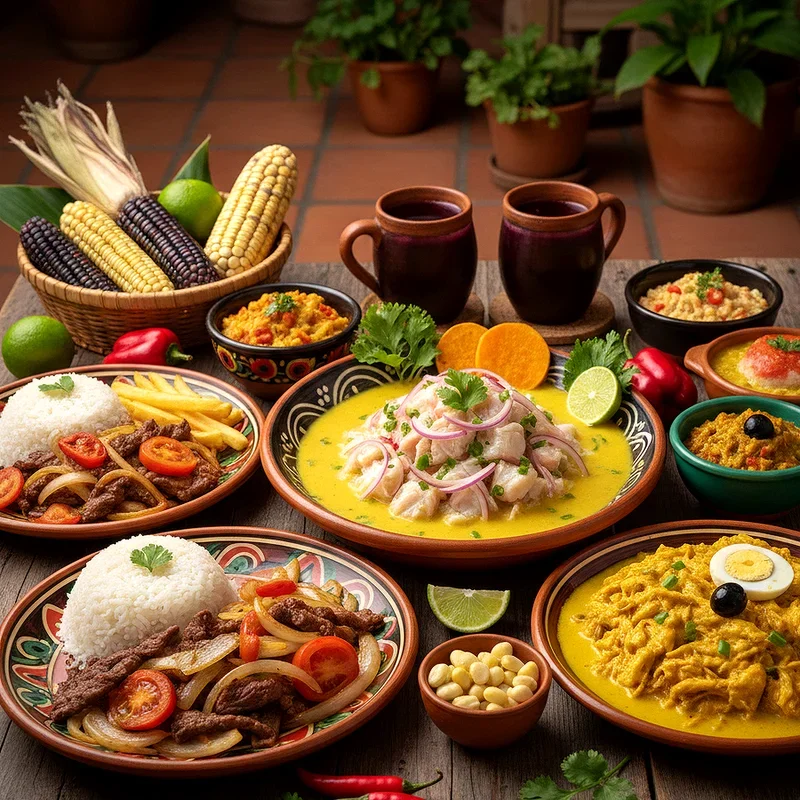
You know what? Peruvian food has taken the culinary world by storm, and honestly, it's about time people started paying attention. This South American gem has been quietly perfecting its craft for thousands of years, blending indigenous traditions with Spanish, African, Chinese, and Japanese influences. When you dig into Peruvian cuisine, you're not just eating a meal. You're experiencing a living history book written in flavors, textures, and aromas that'll knock your socks off. From the misty peaks of the Andes to the sun-drenched Pacific coast, Peru's diverse geography has blessed this nation with an incredible pantry of ingredients. And boy, have Peruvian cooks learned how to use them! Whether it's the tangy bite of ceviche or the comforting warmth of a steaming bowl of soup, Peruvian dishes tell stories of ancient civilizations, colonial encounters, and immigrant communities who've all left their mark on this extraordinary food culture.
The Heart of Peruvian Cuisine
Understanding What Is Peruvian Food? Key Ingredients and Traditions starts with recognizing that this cuisine isn't just about recipes. It's about a philosophy that honors the land, respects ancestral wisdom, and embraces innovation. Peruvian cooks have this amazing ability to take simple, honest ingredients and transform them into something spectacular. The magic happens when centuries-old techniques meet fresh, locally sourced produce that's been cultivated in some of the world's most challenging and varied environments. What really sets Peruvian food apart is its incredible biodiversity. We're talking about a country that grows over 4,000 varieties of potatoes, hundreds of types of corn, and maintains agricultural traditions that date back to pre-Columbian times.
Key Ingredients That Define Peruvian Cooking
When folks ask about the building blocks of Peruvian cuisine, they're often surprised by how many unique ingredients come into play. Let's break down the stars of the show that make this food so darn special.
Aji Peppers
These colorful chili peppers are basically the soul of Peruvian cooking. You'll find varieties like aji amarillo, which brings a fruity heat that's absolutely addictive, and aji panca, which offers a smoky, mild complexity. Peruvian cooks use these peppers in everything from marinades to sauces, and they're the secret weapon that gives dishes their characteristic kick without overwhelming your palate.
Potatoes and Native Tubers
Here's where things get really interesting. Peru is the birthplace of the potato, and the variety you'll find there makes your average supermarket spud look pretty boring. From purple potatoes to tiny yellow papas, each variety has its own texture and flavor profile. And that's not even mentioning other tubers like oca, olluco, and mashua that add incredible diversity to traditional dishes.
Corn in All Its Glory
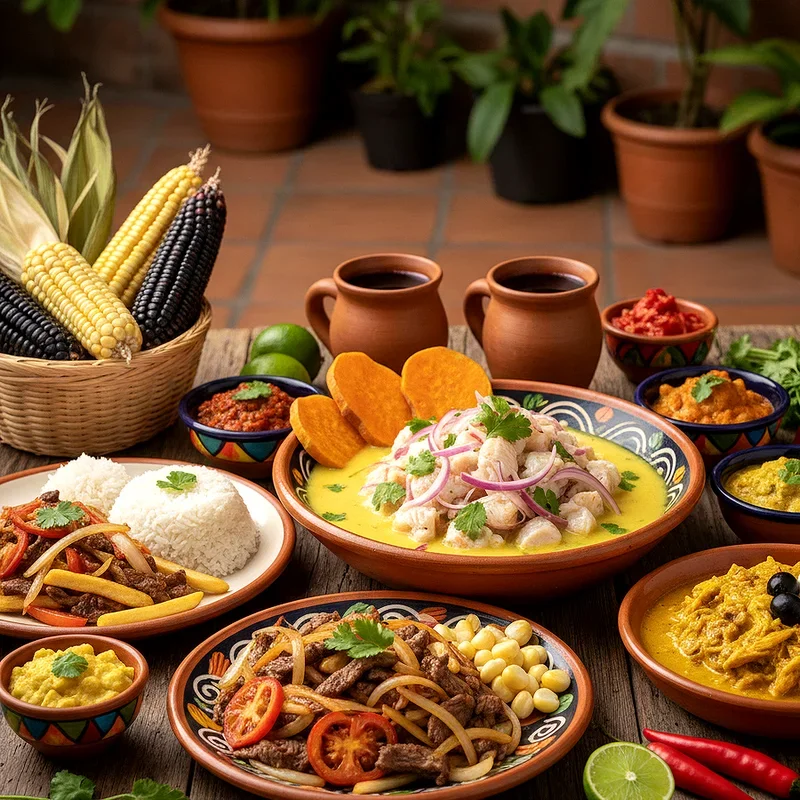
Peruvian corn, or choclo, is nothing like the sweet corn you might be used to. These massive kernels have a starchy, almost nutty flavor that works beautifully in stews, salads, and even beverages. The giant kernels of Cusco corn are particularly prized and can be as big as a quarter.
Fresh Seafood
With over 1,500 miles of Pacific coastline, Peru's seafood game is absolutely next level. The cold Humboldt Current brings nutrient-rich waters that support an incredible variety of fish and shellfish. From corvina to octopus, the ocean's bounty plays a starring role in coastal Peruvian cuisine.
Quinoa and Ancient Grains
Long before quinoa became a health food darling in Western countries, Peruvians were cultivating this protein-packed grain in the Andean highlands. It's been a staple food for thousands of years, along with other ancient grains like kiwicha and canihua.
Traditional Peruvian Dishes You Need to Know
Getting familiar with What Is Peruvian Food? Key Ingredients and Traditions means tasting your way through some iconic dishes that represent different regions and influences.
Ceviche
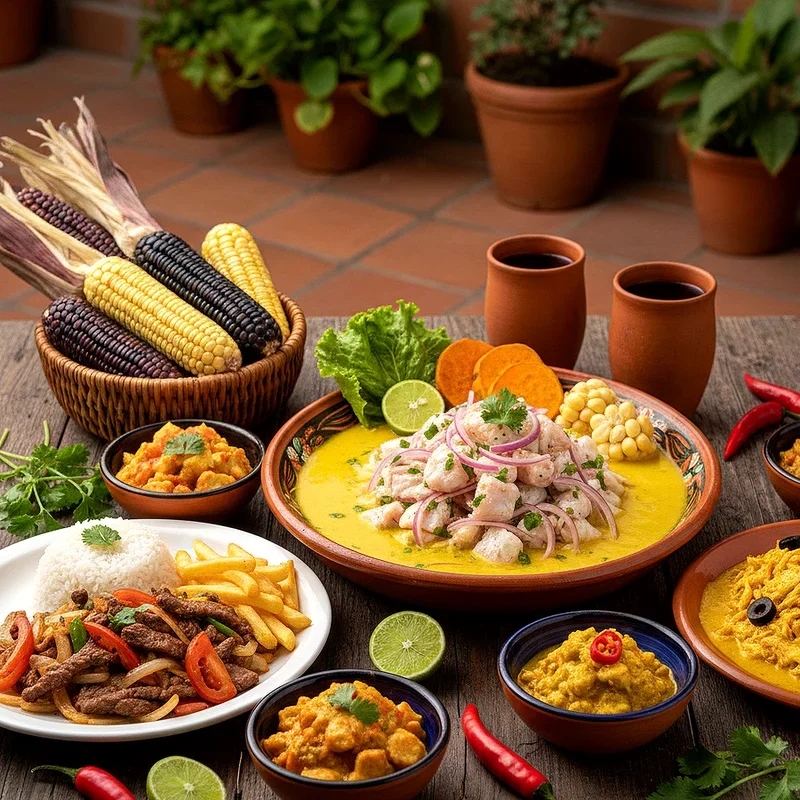
This is Peru's national dish, and for good reason. Fresh fish gets "cooked" in citrus juice, typically lime, and mixed with onions, cilantro, and aji peppers. The result? A refreshing, tangy explosion of flavors that perfectly captures Peru's coastal spirit. Every Peruvian cook has their own ceviche recipe, and the debate about the perfect preparation can get pretty heated.
Lomo Saltado
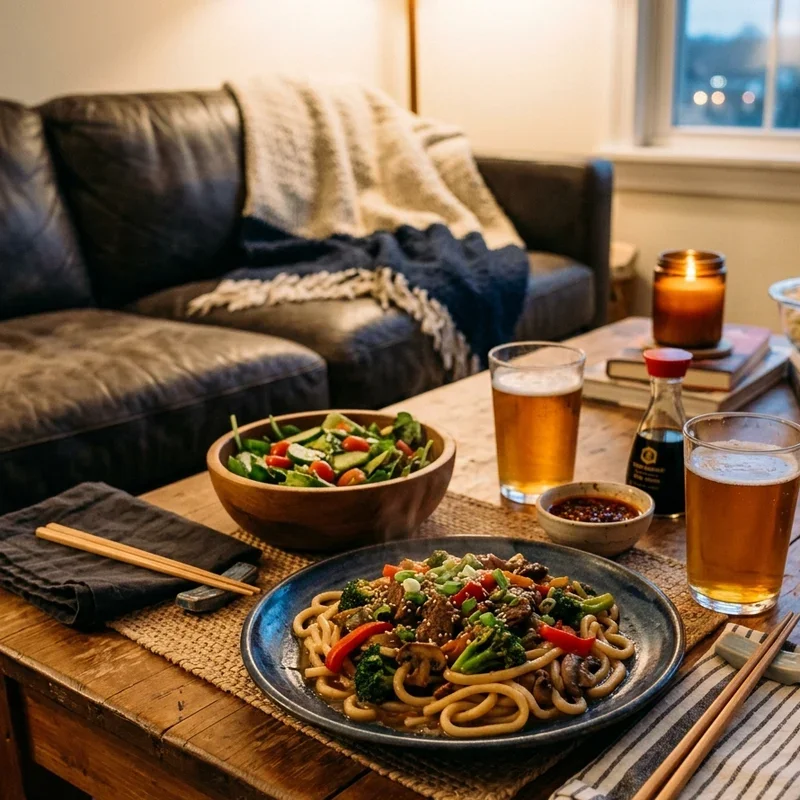
Here's where you see the Chinese influence on Peruvian cooking, a fusion style called Chifa. This stir-fried beef dish combines tender meat strips with onions, tomatoes, and aji peppers, served over french fries and rice. The high-heat wok cooking technique creates this incredible smoky flavor that makes the dish irresistible.
Aji de Gallina
This creamy, comforting chicken dish features shredded poultry in a rich sauce made from aji amarillo peppers, bread, milk, and cheese. It's typically served over boiled potatoes with rice on the side. The texture is silky smooth, and the flavor is complex without being overwhelming.
Anticuchos
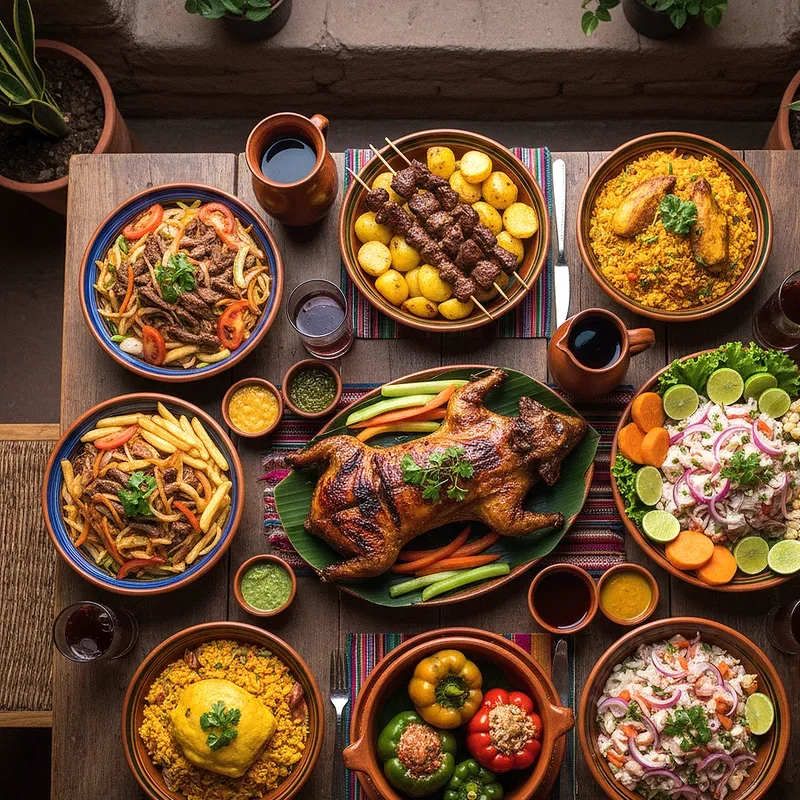
These grilled meat skewers, traditionally made from beef heart, are a street food favorite that originated with African slaves during colonial times. Marinated in vinegar, cumin, and aji panca, then grilled to perfection, anticuchos are smoky, tender, and packed with flavor.
Causa Limeña
This layered potato dish showcases Peru's love affair with the humble spud. Mashed yellow potatoes seasoned with lime and aji amarillo form layers with fillings like tuna, chicken, or avocado. It's served cold as an appetizer and looks as beautiful as it tastes.
Regional Variations in Peruvian Cuisine
Peru's dramatic geography creates distinct culinary regions, each with its own specialties and flavor profiles that'll blow your mind.
Coastal Cuisine
The coast is all about seafood, obviously. Beyond ceviche, you'll find dishes like tiradito, which is similar to ceviche but with Japanese-influenced knife cuts and presentation. The coastal region also produces amazing rice dishes and uses lots of fresh herbs and citrus in their cooking style.
Andean Highlands
Up in the mountains, hearty stews and soups rule the day. Pachamanca, a traditional feast cooked in an earth oven, represents the ultimate expression of Andean cooking traditions. Meats, potatoes, and vegetables get layered with hot stones and aromatic herbs, creating an unforgettable communal dining experience.
Amazon Jungle
The rainforest region brings completely different ingredients to the table. Exotic fruits, river fish like paiche, and dishes wrapped in bijao leaves showcase the incredible biodiversity of the Amazon. Juanes, rice and chicken wrapped in leaves, is a jungle specialty that reflects indigenous cooking methods.
The Cultural Traditions Behind Peruvian Food
Understanding What Is Peruvian Food? Key Ingredients and Traditions requires looking beyond the plate to see how food connects to identity, celebration, and daily life in Peru.
Communal Cooking and Eating
Peruvian food culture emphasizes sharing and togetherness. Whether it's a family preparing pachamanca or neighbors gathering for a cevichada, meals are social events that strengthen community bonds. This communal aspect isn't just about eating together. It's about maintaining connections across generations and preserving culinary knowledge.
Market Culture
Peruvian markets are living classrooms where culinary traditions are passed on daily. Vendors don't just sell ingredients. They share recipes, cooking tips, and stories about where their produce comes from. The relationship between cook and vendor is built on trust and mutual respect.
Celebration Foods
Special occasions call for specific dishes that carry deep cultural meaning. During festivals and holidays, families prepare traditional recipes that haven't changed much in centuries. These foods connect modern Peruvians to their ancestors and reinforce cultural identity.
Foreign Influences on Peruvian Cuisine
Peru's culinary landscape has been shaped by waves of immigration that created unique fusion styles.
Chinese Influence
Chinese immigrants arrived in Peru during the 19th century, bringing wok cooking techniques and ingredients that merged beautifully with local flavors. This created Chifa cuisine, which has become so integrated into Peruvian food culture that most people don't even think of it as foreign anymore.
Japanese Impact
Japanese immigrants introduced precision knife skills, raw fish preparations, and umami-rich ingredients. The result? Nikkei cuisine, a sophisticated fusion that elevated Peruvian cooking to new heights. Restaurants serving Nikkei food are now among the most celebrated in the world.
Spanish Colonial Legacy
Spanish colonizers brought European ingredients like chicken, pork, and wheat, along with cooking techniques that mixed with indigenous methods. This created the foundation for many modern Peruvian dishes that blend Old and New World ingredients seamlessly.
African Contributions
Enslaved Africans brought their own culinary traditions, which particularly influenced coastal cuisine. Their legacy lives on in dishes like anticuchos and tacu tacu, a hearty rice and bean dish that's become a breakfast favorite.
Modern Peruvian Gastronomy
Contemporary Peruvian chefs have taken their traditional cuisine and launched it onto the world stage, earning international acclaim and multiple spots on lists of the world's best restaurants.
The Gastronomic Boom
Over the past two decades, Peru has experienced what locals call the "gastronomic boom." Chefs like Gastón Acurio and Virgilio Martínez have become cultural ambassadors, showcasing Peruvian ingredients and techniques to global audiences. This movement has created economic opportunities and renewed pride in traditional foodways.
Ingredient Revival
Modern chefs are rediscovering and championing forgotten ingredients from Peru's agricultural heritage. Ancient grains, native potatoes, and jungle fruits that were once dismissed as peasant food are now featured in high-end restaurants. This ingredient revival helps preserve biodiversity and supports small farmers.
Essential Peruvian Condiments and Sauces
No exploration of Peruvian food would be complete without mentioning the condiments that tie everything together.
Aji Sauces
These vibrant pepper sauces come in countless variations. Aji verde, made with cilantro and jalapeños, adds brightness to grilled meats. Aji amarillo sauce brings fruity heat to seafood and chicken dishes. Most Peruvian tables will have at least one aji sauce ready to spice things up.
Huancaina Sauce
This creamy, spicy cheese sauce made with aji amarillo is traditionally served over boiled potatoes as papa a la huancaina. But it's so versatile that cooks use it with everything from vegetables to pasta. The bright yellow color is as eye-catching as the flavor is addictive.
Salsa Criolla
This simple onion relish made with lime juice, cilantro, and aji is the perfect accompaniment to grilled meats and fried foods. It adds freshness and acidity that cuts through rich flavors beautifully.
Beverages in Peruvian Food Culture
Drinks play an important role in Peruvian meals and social gatherings.
Chicha Morada
This purple corn beverage, sweetened with fruit and spices, is refreshing and loaded with antioxidants. It's a staple at family meals and street food stands throughout Peru.
Pisco
This grape brandy is Peru's national spirit and the base for the famous Pisco Sour cocktail. The debate between Peru and Chile over who invented pisco gets pretty intense, but Peruvians are fiercely proud of their version.
Learning to Cook Peruvian Food at Home
Want to bring these flavors into your own kitchen? Here's what you need to know to get started.
Building Your Peruvian Pantry
Stock up on aji peppers (dried or in paste form), Peruvian corn, purple potatoes if you can find them, and quinoa. Don't forget cilantro, lime, and cumin, which show up in countless recipes. Many ingredients are now available online if you can't find them locally.
Starting With Simple Recipes
Begin with dishes that don't require specialized equipment or techniques. Causa, simple ceviche, or lomo saltado are great starting points that'll give you confidence before tackling more complex preparations.
Respecting the Techniques
Peruvian cooking might use simple ingredients, but the techniques matter. Pay attention to marinating times, cooking temperatures, and the order ingredients get added. These details make the difference between okay food and something truly special.
Conclusion
Peruvian food represents one of the world's most diverse and exciting culinary traditions, shaped by geography, history, and the creativity of countless cooks across generations. From the Pacific coast to the Amazon jungle, each region contributes unique ingredients and preparations that come together in a cuisine that's both ancient and modern. Whether you're enjoying street food anticuchos or a refined Nikkei dish, you're tasting the result of thousands of years of agricultural innovation and cultural exchange that continues to evolve today.
Read next: What Do Italians Eat for Breakfast Every Morning
Frequently Asked Questions
Q1: What makes Peruvian food different from other Latin American cuisines?
A: Peruvian food features unique indigenous ingredients, diverse geography, and Asian fusion influences rare elsewhere.
Q2: Is Peruvian food very spicy compared to Mexican food?
A: Peruvian food offers flavorful heat from aji peppers but is generally milder than Mexican cuisine.
Q3: What is the most important ingredient in Peruvian cooking?
A: Aji peppers are essential, providing the distinctive fruity heat that defines most Peruvian dishes.
Q4: Can vegetarians find options in traditional Peruvian cuisine?
A: Yes, many potato-based dishes, quinoa preparations, and vegetable options exist in traditional Peruvian cooking.
Q5: Where can I experience authentic Peruvian food outside of Peru?
A: Major cities worldwide now feature Peruvian restaurants, with Lima's cuisine gaining international restaurant recognition.
Stay up to date with our latest ideas!