Are Acai Bowls Good for Breakfast? Pros and Cons You Need to Know Before Your Next Morning Bowl
Are acai bowls good for breakfast? Pros and cons revealed. Learn the real health benefits, hidden sugars, and smart tips here.
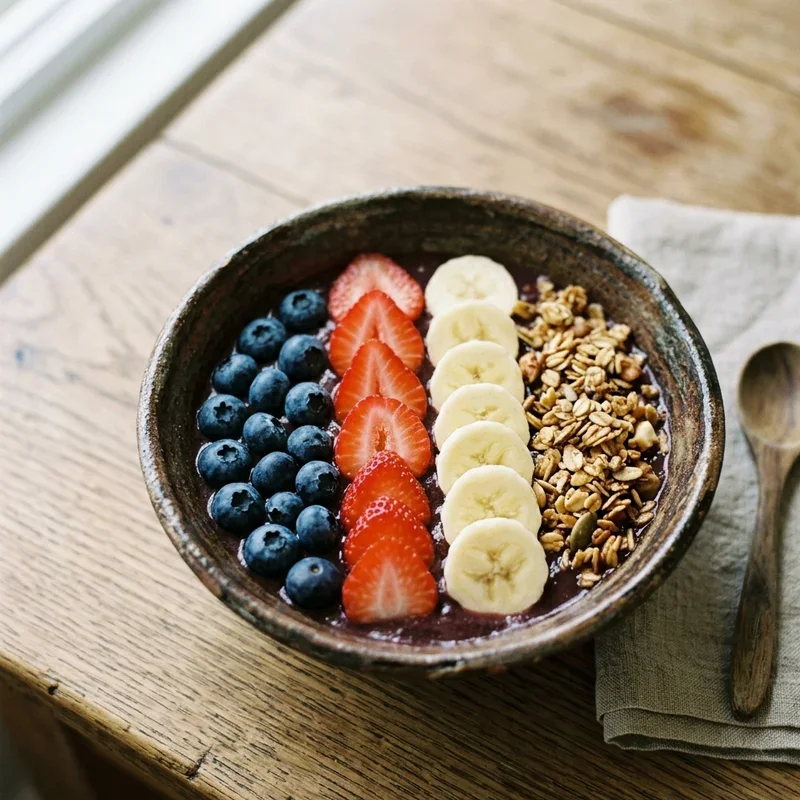
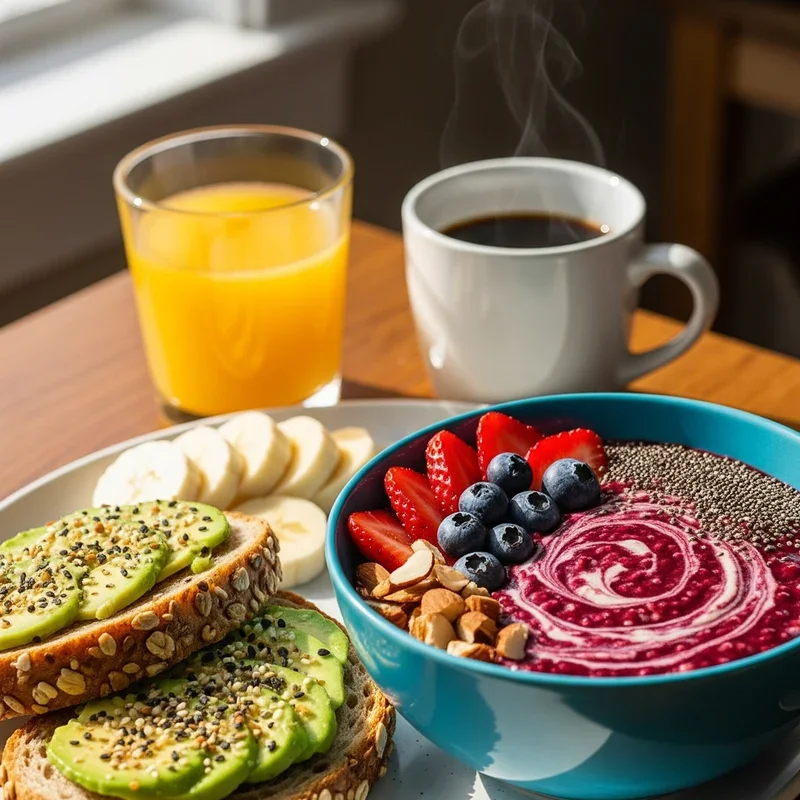
Let's be honest, acai bowls look absolutely stunning. Those vibrant purple swirls topped with fresh fruit, crunchy granola, and a drizzle of honey have taken over social media feeds and brunch menus faster than anyone could've predicted. But beyond all that visual appeal, there's a question worth asking. Are these Instagram-worthy bowls actually a solid way to start your morning, or are they secretly sabotaging your health goals?
If you've ever stood in line at a smoothie shop wondering whether that twelve-dollar bowl is truly worth it, you're in good company. Plenty of health-conscious folks find themselves torn between the hype and the reality of acai bowls. They look healthy, they taste amazing, and every wellness influencer under the sun seems to swear by them. But dig a little deeper and the picture gets more complicated.
That's exactly why we're tackling the topic of are acai bowls good for breakfast, pros and cons included, with no sugarcoating. Well, maybe a little sugarcoating, since that's part of the problem we need to discuss. By the time you finish reading, you'll know exactly what you're putting into your body and how to make smarter choices at the breakfast table.
What Exactly Is an Acai Bowl and Where Did It Come From?
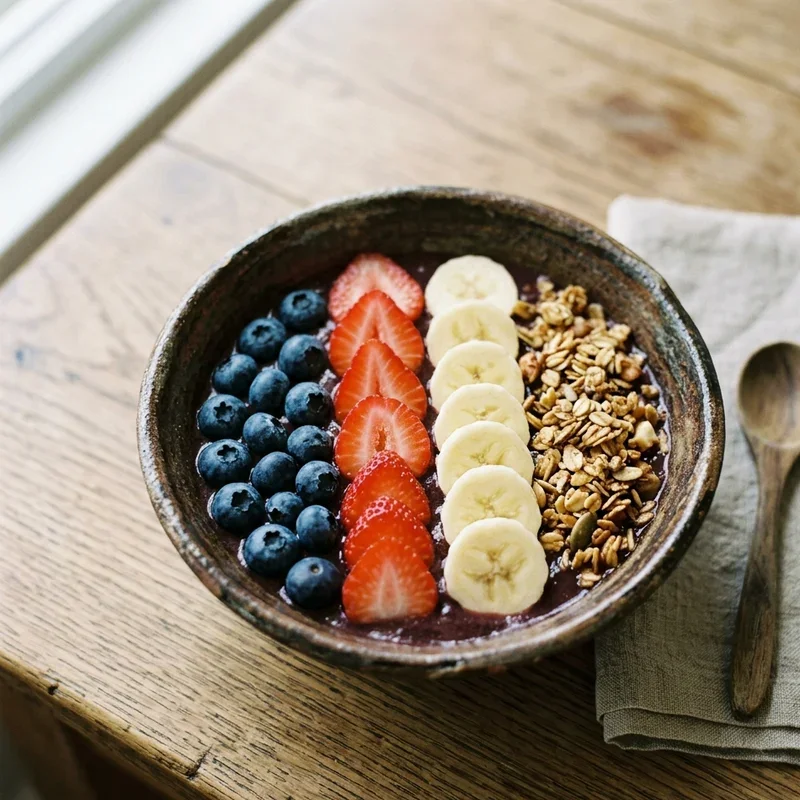
Before we dive into the nitty-gritty of nutrition, let's back up for a second and talk about what an acai bowl actually is. At its core, an acai bowl starts with a thick, blended base made from frozen acai berry puree, often mixed with other fruits like bananas or strawberries and a splash of liquid such as almond milk or juice. The mixture gets poured into a bowl and loaded up with toppings that range from granola and coconut flakes to nut butters and fresh berries.
The acai berry itself hails from the Amazon rainforest in Brazil, where locals have been eating it for centuries. Down there, it's considered a staple food, not some trendy superfood. Brazilian surfers and athletes popularized acai bowls in coastal cities during the 1970s and 1980s, blending the frozen pulp into thick smoothie bowls for quick energy before hitting the waves.
Fast forward to the 2000s, and acai made its grand entrance into North American health food culture. Suddenly, every juice bar and wellness cafe had their own version on the menu, each one more elaborate and photogenic than the last. The berry earned its reputation as a superfood thanks to its impressive antioxidant content, and from that point on, there was no turning back.
The Nutritional Profile of Acai Berries Alone
Now here's where things get interesting. When you look at pure acai berries on their own, the nutritional profile is genuinely impressive. These small, dark purple fruits pack a serious punch when it comes to health-promoting compounds.
Acai berries contain high levels of anthocyanins, which are the same powerful antioxidants found in blueberries and red wine. These compounds help fight oxidative stress in the body, which is linked to everything from premature aging to chronic disease. Ounce for ounce, acai berries actually contain more antioxidants than most other commonly consumed berries.
The berries also deliver a decent amount of healthy fats, particularly oleic acid, which is the same heart-friendly monounsaturated fat you find in olive oil. On top of that, acai provides a reasonable dose of fiber, some plant-based protein, and various essential minerals including potassium, calcium, and magnesium.
Sounds like a dream come true for breakfast, right? Well, hold your horses. The acai berry by itself is just one piece of the puzzle. What happens between that raw berry and the finished bowl sitting in front of you at the cafe changes the nutritional equation dramatically.
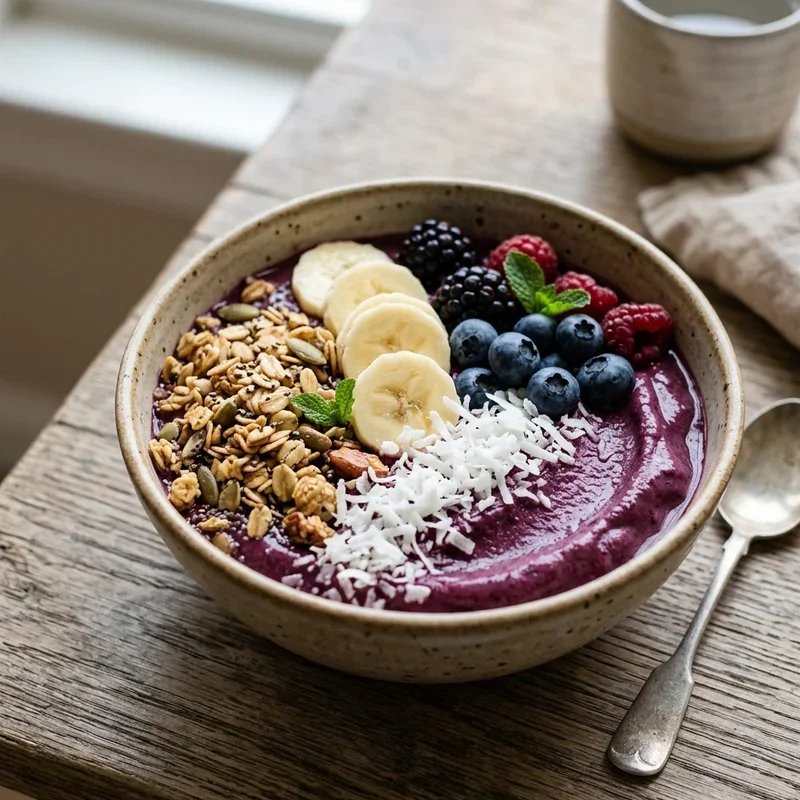
Are Acai Bowls Good for Breakfast? Pros and Cons Starting With the Good Stuff
Let's kick things off on a positive note and run through the genuine advantages of choosing an acai bowl for your morning meal.
Loaded With Antioxidants That Fight Free Radicals
Starting your day with a big dose of antioxidants is never a bad idea. The acai base brings those anthocyanins we mentioned earlier, and when you pile on toppings like blueberries, strawberries, and dark chocolate nibs, you're creating an antioxidant powerhouse. Free radicals don't stand a chance against a well-constructed acai bowl, and over time, this kind of dietary pattern supports cellular health throughout your entire body.
A Convenient Way to Pack in Fruits and Nutrients
Getting enough fruit into your daily diet is something many people struggle with, and an acai bowl makes it almost effortless. Between the blended base and the fresh toppings, you can easily work in two or three servings of fruit before you've even left the house. Toss in some spinach or kale and you've got vegetables covered too, without tasting a single leafy green.
Provides Quick and Sustained Energy
The natural sugars from fruit give you an immediate energy boost, while the fiber and healthy fats in acai help sustain that energy over a longer period. If you're the kind of person who needs fuel for a morning workout or a busy commute, an acai bowl can deliver that one-two punch of quick energy followed by steady sustenance. Add some nut butter or hemp seeds on top and you've got staying power that lasts well into lunchtime.
Supports Digestive Health Through Fiber Content
A properly made acai bowl can deliver a respectable amount of dietary fiber, especially when topped with ingredients like chia seeds, flaxseeds, and fresh fruit with the skin still on. Fiber keeps your digestive system running smoothly, feeds beneficial gut bacteria, and helps you feel fuller for longer. For anyone dealing with sluggish digestion in the morning, this can be a real game changer.
Incredibly Versatile and Customizable
One of the best things about acai bowls is that you can tailor them to fit virtually any dietary preference or nutritional goal. Vegan, gluten-free, high protein, low sugar, you name it. The base is naturally plant-based, and the topping options are practically endless. This flexibility makes acai bowls accessible to a wide range of eaters and dietary philosophies.
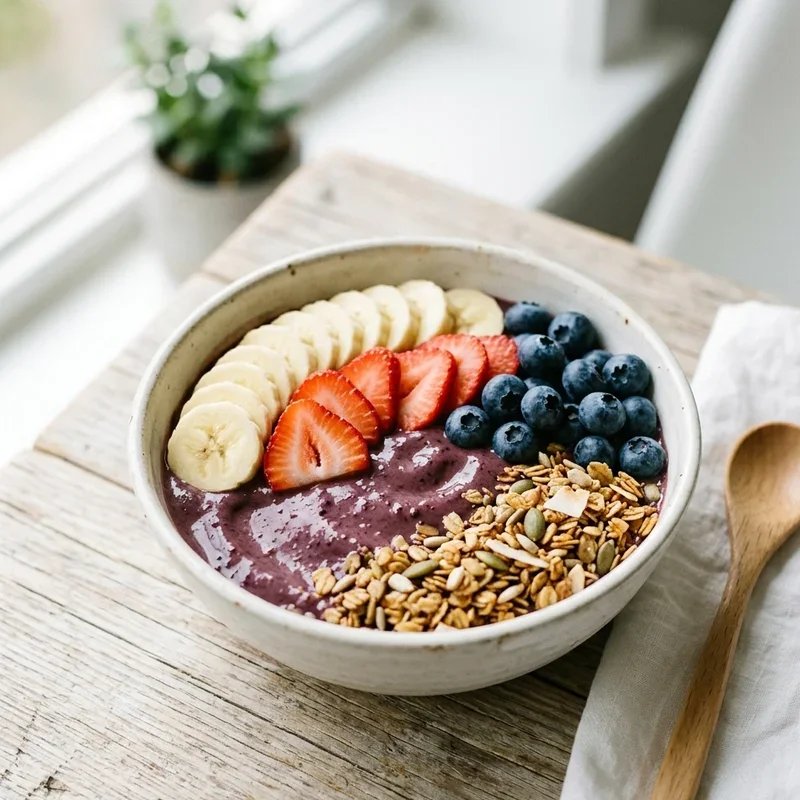
Now Let's Talk About the Cons and Hidden Downsides
Alright, here comes the part that might burst a few bubbles. While acai bowls have plenty going for them, there are some significant drawbacks that deserve your attention.
The Sugar Content Can Be Shockingly High
This is the elephant in the room, and it's a big one. A typical acai bowl from a cafe or juice bar can contain anywhere from 50 to 90 grams of sugar. Let that sink in for a moment. That's more sugar than you'd find in two cans of soda, and it's all sitting there in a bowl that's supposed to be healthy.
Sure, a good chunk of that sugar comes from fruit, which is natural. But your body still processes it as sugar regardless of the source, and consuming that much in one sitting causes a significant blood sugar spike. For people managing diabetes, insulin resistance, or simply trying to watch their sugar intake, this is a serious concern that shouldn't be brushed aside.
The problem gets worse when cafes add fruit juice to the blend instead of water or unsweetened milk, throw in sweetened granola, and top everything off with honey, agave, or chocolate drizzle. Before you know it, your "healthy" breakfast has more sugar than a slice of cake.
Calorie Counts That Rival a Full Meal and Then Some
Depending on how it's built, an acai bowl can clock in at 500 to 800 calories or even more. Now, there's nothing inherently wrong with a calorie-dense breakfast if those calories come from nutrient-rich sources and align with your daily needs. But many people eat an acai bowl thinking it's a light, healthy option and then go on to eat a regular lunch and dinner without adjusting.
For someone aiming to maintain or lose weight, those sneaky extra calories can add up fast over the course of a week. And because the bowl is primarily carbohydrate-based, it might not keep you satisfied as long as a breakfast with more balanced macronutrients, leading to snacking and overeating later in the day.
Portion Distortion Is Real
There's a psychological trick at play with acai bowls that trips people up. Because the food is presented in a bowl format with colorful toppings arranged artfully on the surface, it feels like a moderate, sensible portion. In reality, you're often consuming the equivalent of a large smoothie plus a serving of granola plus multiple fruit servings plus whatever else has been sprinkled on top.
If you blended that same acai bowl into a single tall glass, you'd probably think twice about drinking the whole thing in one go. But spread it out in a wide bowl with pretty toppings, and somehow it seems perfectly reasonable. This portion distortion makes it easy to overconsume without realizing it.
Store-Bought and Cafe Versions Often Include Hidden Additives
Not all acai products are created equal, and this is where reading labels becomes essential. Many commercial acai packets, powders, and premade blends contain added sugars, artificial flavors, and preservatives that strip away some of the berry's natural benefits. Cafes and chain restaurants frequently use sweetened acai mixes to enhance flavor, which only compounds the sugar problem we already discussed.
If you're buying frozen acai packets from the grocery store, flip that package over and check the ingredient list. The best options contain nothing more than pure acai berry puree, with no added sweeteners or fillers. Anything else is cutting corners at the expense of your health.
The Cost Factor Adds Up Quickly
Let's address the practical side of things for a minute. Regularly eating acai bowls for breakfast can put a noticeable dent in your wallet. At most cafes, a single bowl runs anywhere from ten to sixteen dollars, and that price tag climbs higher with premium toppings. Over the course of a month, you could easily spend over two hundred dollars on breakfast alone.
Making acai bowls at home brings the cost down significantly, but even frozen acai packets aren't cheap compared to other breakfast staples. For budget-conscious folks trying to eat healthy without breaking the bank, there are more economical options that deliver comparable nutritional benefits.
Smart Tips for Building a Healthier Acai Bowl
Understanding the full picture of are acai bowls good for breakfast, pros and cons considered, doesn't mean you have to swear them off entirely. With a few strategic tweaks, you can enjoy this delicious breakfast option while sidestepping most of the pitfalls.
Keep the base simple. Blend your acai with frozen cauliflower rice or zucchini instead of extra banana to reduce sugar content while maintaining that thick, creamy texture. Use unsweetened almond milk or plain water as your liquid instead of fruit juice.
Go easy on the granola. A tablespoon or two adds crunch without dumping a bunch of added sugar and calories into your bowl. Better yet, swap granola for raw nuts, hemp hearts, or unsweetened coconut flakes for a similar texture with a better nutritional profile.
Add a protein source. Greek yogurt, protein powder, collagen peptides, or a generous spoonful of almond butter can transform an acai bowl from a carb-heavy snack into a balanced meal that actually keeps you full. Protein slows down the digestion of sugars and helps maintain steady blood glucose levels throughout the morning.
Watch your portions. Instead of filling a massive bowl to the brim, try using a smaller dish and being mindful of how much you're actually consuming. Half the size of a typical cafe bowl is plenty for most people when the ingredients are nutrient-dense and well-chosen.
Skip the sweetened toppings entirely. Honey, agave, chocolate chips, and candied nuts might make your bowl look more appealing, but they're pushing an already sugar-rich meal into territory that's hard to justify from a health standpoint. Fresh berries provide all the sweetness you need.
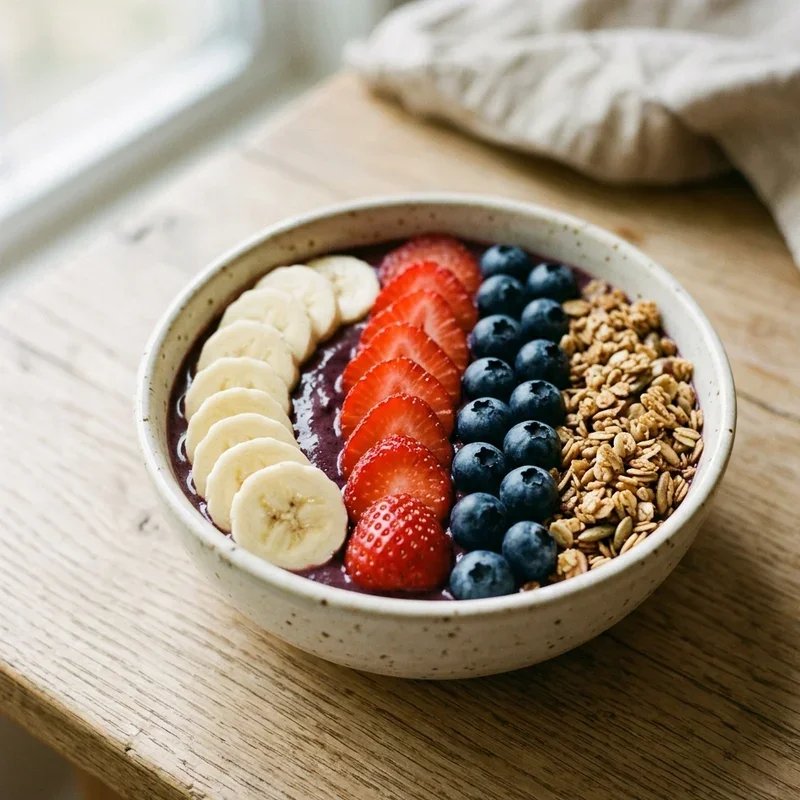
Who Benefits Most From Acai Bowls at Breakfast?
Acai bowls can be a genuinely excellent breakfast choice for certain groups of people. Athletes and highly active individuals who burn through a lot of calories during morning training sessions can benefit from the quick energy and nutrient density that a well-made acai bowl provides. The natural carbohydrates fuel performance, and the antioxidants support recovery.
People who struggle to eat enough fruits and vegetables throughout the day can use acai bowls as a convenient vehicle for boosting their intake first thing in the morning. Blending leafy greens into the base and topping with a variety of colorful fruits makes hitting daily produce goals almost automatic.
Anyone following a plant-based diet will appreciate that acai bowls are naturally vegan and can be fortified with plant proteins and healthy fats to create a complete, satisfying meal without any animal products.
Who Should Think Twice Before Making Acai Bowls a Daily Habit?
On the flip side, acai bowls might not be the smartest daily breakfast choice for everyone. Individuals managing blood sugar conditions like type 2 diabetes or prediabetes should approach acai bowls with caution due to the high carbohydrate and sugar content, even when the sugars come from natural fruit sources.
People actively trying to lose weight might find that the calorie density of acai bowls works against their goals, especially when portion sizes aren't carefully controlled. A breakfast of eggs, vegetables, and whole grain toast could provide similar satiety with fewer calories and more protein.
Those on a tight budget may want to reserve acai bowls for an occasional treat rather than a daily staple, redirecting their food budget toward more cost-effective nutrient-dense options like oatmeal, eggs, and seasonal fruits.
Conclusion
When you weigh the question of are acai bowls good for breakfast, pros and cons both tell an important story. These beautiful bowls offer genuine nutritional benefits through antioxidants, fiber, and healthy fats, but they also come with hidden pitfalls like excessive sugar, inflated calories, and misleading portion sizes. The key lies in how you build your bowl and how often you enjoy one. Made thoughtfully at home with controlled portions and smart toppings, an acai bowl can absolutely earn a place in your breakfast rotation.
Read next: 15 Asian Breakfast Ideas to Start Your Day Right
Frequently Asked Questions
1.Are acai bowls healthier than regular smoothies for breakfast?
A: Acai bowls and smoothies are similar, but bowls often contain more calories from toppings.
2.Can I eat an acai bowl every day without any health problems?
A: Daily consumption is fine if you control sugar, portions, and balance your overall diet.
3.Do acai bowls have enough protein to keep me full all morning?
A: Plain acai bowls lack protein, so add Greek yogurt, nut butter, or protein powder.
4.Are frozen acai packets from grocery stores as nutritious as fresh acai?
A: Yes, frozen acai retains most nutrients and antioxidants when packaged without added sugars.
5.What is the best time of day to eat an acai bowl?
A: Morning or post-workout is ideal because your body utilizes the natural sugars most efficiently.
Stay up to date with our latest ideas!