Can You Blend Hot Food? Safety Tips Explained
Learn can you blend hot food safely with our expert tips. Discover proper techniques, precautions, and best practices for blending hot liquids.
You've just finished simmering that gorgeous tomato soup for an hour, the aroma filling your kitchen with warmth and promise. Now comes the moment you want that silky smooth texture, and your blender sits there on the counter looking perfectly capable. But wait. Is it actually safe to pour all that steaming liquid into your blender and hit the button?
This question has probably crossed every home cook's mind at some point. The internet is full of horror stories about kitchen explosions, scalding burns, and soup-covered ceilings that would make any chef think twice before proceeding.
Here's the truth. Blending hot food isn't inherently dangerous, but doing it wrong can absolutely lead to disaster. The difference between a perfectly pureed soup and a trip to the emergency room often comes down to understanding basic physics and following proper technique.
Understanding can you blend hot food and the safety tips explained in this guide could save you from painful burns, messy cleanups, and potentially serious injuries. Whether you're making velvety soups, smooth sauces, or creamy hot beverages, knowing the right approach makes all the difference.
Let's explore everything you need to know about safely blending hot foods.
The Science Behind the Danger
Understanding why hot liquids behave differently in blenders helps you take appropriate precautions.
Why Hot Liquids Explode
When hot liquid enters a sealed blender container, steam builds up pressure inside the enclosed space. The moment those blades start spinning, they create additional turbulence that releases trapped steam explosively. Think of it like shaking a carbonated beverage, except instead of fizzy soda, you've got scalding liquid ready to blast through any opening it can find. The lid becomes a projectile, hot soup erupts everywhere, and suddenly your kitchen looks like a crime scene. This pressure buildup happens remarkably fast, often catching home cooks completely off guard.
Temperature and Pressure Relationship
As liquid heats up, it creates steam that expands rapidly within confined spaces. Your blender jar is essentially a sealed chamber that traps this expanding gas with nowhere to go. The warmer your liquid, the more steam it generates and the greater pressure builds inside. Regular blender lids aren't designed to contain significant pressure. They're meant to simply prevent splashing during normal operations. When hot liquid adds steam pressure to the equation, those lids become inadequate containment devices that can fail spectacularly without warning.
Can You Blend Hot Food? Safety Tips Explained for Different Scenarios
Different situations call for different approaches when dealing with hot ingredients.
Soups and Liquid-Heavy Foods
Soups present the highest risk because they contain significant liquid volume that generates substantial steam. Never fill your blender more than halfway when working with hot soup. This extra space allows steam to dissipate rather than building dangerous pressure. Remove the center cap from your blender lid if it has one, covering the opening loosely with a folded kitchen towel instead. This allows steam to escape while preventing hot splashes. Start at the lowest speed setting, gradually increasing as you confirm the situation remains controlled throughout the process.
Thick Sauces and Purees
Thicker hot foods like vegetable purees, thick sauces, or baby food generate less steam than thin liquids but still require caution. The density of these foods can actually trap pockets of heat that release suddenly when blades break through them. Work in smaller batches even when dealing with thicker consistencies. Allow slightly more cooling time than you might think necessary. The surface might feel merely warm while the interior remains dangerously hot, creating surprises when blending disturbs those hidden hot spots beneath the surface.
Hot Beverages and Drinks
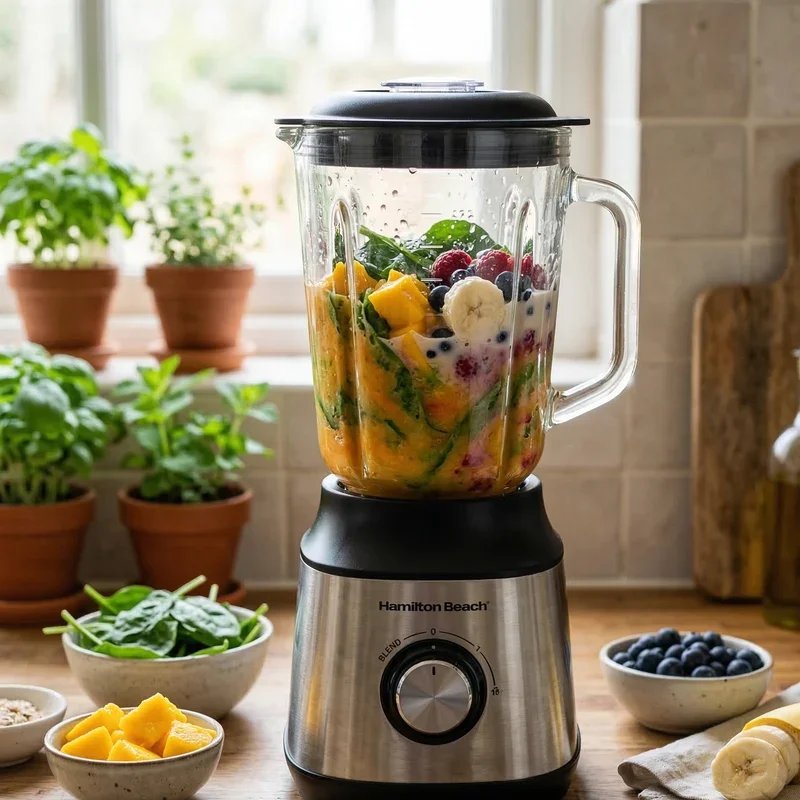
Making warm smoothies, hot chocolate, or heated coffee drinks requires awareness of temperature limits. Many blender jars, especially plastic ones, have maximum temperature ratings that boiling liquids easily exceed. Glass containers handle heat better but still face pressure concerns when sealed. Consider whether your beverage truly needs blending while hot, or if you could blend ingredients first then heat afterward. For drinks requiring hot blending, use wide-mouth containers that allow steam escape more readily during processing.
Essential Safety Precautions
Following these guidelines dramatically reduces risks associated with blending hot foods.
Let It Cool First
The simplest safety measure involves patience, something cooks sometimes lack when hungry family members are waiting. Allowing hot liquids to cool for at least five to ten minutes before blending significantly reduces steam production and pressure risks. You don't need cold food, just not boiling. Testing temperature by touching the container exterior gives you useful information. If it's too hot to hold comfortably, it's too hot to blend safely. This brief cooling period prevents most blending accidents from ever occurring.
Never Fill Completely
Half-full is the maximum safe level when blending anything hot. That empty space above your liquid provides crucial room for steam expansion and pressure dissipation. Overfilling eliminates this safety buffer and virtually guarantees problems. Even experienced chefs who blend hot items regularly never exceed this halfway mark. Multiple smaller batches take more time but keep you safe throughout the entire process. Rushing to finish faster by overfilling simply isn't worth the risk involved.
Use the Vent Opening
Most blender lids feature removable center caps designed precisely for venting during hot blending operations. Pop out this center piece and cover the opening with a folded kitchen towel pressed firmly over the hole. Your hand applies light downward pressure on the towel while the blender operates. This setup allows steam escape while preventing hot liquid from spraying upward. The towel catches any small splatters while maintaining your control over the blender lid throughout operation.
Start Low and Slow
Beginning at the lowest speed setting gives you control and prevents immediate pressure spikes. That sudden high-speed whirring creates instantaneous turbulence that releases all trapped steam simultaneously. Gradual acceleration allows pressure to build and release in manageable increments instead. Pulse the blender first before running it continuously. This pulsing approach lets you assess the situation between bursts. Once you've confirmed everything remains stable, you can gradually increase speed toward your desired setting.
Equipment Considerations
Your choice of blending equipment affects both safety and results when processing hot foods.
Blender Types and Hot Food Capability
Not all blenders handle hot foods equally well or safely. High-powered blenders from premium brands often feature specifically designed hot blending capabilities. Standard kitchen blenders may have temperature limitations that manufacturer documentation specifies. Immersion blenders offer safer alternatives for many hot blending tasks. Check your owner's manual for specific guidance about your particular appliance before attempting any hot food processing to understand its limitations.
Immersion Blenders as Safer Alternatives
Hand-held immersion blenders, sometimes called stick blenders, eliminate many risks associated with traditional blender jars entirely. You blend directly in your cooking pot without transferring hot liquid anywhere. No sealed container means no pressure buildup concerns. No pouring means no spillage risks. These versatile tools handle most soup and sauce blending tasks with significantly reduced danger. The trade-off involves slightly less smooth results compared to high-powered jar blenders, but the safety improvement often outweighs textural perfection.
Glass Versus Plastic Containers
Glass blender jars handle temperature better than plastic alternatives but weigh more and break if dropped. Plastic containers may warp, crack, or release chemicals when exposed to extreme heat beyond their design specifications. Quality polycarbonate containers resist heat better than cheaper plastics typically found in budget blenders. Whatever material your blender uses, never subject it to thermal shock by adding extremely hot liquid to a very cold container. Allow both the liquid and container to reach similar temperatures gradually.
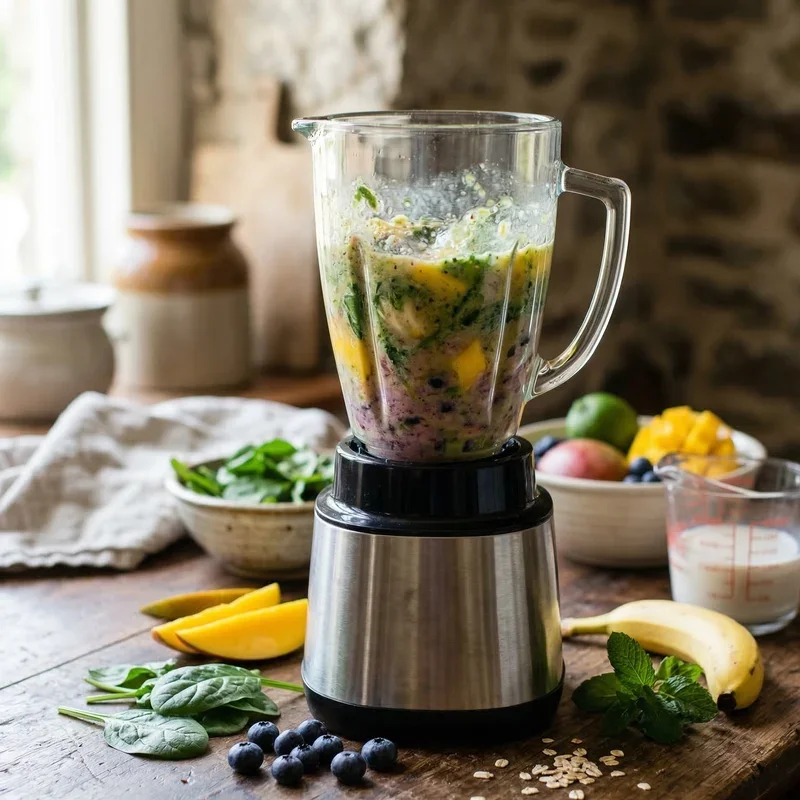
Can You Blend Hot Food? Safety Tips Explained Through Proper Technique
Mastering the mechanics of safe hot blending ensures consistent success.
The Towel Method Explained
Position your blender on a stable, flat surface away from counter edges. Remove the center cap from your blender lid. Fold a clean kitchen towel into quarters, creating a thick pad. Place the lid on the blender jar, pressing the folded towel firmly over the vent opening. Keep one hand pressing down on the towel throughout blending. This hand applies constant downward pressure preventing the lid from lifting. Your other hand operates the controls, starting slowly and gradually increasing speed.
The Batch Approach
When dealing with large quantities of hot food, working in multiple smaller batches protects you while eventually achieving your goal. Transfer small amounts to the blender, process safely, then pour finished product into a separate container. Repeat until everything is blended to your satisfaction. This approach takes longer but eliminates the overfilling danger that causes most blending accidents. Think of it as an investment in safety rather than an inconvenience to endure impatiently.
Steam Management During Processing
Watch your blender's vent area throughout operation for concerning steam buildup. If you notice excessive pressure or steam seemingly struggling to escape, stop immediately and allow things to settle. Add additional cooling time before attempting again. Listen for unusual sounds that might indicate internal pressure problems. Whistling, excessive gurgling, or any sounds suggesting the lid is lifting warrant immediate attention. Trust your instincts if something seems wrong during the process.
What to Do If Things Go Wrong
Despite best precautions, accidents sometimes happen. Knowing proper response helps minimize harm.
Dealing with Burns
Hot liquid burns require immediate first aid attention. Run cool, not cold, water over affected areas for at least ten minutes. Don't apply ice directly, which can damage already injured tissue further. Remove any clothing or jewelry near the burn before swelling begins. Cover with clean, dry bandage material loosely. Seek medical attention for burns larger than three inches, burns on face, hands, or joints, or burns that blister significantly.
Cleanup Safety
After a blending explosion, resist the urge to immediately start cleaning hot liquid from surfaces. Hot soup on counters, floors, and walls remains dangerous until it cools. Warn others in the household to stay away from the area. Allow sufficient cooling time before attempting any cleanup. Use appropriate protective gear including thick gloves and long sleeves when wiping up hot residue.
Best Practices for Consistent Success
Developing good habits ensures every hot blending session proceeds safely.
Routine Safety Checks
Before each hot blending session, verify your equipment is in proper working condition. Check that lids fit securely without cracks or warping. Confirm center caps and vents operate correctly. Ensure the blender jar sits properly on the base without wobbling. Test that controls respond appropriately before adding any hot contents. This quick inspection takes seconds but catches potential problems before they cause accidents.
Alternative Methods to Consider
Sometimes avoiding hot blending entirely makes more sense than managing its risks carefully. Allow foods to cool completely before blending, then reheat afterward if needed. Use immersion blenders whenever practical for their safety advantages. Consider whether chunky texture might actually be preferable to silky smooth. Some recipes specifically call for room-temperature blending followed by gentle reheating. Explore whether these alternatives might serve your purposes just as well.
Temperature Guidelines
Specific temperature awareness helps you make informed blending decisions.
Safe Temperature Ranges
Most standard blenders safely handle liquids below 120 degrees Fahrenheit without significant concern. Between 120 and 180 degrees requires careful technique with all safety precautions fully employed. Above 180 degrees creates genuinely dangerous conditions that even proper technique struggles to manage safely. When in doubt, wait longer for cooling. Digital kitchen thermometers remove guesswork by providing precise temperature readings before you begin processing.
Testing Before Blending
Touch the outside of your pot or container to gauge approximate temperature. If it's uncomfortable to hold, the contents are too hot for safe blending. Alternatively, insert a thermometer directly into the liquid for accurate readings. Steam rising vigorously indicates temperatures above 212 degrees, meaning you should definitely wait before proceeding further.
Conclusion
Understanding can you blend hot food safely comes down to respecting basic physics, following proper technique, and never rushing the process. Allow adequate cooling time, never overfill your blender, always vent the lid properly, and start at low speeds before gradually increasing. Consider immersion blenders as safer alternatives whenever practical for your cooking needs. These straightforward precautions transform hot blending from a potentially dangerous activity into a routine kitchen task you can perform confidently every time.
Read next: 15 Carnivore Dinner Ideas for Meat-Lovers Only
Frequently Asked Questions
1.What temperature is too hot for blending safely?
Liquids above 180 degrees Fahrenheit create dangerous conditions that even proper technique struggles to manage.
2.Can I blend boiling soup straight from the stove?
Never blend boiling liquids directly. Allow at least five to ten minutes cooling time before blending.
3.Why does my blender lid pop off when blending hot food?
Steam pressure builds inside the sealed container and forces the lid off explosively without proper venting.
4.Is an immersion blender safer for hot foods than regular blenders?
Yes, immersion blenders eliminate sealed container pressure risks by blending directly in open cooking vessels.
5.How full should I fill my blender with hot liquid?
Never exceed half full when blending hot liquids to allow adequate space for steam expansion.
Stay up to date with our latest ideas!