How to Make Purple Food Coloring Using Simple Ingredients
Learn how to make purple food coloring using simple ingredients from your kitchen. Natural, vibrant, and perfect for all your baking needs.

Well, here's the thing about store-bought food coloring. It's packed with artificial dyes and chemicals that honestly make a lot of folks uncomfortable these days. And let's face it, when you're whipping up a batch of cupcakes for your kid's birthday party or trying to create that stunning lavender frosting for a special occasion, you want something that looks gorgeous without all those questionable ingredients.That's where learning how to make purple food coloring using simple ingredients comes into play. It's easier than you might think, and the results can be absolutely stunning. Plus, there's something incredibly satisfying about creating your own natural dyes from scratch.
Why Choose Natural Purple Food Coloring Over Commercial Options
So why bother making your own when you can just grab a bottle from the store? Great question. First off, commercial food dyes have been under scrutiny for years now. Some studies have suggested links between artificial colorants and various health concerns, particularly in children. While the jury's still out on some of these claims, many parents and health-conscious bakers prefer to err on the side of caution.
Beyond the health angle, homemade natural food coloring often delivers flavors that complement your recipes beautifully. When you use blueberries or purple cabbage to create your dye, you're adding subtle taste notes that can actually enhance your finished product. That's something you'll never get from synthetic alternatives.
There's also the environmental factor to consider. Making your own food coloring reduces packaging waste and eliminates the need for industrial production processes. It's a small step, sure, but every little bit counts when you're trying to live a bit more sustainably.
Understanding the Science Behind Purple Color Creation
Before we dive into the how-to, let's chat a bit about color theory. Purple sits on the color spectrum between red and blue, which means you've got two main approaches to creating it naturally. You can either find ingredients that are naturally purple, or you can mix red and blue colorants together to achieve the shade you want.
The pigments responsible for purple and blue hues in many fruits and vegetables are called anthocyanins. These water-soluble compounds are found in everything from blueberries to red cabbage, and they're pretty fascinating because they can actually change color depending on the pH level of whatever they're added to. In acidic environments, anthocyanins tend to appear more red or pink, while alkaline conditions push them toward blue and green. Neutral pH gives you that lovely purple sweet spot.
This pH sensitivity is something you'll want to keep in mind as you experiment with your natural colorings. The same dye might look completely different in a lemon cake versus a chocolate one, and that's all because of chemistry doing its thing.

The Best Ingredients for Making Purple Food Coloring at Home
Now we're getting to the good stuff. Here are the most effective natural sources for creating beautiful purple shades in your kitchen.
Purple cabbage stands out as probably the most versatile option available. When you boil it down, you get a deep blue-purple liquid that can be adjusted with a touch of acid or base to achieve exactly the shade you're after. It's cheap, readily available, and produces a remarkably vibrant color.
Blueberries are another fantastic choice, especially if you want a warmer purple with hints of red. Fresh or frozen, they release their pigment easily when heated, and the resulting color is absolutely gorgeous in frostings and glazes.
Blackberries offer a similar effect to blueberries but tend to produce slightly darker, more intense shades. They're perfect when you want a rich, dramatic purple that really pops.
Concord grapes, if you can find them, create stunning purple dyes. Their skins are loaded with anthocyanins, and the flavor they add is actually quite pleasant in many recipes.
Purple sweet potatoes have gained popularity recently, and for good reason. They produce incredibly stable colors that hold up well during baking, which isn't always the case with other natural dyes.
Butterfly pea flowers might sound exotic, but they're becoming easier to find and create the most mesmerizing blue that can be shifted toward purple with a bit of lemon juice.
How to Make Purple Food Coloring Using Simple Ingredients from Your Pantry
Let's walk through the actual process. Don't worry, it's simpler than it sounds, and you'll get the hang of it quickly.
For the purple cabbage method, start by chopping about a quarter of a medium cabbage into rough pieces. Pop them into a pot with just enough water to cover, then bring everything to a boil. Reduce the heat and let it simmer for about thirty minutes until the liquid turns a deep blue-purple color. Strain out the cabbage pieces and let your dye cool completely. If you want to shift the color toward a truer purple or even pink, add a tiny bit of lemon juice or vinegar. A pinch of baking soda will push it toward blue instead.
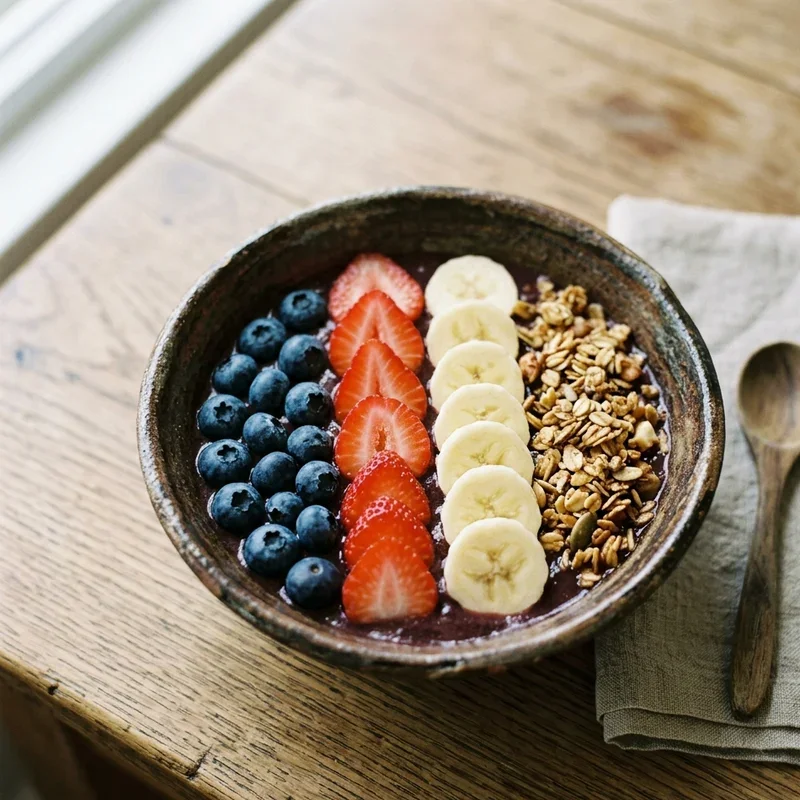
The blueberry method works a bit differently. Take about a cup of fresh or frozen blueberries and simmer them in half a cup of water for fifteen to twenty minutes. As they cook, mash them up with a fork or potato masher to release more color. Once you've got a dark, concentrated liquid, strain it through a fine-mesh sieve or cheesecloth to remove all the pulp and seeds. What you're left with is a beautiful purple colorant ready to use.
For the combination approach, make separate red and blue dyes, then mix them together. Red beet juice and blueberry extract combined in different ratios will give you control over exactly what shade of purple you end up with.

Tips for Achieving the Perfect Shade Every Time
Getting consistent results with natural food coloring takes a bit of practice, but these tips will help you along the way.
Always start with less than you think you need. Natural dyes can be surprisingly potent, and you can always add more if the color isn't strong enough. Going overboard from the start often leads to off-flavors or overly dark colors that mask your food rather than enhance it.
Consider the base color of whatever you're dyeing. Adding purple to a yellow cake batter won't give you the same result as adding it to a white batter. The underlying colors mix and can create unexpected results.
Temperature matters more than you might expect. Heat can intensify some natural colors while causing others to fade or change. Room temperature applications generally give you the most control and predictability.
Storage is something people often overlook. Most homemade food colorings will last about a week in the refrigerator, but they do degrade over time. For best results, make small batches as needed rather than trying to keep large quantities on hand.
Common Mistakes to Avoid When Creating Natural Purple Dye
Even seasoned bakers make these errors sometimes, so don't feel bad if you stumble along the way.
Using too much water during the extraction process dilutes your color significantly. You want concentrated pigment, so keep the liquid to a minimum.
Forgetting about pH interactions leads to some real surprises. That gorgeous purple in your bowl might turn green or pink once it hits your batter, depending on the other ingredients present. Test a small amount first whenever possible.
Expecting the same vibrancy as artificial dyes sets you up for disappointment. Natural colors are beautiful in their own right, but they're typically softer and more muted than their synthetic counterparts. Embrace the natural aesthetic rather than fighting against it.
Creative Ways to Use Your Homemade Purple Food Coloring
Once you've mastered how to make purple food coloring using simple ingredients, the possibilities really open up.
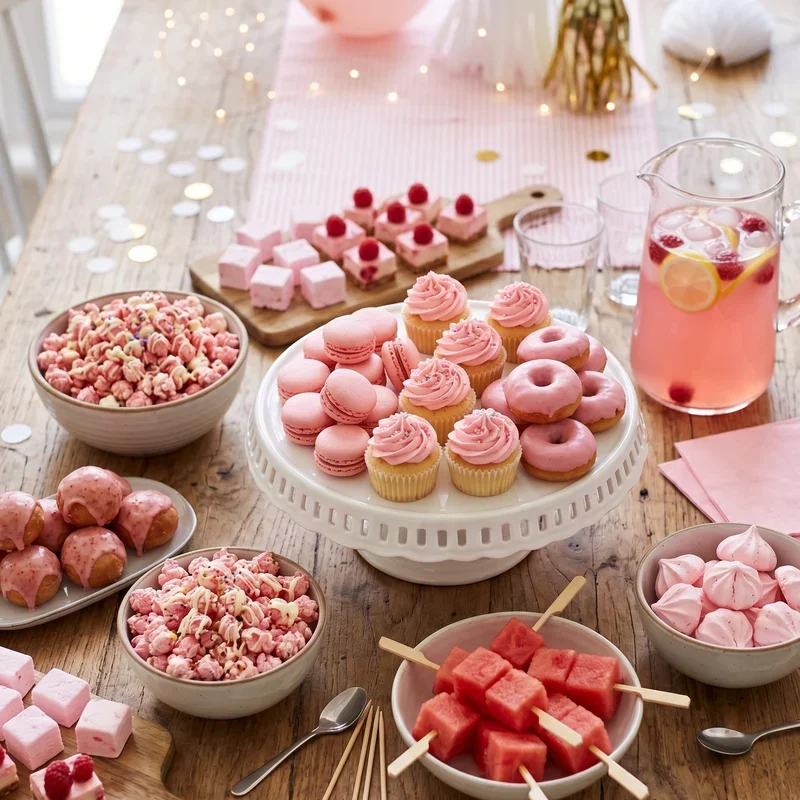
Frostings and icings take on a lovely lavender hue that looks stunning on cakes and cupcakes. The color tends to remain stable once mixed into buttercream or cream cheese frosting.
Royal icing for cookies accepts natural dyes beautifully, though you might notice some color shift as it dries. This can actually create interesting effects if you embrace it.
Homemade pasta turns an elegant shade of purple when you add concentrated cabbage juice to your dough. It's a real conversation starter at dinner parties.
Pancake and waffle batters become extra fun for kids when they're tinted purple. Add some blueberry sauce on top, and you've got a breakfast that looks almost too pretty to eat.
Cocktails and mocktails get an upgrade with butterfly pea flower dye, which famously changes color when you add citrus. It's basically edible magic in a glass.

Storing Your Natural Purple Food Coloring Properly
Proper storage ensures your hard work doesn't go to waste. Pour your cooled dye into a clean glass jar with a tight-fitting lid. Plastic containers can absorb and retain colors over time, so glass is definitely the way to go.
Keep your colorant in the refrigerator, where it should stay good for five to seven days. Some natural dyes freeze well too, so consider pouring them into ice cube trays for longer storage. Each cube becomes a pre-measured portion ready to thaw and use whenever inspiration strikes.
Label everything clearly with the date and what's inside. Trust me, blue and purple liquids can look pretty similar after a few days, and you don't want to mix up your cabbage dye with your blueberry one.
Conclusion
Making your own purple food coloring at home really opens up a world of creative possibilities while keeping things natural and wholesome. With ingredients like purple cabbage, blueberries, and blackberries readily available, there's no reason to rely on artificial dyes anymore. The process takes just a bit of experimentation, but once you've got the technique down, you'll wonder why you ever bought the bottled stuff. Your baked goods will thank you for the upgrade.
Read next: 15 Food Truck Design Ideas to Attract More Customers
Frequently Asked Questions
Q1. What is the easiest method for making purple food coloring at home?
A: Purple cabbage simmered in water creates the easiest and most reliable homemade purple dye.
Q2. How long does homemade purple food coloring last in the refrigerator?
A: Properly stored natural purple food coloring typically stays fresh for five to seven days refrigerated.
Q3. Can I freeze natural purple food coloring for later use?
A: Yes, freezing in ice cube trays works perfectly for extending shelf life several months.
Q4. Why did my purple food coloring turn blue or pink unexpectedly?
A: pH levels in your recipe caused the anthocyanin pigments to shift toward different colors.
Q5. Will natural purple food coloring change the taste of my baked goods?
A: Most natural dyes add subtle flavors that usually complement rather than overpower your recipes.
Stay up to date with our latest ideas!