Is Thai Food Spicy? What to Expect When Ordering
Wondering is Thai food spicy? Discover heat levels, mild options, and ordering tips to enjoy authentic Thai cuisine your way.
So you're standing outside a Thai restaurant, stomach growling, but there's one nagging question bouncing around your head. Is Thai food spicy? What to expect when ordering? Well, you're definitely not alone in this culinary conundrum. Millions of food lovers around the world find themselves in the exact same boat, curious about diving into Thailand's vibrant cuisine but worried about setting their mouths on fire. Here's the thing. Thai food has earned quite a reputation for bringing the heat, and honestly, that reputation isn't entirely undeserved. However, there's so much more to this incredible cuisine than just spiciness. From sweet and tangy to savory and mild, Thai cooking offers a symphony of flavors that'll make your taste buds dance with joy.
Understanding the Spice Culture in Thai Cuisine
Thai cuisine and chili peppers go together like peanut butter and jelly. They're practically inseparable. But here's something that might surprise you. Chilies aren't even native to Thailand. Portuguese traders introduced them back in the 16th century, and boy, did Thai cooks run with it. They embraced these fiery little pods and made them an integral part of their culinary identity.
The Thai approach to spiciness differs quite a bit from what you might find in other cuisines. It's not just about making food hot for the sake of it. Instead, spice serves as one element in a carefully balanced flavor profile. Thai dishes aim to hit multiple taste sensations simultaneously, including sweet, sour, salty, bitter, and yes, spicy. When everything comes together harmoniously, the heat actually enhances the other flavors rather than overpowering them.
Now, what exactly makes Thai food spicy? The main culprits are bird's eye chilies, also called Thai chilies. These tiny peppers pack a serious punch, measuring anywhere from 50,000 to 100,000 Scoville units. To put that in perspective, a jalapeno clocks in at only 2,500 to 8,000 units. So yeah, we're talking about some seriously intense heat in a very small package.

Common Thai Dishes and Their Typical Heat Levels
Let's break down some popular Thai dishes and what you can generally expect in terms of spiciness. Keep in mind that heat levels can vary significantly between restaurants and regions, but this should give you a decent starting point.
Dishes That Typically Bring the Heat
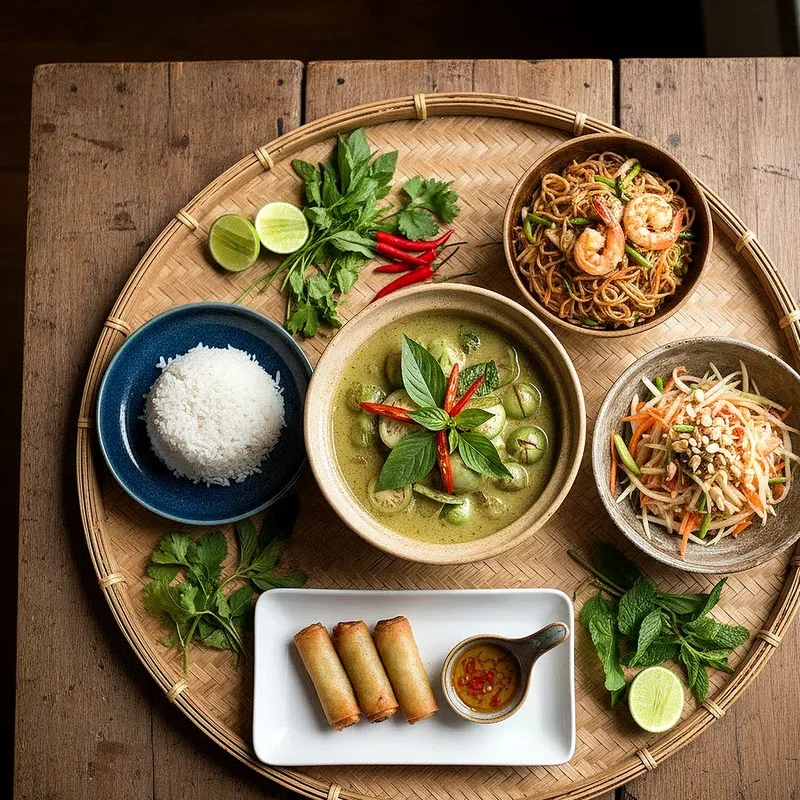
Tom Yum soup stands out as one of Thailand's most famous exports, and it definitely lives up to its spicy reputation. This hot and sour soup features a broth infused with chilies, lemongrass, and galangal. Most versions will make you sweat a little, though you can always request it milder.
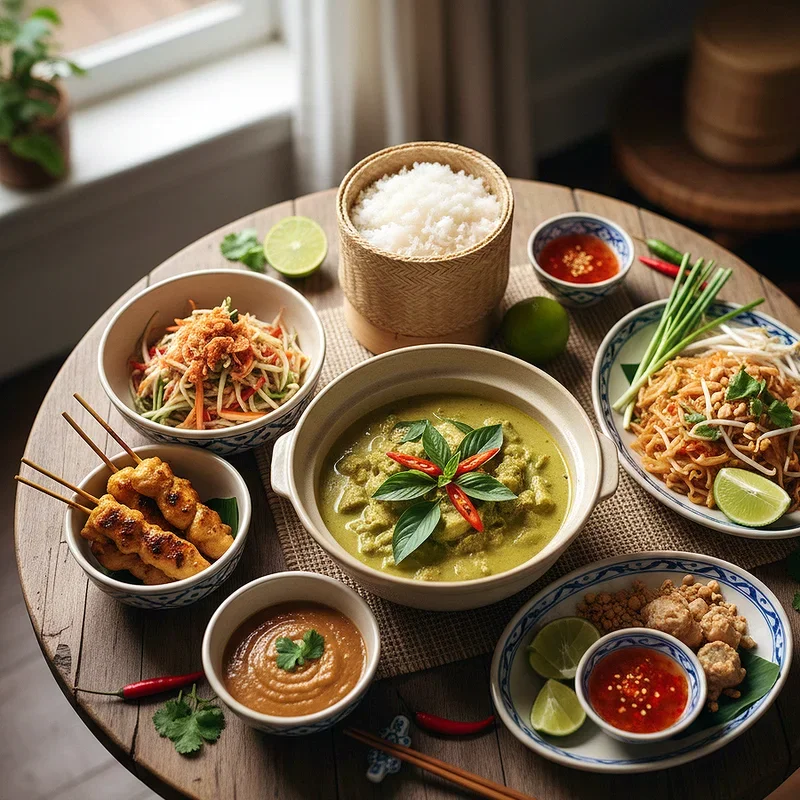
Green curry, despite its innocent sounding name, tends to be the spiciest of the Thai curries. The green color comes from fresh green chilies, and traditional recipes don't hold back. Red curry falls somewhere in the middle of the heat spectrum, while yellow curry and Massaman curry typically offer gentler options for spice sensitive diners.
Papaya salad, or som tam, can be absolutely volcanic. Street vendors in Thailand often add a handful of bird's eye chilies that would send most Western palates running for cover. However, restaurant versions abroad tend to be more restrained.
Milder Options for Cautious Diners
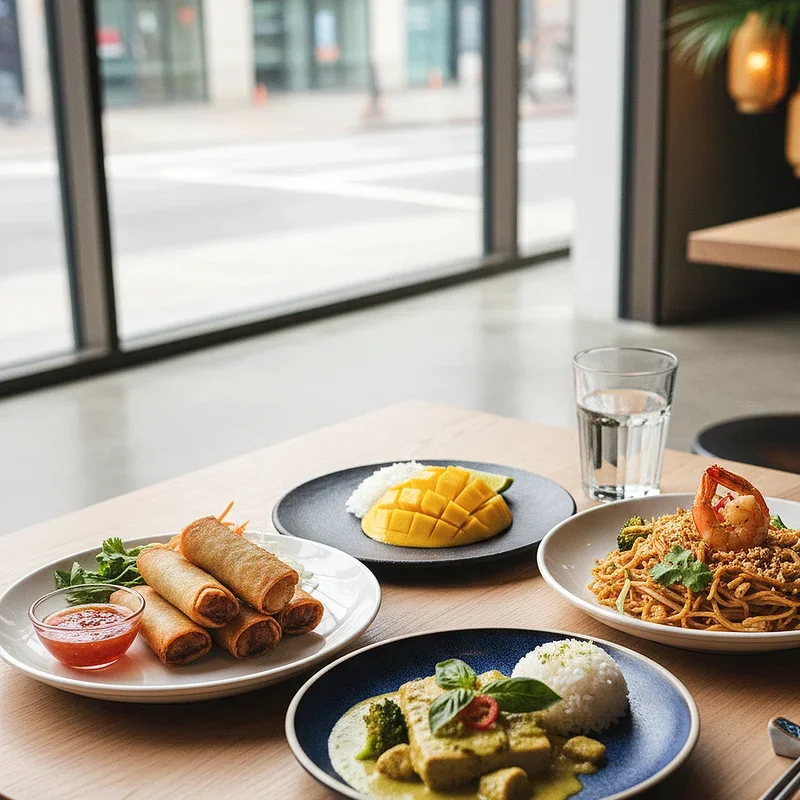
Pad Thai represents one of the safest bets for those worried about is Thai food spicy. What to expect when ordering this iconic noodle dish? Generally speaking, it's sweet and tangy rather than hot. Most restaurants serve it with chili flakes on the side, letting you control the heat completely.
Satay skewers with peanut sauce offer another mild and incredibly delicious option. The grilled meat picks up subtle flavors from the marinade, and the accompanying peanut sauce brings sweetness and richness without significant spice.
Spring rolls, both fresh and fried varieties, typically contain no spicy elements whatsoever. They're stuffed with vegetables, sometimes shrimp or pork, and served with sweet dipping sauces.
Pineapple fried rice delivers tropical sweetness with minimal heat. The fruit's natural sugars dominate the flavor profile, making it an excellent choice for families with kids or anyone seeking a break from spicier fare.
How to Order Thai Food at Your Preferred Spice Level
Here's where things get practical. Walking into a Thai restaurant armed with the right knowledge can transform your dining experience from potentially painful to absolutely delightful. Most Thai establishments, especially those catering to diverse clientele, have become quite accustomed to adjusting spice levels upon request.
The Spice Level Scale
Many restaurants use a numbered system, typically ranging from one to five or one to ten. A one or two usually means mild with just a hint of warmth. Three falls into medium territory where you'll definitely notice the spice but it won't overwhelm. Four and five venture into hot and very hot territory, recommended only for those who genuinely enjoy intense heat.
Don't be shy about asking questions. Servers at Thai restaurants deal with spice level inquiries all day long. They'd much rather you ask upfront than send a dish back because it's too hot or too bland for your liking.
Key Phrases That Help
Simply saying "not spicy please" or "mild" works perfectly well at most establishments. If you want to be more specific, you can say "no chilies" to eliminate the heat source entirely. Some restaurants might ask if you want Thai spicy or American spicy, and trust me, you want to choose American spicy unless you've got a proven track record with extreme heat.
For those seeking authentic levels of spiciness, asking for "Thai hot" or "very spicy" should communicate your desires. Just be prepared because when they bring the heat, they really bring it.
Regional Differences in Thai Spiciness
Not all Thai food shares the same relationship with spice. Different regions of Thailand have developed distinct culinary traditions, and understanding these variations can help you make better choices when ordering.
Northeastern Thailand (Isaan)
This region produces some of Thailand's spiciest food. Isaan cuisine features dishes like laab (minced meat salad) and som tam that can reach eye watering levels of heat. If you see Isaan or northeastern style on a menu, proceed with appropriate caution.
Southern Thailand
Southern Thai cooking also tends toward the spicier end of the spectrum. The curries from this region often incorporate more chilies than their central Thai counterparts. The famous yellow curry actually originates from southern Thailand, though restaurant versions have often been toned down considerably.
Central Thailand
Bangkok and the surrounding central region offer what most people consider standard Thai cuisine. The balance of flavors tends to be more even here, with spice playing an important but not dominant role. Many of the dishes Westerners know best, including Pad Thai and various stir fries, come from this culinary tradition.
Northern Thailand
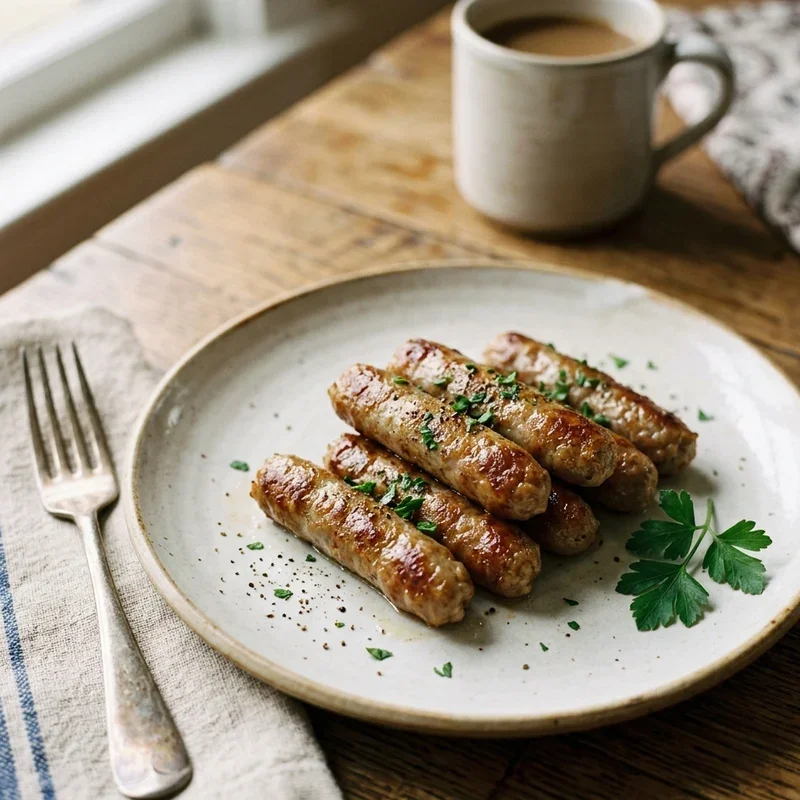
Good news for spice sensitive folks. Northern Thai cuisine generally features milder preparations. Dishes like khao soi (curry noodle soup) and sai oua (northern Thai sausage) bring complexity and depth without relying heavily on chilies. The flavors lean more toward earthy and herbaceous rather than fiery.
Tips for Managing Heat When It Catches You Off Guard
Sometimes despite your best efforts, a dish arrives hotter than anticipated. Don't panic. There are tried and true methods for cooling down your burning mouth.
Reach for dairy products if they're available. Milk, yogurt, or even ice cream contain casein, a protein that helps break down capsaicin, the compound responsible for chili heat. Water, unfortunately, just spreads the burning sensation around.
Rice serves as an excellent heat absorber. Take a big mouthful of plain jasmine rice and let it sit on your tongue before chewing. The starch helps dilute the capsaicin and provides relief.
Sugar can also help neutralize spiciness. This explains why Thai cuisine often balances hot dishes with sweet elements. If your mouth is on fire, a spoonful of sugar or a sweet dessert might provide the rescue you need.
Avoid drinking alcohol when dealing with spicy food. Contrary to what some believe, beer and other alcoholic beverages actually amplify the burning sensation rather than soothing it.
Building Your Spice Tolerance Over Time
Here's an encouraging thought for those who love the flavor of Thai food but struggle with the heat. Spice tolerance can absolutely be developed over time. Your taste buds and pain receptors can actually become desensitized to capsaicin with regular exposure.
Start with mild dishes and gradually work your way up. Order that green curry at level two for a few visits, then bump it up to three. Before you know it, you might find yourself handling heat levels that once seemed impossible.
Eating spicy food regularly, even in small amounts, trains your body to handle capsaicin more efficiently. Many people who claim they can't eat spicy food simply haven't given their palates enough opportunity to adapt.
The Health Benefits of Spicy Thai Food
Beyond the flavor experience, spicy Thai dishes offer some genuine health benefits worth mentioning. Capsaicin has been linked to increased metabolism and may help with weight management. It can also trigger the release of endorphins, those feel good chemicals that create a sense of wellbeing.
Many of the herbs and spices used in Thai cooking, including ginger, galangal, lemongrass, and turmeric, possess anti inflammatory properties. These ingredients have been used in traditional medicine for centuries and continue to be studied for their potential health benefits.
The vegetables and herbs prominent in Thai cuisine provide essential vitamins, minerals, and antioxidants. When you're enjoying that colorful stir fry or fragrant curry, you're actually nourishing your body with good stuff.
Conclusion
Understanding is Thai food spicy and what to expect when ordering really comes down to knowledge and communication. Thai cuisine offers an incredible range of flavors and heat levels, meaning there's something perfect for everyone. Don't let fear of spiciness keep you from exploring this amazing culinary tradition. Armed with the information from this guide, you can confidently navigate any Thai menu and enjoy meals tailored exactly to your preferences.
Read next: 15 Food Truck Design Ideas to Attract More Customers
Frequently Asked Questions
Q1. Is all Thai food extremely spicy?
A: No, Thai cuisine includes many mild dishes alongside spicier options for all preferences.
Q2. Can I ask Thai restaurants to reduce the spice level?
A: Absolutely, most Thai restaurants happily adjust spice levels according to customer requests.
Q3. What is the mildest Thai dish to order?
A: Pad Thai, satay skewers, and spring rolls are typically mild and beginner friendly.
Q4. Which Thai curry is the least spicy option?
A: Massaman curry and yellow curry are generally the mildest Thai curry choices available.
Q5. Does drinking water help cool down spicy Thai food?
A: Water spreads capsaicin around, so dairy products or rice work much better instead.
Stay up to date with our latest ideas!